
The All India Muslim Personal Law Board (AIMPLB) has raised alarms over growing discrimination and social marginalisation of Muslims under the current political climate in India. The organisation plans to initiate a nationwide campaign to address these escalating issues and advocate for the rights of the Muslim community.
Increased Discrimination and Marginalisation
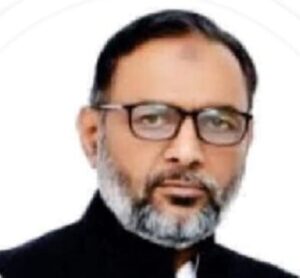
During a recent press conference held in New Delhi, AIMPLB spokesperson Dr. S. Q. R. Ilyas outlined the board’s profound concerns regarding what it describes as systematic discrimination and social exclusion facing Muslims across various regions in India. The Executive Committee of AIMPLB concluded that crucial constitutional rights, religious freedoms, and social harmony are under increasing threat. This assessment follows a detailed review of recent developments impacting the Muslim community, including incidents of mob violence and targeted destruction of religious sites.
Key Issues Highlighted by AIMPLB
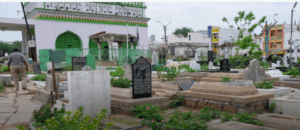
The AIMPLB’s press conference underscored several pressing issues contributing to an atmosphere of insecurity among Muslims. Among these are incidents of mob violence and the demolition of mosques and madrasas, which the board views as part of a broader pattern of socio-political marginalisation. Dr. Ilyas emphasized that these incidents are not isolated but part of a systemic issue facing the community, which has seen a noticeable increase in attacks on lives, property, and places of worship.
Furthermore, the AIMPLB criticized the authorities’ inadequate responses to hate speech and communal rhetoric, calling for stronger measures to protect constitutional rights and ensure justice for the affected communities. The board plans to publish a comprehensive document analyzing the deteriorating conditions for Muslims and to engage with civil society and legal experts on these issues.
Legal Challenges and Future Initiatives
Significantly, the AIMPLB has announced its intention to challenge controversial legislative measures, including proposed changes around the singing of ‘Vande Mataram’ in schools and the implementation of a Uniform Civil Code (UCC). The board views these initiatives as detrimental to religious freedoms, suggesting that they infringe upon the constitutional guarantees established for diverse communities in India. During the press conference, the board also highlighted legal disputes, such as the ongoing issues concerning the Kamal Maula Mosque/Bhojshala site in Madhya Pradesh, pledging support for legal actions to uphold their rights.
To amplify its efforts, the AIMPLB has indicated plans to create an action committee to oversee coordination for outreach and future legal initiatives, collaborating with justice-oriented and peace-based groups across the country. The recent meeting was chaired by AIMPLB President Maulana Khalid Saifullah Rahmani and attended by leading figures from various sectors, showcasing a united front in addressing these alarming trends.
Why It Matters
The rising concerns articulated by the AIMPLB highlight significant socio-political tensions in India. As the Muslim community increasingly faces discrimination, questions around constitutional rights and social justice become more pressing, impacting the overall stability of Indian society. This trajectory may lead to severe implications for communal harmony, economic participation, and political representation of Muslims in India, creating challenges in fostering an inclusive society. The political landscape could influence global perceptions of India as a secular democracy, raising critical discussions in international forums about human rights, communal relations, and the effectiveness of governmental measures in safeguarding minority rights.
Frequently Asked Questions
What is the AIMPLB’s primary concern?
The AIMPLB is primarily concerned about increasing discrimination and social marginalisation of Muslims in India, particularly focusing on attacks, violence, and the undermining of constitutional rights.
What actions is AIMPLB taking to address these issues?
The AIMPLB intends to launch a nationwide campaign, publish a comprehensive report on the conditions of Muslims, and engage with civil society and legal experts to advocate for their rights.
How does AIMPLB view the Uniform Civil Code?
The AIMPLB opposes the implementation of the Uniform Civil Code, asserting that it infringes on religious autonomy and the constitutional rights of diverse communities in India.
What role does hate speech play in AIMPLB’s concerns?
The AIMPLB has expressed apprehension regarding inadequate institutional responses to hate speech, claiming that such rhetoric contributes to an increasingly polarised public discourse and threatens societal harmony.