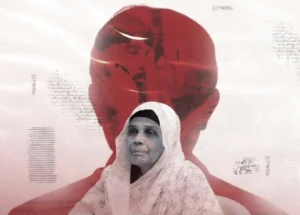
The enduring wait of a mother for her imprisoned son symbolizes the distress and social anguish faced by families within marginalized communities in India, particularly among Muslims. For Beeyumma-Ji, an elderly woman from Kerala, this wait has spanned 17 painful years, highlighting themes of hope, despair, and the inequalities entrenched in the Indian justice system.
A Mother’s Agonizing Wait
Beeyumma-Ji, bedridden and increasingly frail, has spent nearly two decades awaiting the return of her son, Zakariya, who has been an undertrial prisoner for 17 years. This prolonged incarceration illustrates the bureaucratic slowdowns and judicial inefficiencies prevalent in the Indian legal system. Even convicts generally do not languish in prison for such an extended period without conclusive trials. The emotional toll on Beeyumma-Ji is exacerbated by her deteriorating health, yet her hope remains strong. Each day, she gazes at the door, convinced it will swing open to reveal her son.
The Broader Impact of Social Exclusion
This case is not an isolated incident but rather a reflection of systemic issues affecting Muslim communities in India, particularly under the policies promoted by the Sangh Parivar and the BJP government. The societal exclusion resonates through various spheres, including legal, economic, and social realms. Encouraged by a prevailing political climate, discrimination manifests not just through delayed justice but also through economic ostracism, where individuals are marginalized and rendered voiceless. This leads to a broader agenda of social isolation, keeping entire communities underprepared to challenge their circumstances.
A Question of Justice
Beeyumma-Ji’s unwavering faith that justice will eventually prevail speaks to the resilience of countless families suffering similar fates. Families waiting for their loved ones, often without access to justice or sufficient support, are left in a limbo of anguish. The lack of timely hearings and the endless postponements in court cases create an unpredictable environment that pits these families against the institutional machinery designed to protect them. A significant issue arises when even fair trials become unlikely for marginalized communities, raising questions about legal impartiality and the accessibility of justice.
Why It Matters
The plight of individuals like Beeyumma-Ji serves to underline the broader issues of social justice and the risks faced by minority communities under the current government policies. The emotional and psychological toll of such endless waiting goes beyond individual cases, indicating a systematic erosion of trust in legal institutions and highlighting the need for reform. Addressing these grievances requires not only reforms in the judicial system but also a commitment to rectify social inequalities that persist in contemporary India. This situation calls for urgent discussions about human rights and the role of government systems in perpetuating or alleviating discrimination.
Frequently Asked Questions
What is the significance of Beeyumma-Ji’s story in the context of human rights in India?
Her story illustrates the emotional toll of caregiving in marginalized families and highlights systemic judicial issues within the Indian justice system that disproportionately affect minority communities.
How does this case reflect broader societal issues faced by Muslims in India?
It exemplifies social exclusion, discrimination, and economic ostracism experienced by Muslims, where legal claims often take years to resolve, leaving families in despair and uncertainty.
What reforms are necessary to support families like Beeyumma-Ji’s?
Reforms are required in the areas of judicial efficiency, public policy towards marginalized communities, and economic support systems that help families cope during extended periods of waiting for justice.
How can the community help families impacted by similar experiences?
Community awareness, advocacy for legal aid, and emotional support are vital to assist families affected by prolonged incarcerations and systemic injustice.