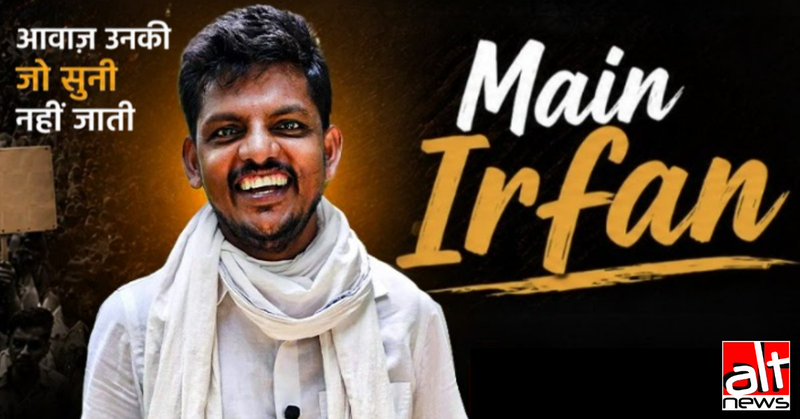

In a striking display of clarity and conviction, Mohammad Irfan—a young man with little formal education and a background of poverty—raises his voice for workers’ rights and government accountability. His compelling narrative highlights the struggles of marginalized individuals and calls for a more empathetic approach from the Indian government.
Who is Mohammad Irfan?
Mohammad Irfan’s story is one of resilience. Raised in a slum, he has had limited access to formal education and survives by selling ice. Despite his circumstances, Irfan has emerged as a vocal advocate for the rights of workers. His unique background allows him to articulate the everyday struggles faced by people like him, making his message resonate deeply with many. His assertive articulation during protests has captured attention, emphasizing that a dignified life is not just about basic sustenance but about having a voice in the political landscape.
Context of the Recent Protest
The backdrop of Irfan’s statements emerged during a recent protest led by the Cockroach Janata Party (CJP) at Delhi’s Jantar Mantar, where he became a standout figure. The protest aimed to highlight various issues concerning social justice and equality, focusing on the need for better governmental policies that directly benefit marginalized communities. Irfan’s passionate appeals have raised important questions about labor rights and the government’s role in safeguarding the interests of its citizens, positioning him as a key voice in this vital discourse.
Empowerment Through Articulation
One of the most noteworthy aspects of Irfan’s activism is his ability to convey complex issues in simple, relatable terms. His quotes challenge the status quo and urge the nation to embrace a broader perspective on life beyond mere survival. For instance, his call to action—“Bharpet kha lena hi jeevan nahi hai” (Living just for food is not life)—personalizes the struggle against poverty and highlights the need for a more comprehensive approach to social welfare. Such articulate expressions not only inspire others from his community but also serve to engage a wider audience in discussions about systemic inequalities.
Why This Matters
Mohammad Irfan’s story and his impassioned calls for change carry significant weight in the current political climate of India. As the country grapples with various socio-economic challenges—ranging from unemployment to inadequate worker protections—Irfan’s perspective sheds light on the urgent need for reform. His relentless advocacy pushes the boundaries of what it means to actively participate in a democratic society, especially for those traditionally marginalized. By amplifying voices like Irfan’s, there is potential for a broader societal shift towards inclusivity and accountability in governance.
Frequently Asked Questions
Who is Mohammad Irfan?
Mohammad Irfan is a young advocate for workers’ rights and government accountability, who grew up in a slum with limited formal education. He currently sells ice for a living.
What is the Cockroach Janata Party (CJP)?
The Cockroach Janata Party (CJP) is a protest group that focuses on social justice issues, organizing demonstrations to challenge governmental policies and advocate for the rights of marginalized communities in India.
What does Irfan mean by “Bharpet kha lena hi jeevan nahi hai”?
This phrase translates to “Living just for food is not life,” emphasizing that mere survival is insufficient; people need a dignified existence that includes rights, opportunities, and voice in decision-making processes.
Why is Irfan’s voice significant in today’s India?
As a representative of marginalized voices, Irfan highlights the ongoing struggles of many in India. His activism serves as a reminder of the social issues that must be addressed to create a more equitable society.