
Summary
A recent social media uproar has emerged regarding the trial of a 15-year-old girl accused of abusing Prime Minister Narendra Modi. Notably, misinformation has proliferated, including claims about the existence of an older sister, which have been debunked by various sources. This incident raises questions about the influence of online discourse in India and its implications for free speech and representation.
Background of the Incident
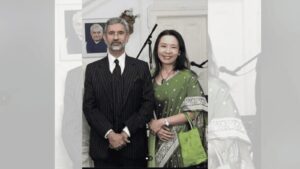
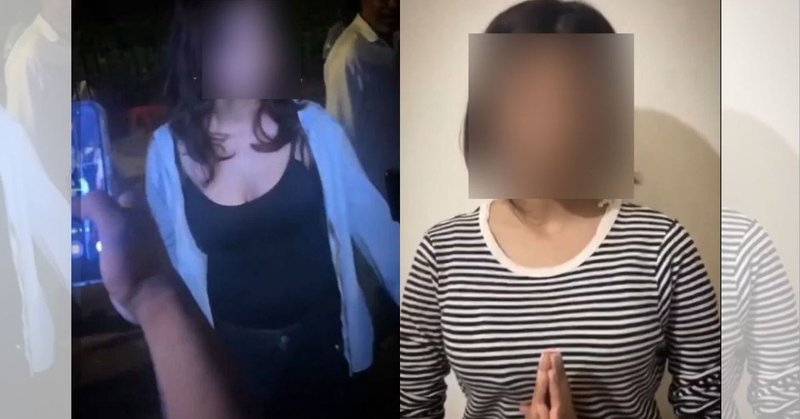
The case centers around a teenager who allegedly faced backlash for making derogatory comments about Prime Minister Modi on social media. Reports indicate that the uproar led to significant public outrage, resulting in actions taken against the minor. The situation escalated to the point where false narratives took root, including the creation of an AI-generated “elder sister” meant to bolster sympathy for the girl.
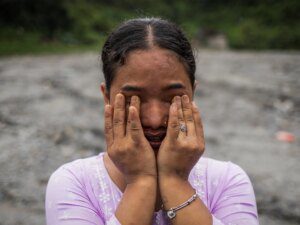
The mother of the 15-year-old, who became a widowed single parent in 2019, shared her ordeal, emphasizing that the teenager has only one sibling—a 12-year-old brother. The emotional distress caused by the public scrutiny has been compounded by their challenging family circumstances, making this an issue intertwined with personal tragedy.
Role of Social Media and Misinformation
This incident has highlighted the significant, sometimes harmful, role that social media plays in shaping public opinion. As noted by prominent journalist Shekhar Gupta, the online discourse surrounding this case has been rife with inaccuracies. Critics claim that algorithms and user interactions on platforms led to the rapid spread of misleading narratives, including the supposed existence of an older sister, which fueled the controversy further.
The rise of AI-generated content in social media is also a growing concern, as seen in how various users leveraged facial analysis technology to create fictitious personas to sway public opinion. Such trends pose a challenge for navigating the realms of truth and falsity, particularly in politically charged environments.
Impact on Freedom of Expression
This case brings to light urgent discussions about free speech in India. The backlash against the teenager for her statements reflects broader societal tensions and the risks of engaging in political conversations online. Many individuals may now hesitate to voice dissent due to fears of legal ramifications or social ostracization, stifling public discourse.
The incident underscores a pivotal moment in India’s political climate, where the government’s supporters can mobilize against critics with considerable force, often fueled by social media. This dynamic not only endangers individual freedom but may also lead to self-censorship among citizens wary of online retaliation.
Why This Matters
The implications of this incident touch on critical issues concerning youth, speech, and digital citizenship in India. It highlights the challenges faced by young individuals in expressing their opinions in an increasingly monitored public sphere. The involvement of misinformation in such cases raises essential questions about accountability for content creation and sharing on social networks.
Moreover, the case serves as a warning for the government: over-policing free speech can provoke backlash and challenge the legitimacy of its authority. Understanding these dynamics is crucial for fostering a healthy, vibrant democracy where diverse opinions, especially from the youth, are not only tolerated but welcomed.
Frequently Asked Questions
What led to the trial of the 15-year-old girl?
The trial was initiated due to her social media posts that were deemed derogatory toward Prime Minister Modi, which spurred significant public outrage and legal action.
Are the claims about an older sister true?
No, subsequent investigations revealed that there is no older sister; the teenager only has a 12-year-old brother.
What role did social media play in this incident?
Social media fueled the outrage by amplifying misinformation, including fictitious narratives like the existence of an elder sister, further complicating public perception of the case.
Why is this incident significant for freedom of expression in India?
This incident underscores the chilling effect that online backlash can have on free speech, particularly for young people, raising concerns about the environment for political discourse in the country.