
Concerns Over Rising Far-Right Rhetoric in Germany
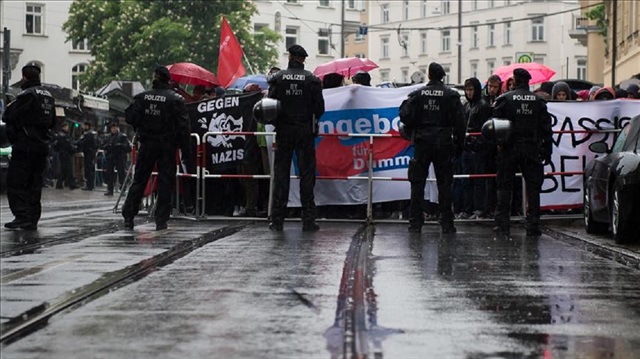
Germany’s Muslim community is increasingly alarmed by the surge of the far-right Alternative for Germany (AfD) party, which became the third-largest party in the recent federal election. The community fears that this political shift will lead to heightened discrimination and violence against Muslims across the nation.
Impact of AfD’s Anti-Islam Campaign
Aiman Mazyek, the chair of the Central Council of Muslims in Germany (ZMD), expressed his deep concerns regarding the AfD’s explicitly anti-Islam rhetoric during the election campaign. The AfD’s portrayal of a threat of “Islamization” in Germany comes at a time when nearly one million refugees, mainly from Syria and Iraq, have settled in the country since 2015. Mazyek stated, “The AfD have changed the political climate, and now it is poisoning it.”
He further elaborated on the fears within the Muslim community, noting, “Of course we have some fears. We worry about attacks targeting Muslims, which have already risen to alarming levels in Germany.” There is widespread apprehension that the anti-Islam propaganda espoused by the AfD may result in increased discrimination and even violent outings against Muslims in the coming days.
Demographic Context: Integration and Unity
Germany hosts around 4.7 million Muslims, with approximately three million of Turkish origin. Many Turkish Muslims have been in Germany for generations, having migrated during the 1960s, and are well-integrated in society. However, recent political narratives have amplified negative sentiments towards this community.
The AfD has aggressively criticized Chancellor Angela Merkel’s open-door policy regarding refugees, reiterating the stance that Islam has no place in Germany. According to Mazyek, the persistent public dialogue surrounding refugees and Islam has significantly contributed to the popularity of the AfD, which successfully passed a national 5-percent electoral threshold, winning 12.6 percent of the vote and gaining 94 out of the 709 seats in the Bundestag.
Call for Responsibility Among Political Parties
Mazyek implores mainstream political factions in Germany to refrain from adopting the populist rhetoric that is often associated with the AfD, urging them to take a firm stand against the party. He warned, “The ultimate goal of the AfD is to abolish our liberal democratic system. They want to have a new republic.”
He criticized the electoral debates for neglecting real social issues like unemployment, pensions, and social security, focusing instead on divisive topics. The neglect of these pertinent issues only serves to deepen societal divisions and escalate fears among marginalized groups.
Why It Matters
The rise of the AfD and its anti-Islam agenda is significant not just in Germany, but for global perceptions of Muslim communities in Europe. This political climate can lead to social and economic exclusion, fostering environments where fear and misunderstanding thrive. The consequences of such discriminatory actions can deter the integration of minorities, adversely affecting social cohesion and overall community well-being. For developers and policymakers, the challenges posed by political rhetoric that marginalizes certain communities must be addressed to ensure a balanced and inclusive society.
Frequently Asked Questions
What is the AfD and why is it significant?
The AfD (Alternative for Germany) is a far-right political party that gained prominence in Germany, particularly known for its anti-Islamic stance and opposition to immigration. Its rise to political strength poses concerns for minority communities, particularly Muslims.
How many Muslims live in Germany?
Germany is home to approximately 4.7 million Muslims, with a significant portion being of Turkish origin, many of whom are well-integrated into German society.
What are the fears articulated by the Muslim community?
The Muslim community in Germany fears that the increasing influence of the AfD will result in greater discrimination and violent attacks targeting Muslims. There is a sense of insecurity as public discourse becomes more polarized.
What role do political discussions play in shaping public perception?
Political discussions that focus on divisive issues, such as immigration and Islam, can lead to increased stigmatization and marginalization of certain communities. The narratives constructed can have lasting effects on social cohesion and inclusivity.