
Adani’s news agency, IANS, has raised eyebrows by dispatching reporters to obtain comments from Shia cleric Sayed Saif Abbas following a stone-pelting incident involving RSS chief Mohan Bhagwat. This raises questions about the motivations behind such coverage, especially given the sensitive religious and political context surrounding the event.
Incident Overview
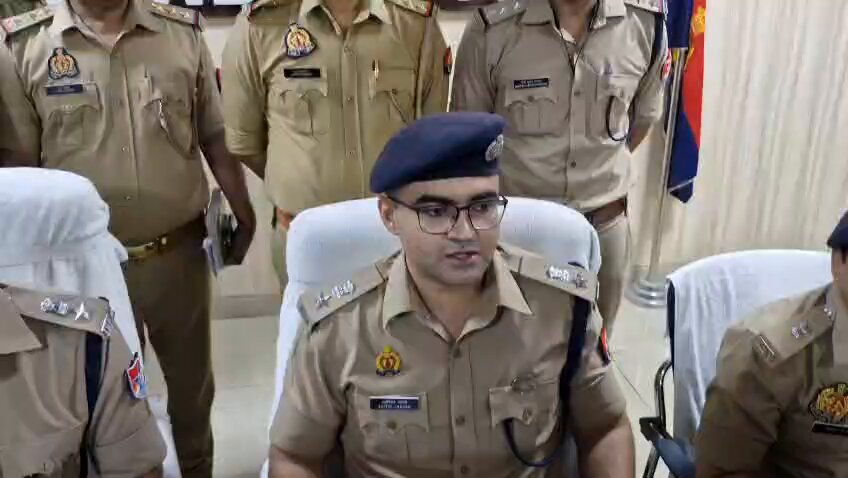
The reported stone-pelting occurred on the Shatabdi Express train, which was carrying RSS chief Mohan Bhagwat near Firozabad, Uttar Pradesh. According to local police statements, three minors were arrested in connection to the incident. These minors, identified as rag pickers, have not been named due to their age, and sources within the police have indicated that they are not Muslims. This detail is significant as it has fueled speculation about the motivations behind the incident and its potential implications for communal harmony in India.
Reactions from Religious Leaders
In response to the stone-pelting, Shia cleric Sayed Saif Abbas condemned the act, emphasizing the need for a thorough investigation. He stated, “Mohan Bhagwat, who is the Sarsanghchalak of a major organization in India, has faced this incident, and I strongly condemn it… I believe that a committee should be formed at the earliest to investigate the matter, and the culprits should be arrested.” Abbas’s remarks have been interpreted as a call for communal peace and accountability, stirring discussions about the role of religious leaders in political matters in India.
The Role of Media in Political Narratives
The decision by IANS to seek out views from a Shia cleric in this context prompts questions about media strategies and political narratives. By focusing on religious figures, especially those in minority communities, media organizations can create dialogues that may either promote understanding or exacerbate tensions among different groups. In this instance, the agency appears to aim for a balanced perspective, aiming to address the multifaceted implications of the event rather than merely framing it within a simplistic narrative of Hindu-Muslim conflict. However, this strategy may also be critiqued for being sensational at a time when community relations are particularly sensitive.
Why This Matters
The implications of this incident extend beyond immediate concerns regarding public safety; they touch on broader issues of communal relationships and political narratives in India. As tensions sometimes flare between different religious communities, the framing of events by media outlets like IANS can either foster dialogue or deepen divisions. The public’s perception of the incident is likely to be influenced by how these narratives unfold, potentially impacting both local politics and the national discourse surrounding religious tolerance and community relations. How such stories are reported will ultimately contribute to the larger dialogue about security, identity, and politics in contemporary India.
Frequently Asked Questions
What happened during the stone-pelting incident?
The incident involved stone-pelting on the Shatabdi Express train carrying RSS chief Mohan Bhagwat, leading to the arrest of three minors by the police.
Who condemned the stone-pelting?
Shia cleric Sayed Saif Abbas condemned the incident, calling for a committee to investigate and arrest the culprits.
Why did IANS seek comments from a Shia cleric?
IANS aimed to provide a balanced narrative, exploring perspectives from religious leaders in response to the communal sensitivity of the incident.
What are the implications of reporting on incidents like these?
Such reporting can influence public perception of community relations, potentially affecting ongoing conversations about tolerance and security in India.