
Summary
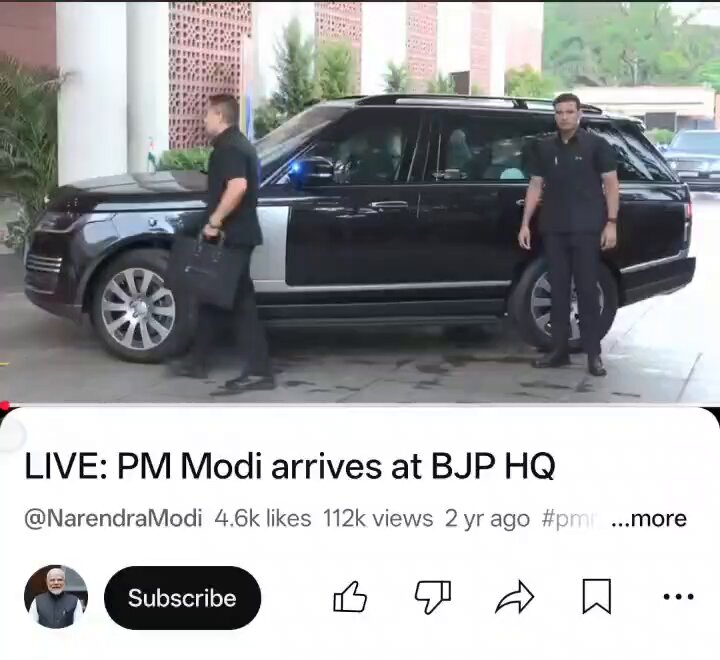
Recently, a video has gone viral on social media showcasing an interaction between Indian Prime Minister Narendra Modi and BJP President JP Nadda. However, it has been clarified that Nadda was not actually in the same vehicle as Modi during this incident, leading to discussions about the optics of political appearances.
Context of the Video
The video in question features Prime Minister Modi arriving at an unspecified location where he is warmly greeted. Social media users have speculated about the presence of JP Nadda in the vehicle with Modi. A prominent commentator on Twitter, @hyy_᭄Shahid࿐, pointed out that Nadda can be seen exiting from the opposite side of the vehicle, clutching a bouquet as if to welcome Modi. This moment was seized upon for its seemingly theatrical nature, raising questions about how political figures curate their public image.
Theater of Politics
Political demonstrations in India often emphasize image management. The act of arriving with flowers and making gestures to showcase cordiality is symbolic in politics, aiming to reinforce a certain narrative of camaraderie and respect. In this case, Nadda’s maneuver has been interpreted by some as an attempt to maintain a favorable public perception. By stepping out of the vehicle separately, his actions could be viewed as an attempt to ensure that he shares a moment of visibility while also keeping the focus on Modi.
The timing and staging of these events are crucial for political leaders in India. They want to portray unity and strength, but the subterfuge behind these moments can sometimes backfire, leading to public skepticism and derision on social media.
The Impact of Social Media
In the digital age, social media plays a pivotal role in shaping public perception in Indian politics. Viral videos can impact narratives within minutes, leading to both support and criticism. The spread of the mentioned video indicates that Indian citizens are watching closely and analyzing political behavior.
Social media commentary can lead to a rapid shift in how politicians are perceived and can amplify issues that might have gone unnoticed otherwise. The fact that this video has sparked significant discussion showcases the importance of optics in politics today.
Why This Matters
The implications of this viral incident reach beyond just a moment of awkwardness for the BJP leaders. It highlights a broader issue regarding authenticity and sincerity in political interactions in India. The public’s ability to dissect and critique these moments demonstrates a growing engagement with the political process, particularly among younger voters who rely heavily on digital platforms for news and commentary.
Moreover, the scrutiny surrounding leaders’ public appearances underlines a heightened expectation for transparency and genuineness in political behavior, particularly as the country approaches election seasons.
Frequently Asked Questions
What was the claim about JP Nadda and PM Modi’s vehicle?
The claim was that JP Nadda was seen exiting the vehicle with PM Modi, appearing to welcome him with flowers. However, it has been clarified that Nadda was not in the same car as Modi.
Why are political appearances significant in India?
Political appearances are crucial as they help shape public perception and narrative. Images of cordiality and cooperation can be strategically important for leaders seeking to build public trust and support.
How does social media affect political narratives in India?
Social media platforms enable rapid dissemination of information and public discourse. Viral content can influence the way political events are interpreted, leading to an informed electorate that actively engages in discussions about leadership and governance.
What can we learn from the reactions to this viral video?
The reactions to the video indicate a heightened awareness and critical engagement from the public concerning political optics. It reinforces the idea that voters are not just passive consumers of political messaging; they actively analyze and critique the authenticity of their leaders’ actions.