
Summary
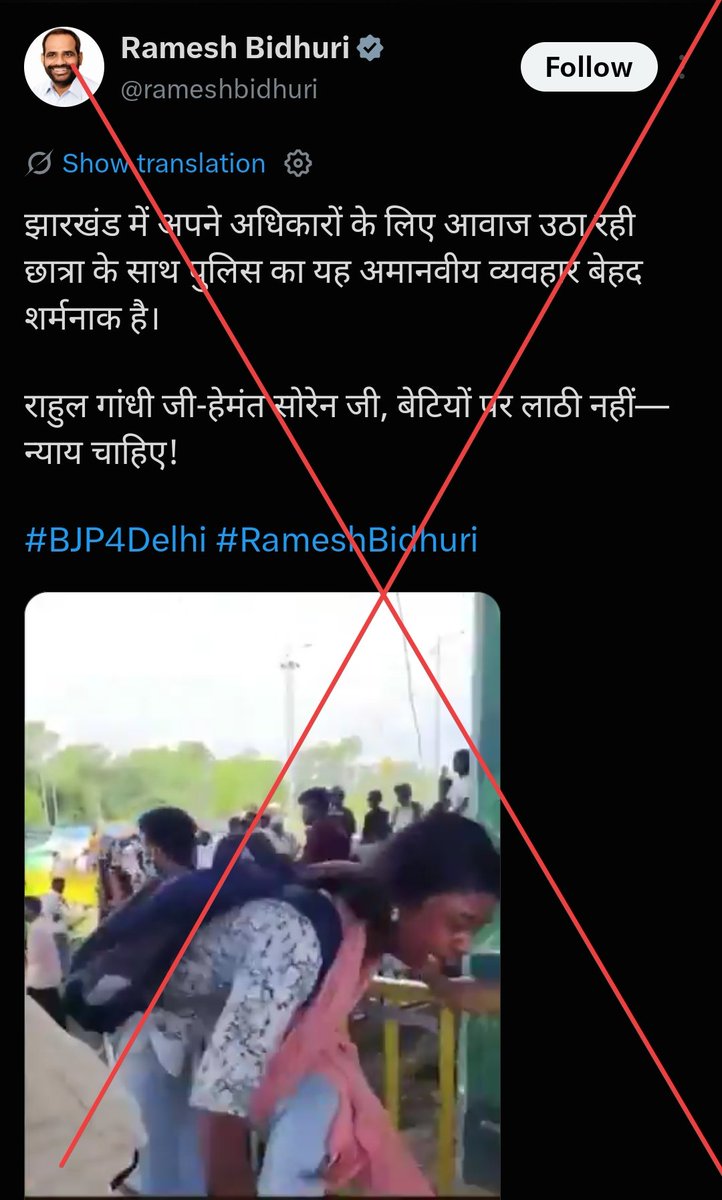
On July 22, a protest in Patna, Bihar, related to the Citizenship Amendment Act (CAA) gained traction on social media, particularly among BJP supporters. Several BJP handles have erroneously circulated an old video from this protest, mistakenly labeling it as occurring in Jharkhand, which raises questions about misinformation in political discourse.
Context of the Protest
The protest in question revolved around the Citizenship Amendment Act, which has been a focal point of contention in India since its enactment in late 2019. The act aimed to provide a pathway to citizenship for religious minorities fleeing persecution from neighboring countries. However, critics argue that it discriminates against Muslims, resulting in widespread protests across the country.
On July 22, 2023, students in Patna protested against police actions during a demonstration for their rights, stating they faced excessive force. This protest mirrored sentiments felt across the country since the CAA’s introduction, drawing attention to government policies perceived as oppressive, especially towards minority communities.
Misrepresentation and Misinformation
The sharing of the Patna protest video as being from Jharkhand by BJP handles, including tweets from prominent figures like Ramesh Bidhuri and Amit Malviya, exemplifies a troubling trend in political discourse: misinformation. Tweets from @rameshbidhuri criticized the police’s actions towards female protesters, calling them “inhuman.” However, the context of the video mattered, as many viewers were misled into believing it depicted recent events in a different state.
This misrepresentation adds volatility to an already divisive political landscape in India, where misinformation can inflame public sentiment. The consequences can be grave, as videos and images circulating online are often shared without proper context, leading to misinformation that can spark further protests or riots.
Reactions and Political Fallout
The reaction to the video and the overall protest by various political leaders has been notable. Ramesh Bidhuri’s emphasis on police accountability over victimized students reflects an attempt to highlight issues of power dynamics in state politics. Meanwhile, Rahul Gandhi’s retweet amplified the criticism of state authorities.
The ongoing attempts to frame narratives around protests have become a pivotal strategy for various political parties. This incident serves as an example of how narratives can be manipulated based on selective information. As political parties leverage situations to rally support, such misinformation can contribute to a culture of distrust among the populace towards news sources and political messaging.
Why This Matters
The issue of misinformation is significant in the Indian political context, especially as the country approaches crucial elections. Political actors can exploit erroneous information to sway public opinion or discredit opponents. This behavior presents challenges for voters seeking to inform themselves adequately. The potential for voter manipulation through misinformation not only impacts political outcomes but also influences social stability.
As Indian democracy continues to evolve, educating the public about discerning factual information from misleading rhetoric becomes paramount. Engagements by political commentators and leaders should focus on transparency and accountability, fostering a more informed citizenry.
Frequently Asked Questions
What is the Citizenship Amendment Act (CAA)?
The Citizenship Amendment Act is a law enacted in December 2019 that offers a pathway to Indian citizenship for non-Muslim religious minorities from neighboring countries like Pakistan, Afghanistan, and Bangladesh. It has faced significant criticism for being discriminatory against Muslims.
What were the protests about on July 22 in Bihar?
The protests on July 22 in Bihar were sparked by police actions against students advocating for their rights, highlighting concerns over excessive police force and systemic oppression faced by protestors.
Why is the misrepresentation of the protest significant?
Misrepresentation can mislead the public, incite further unrest, and erode trust in political processes. Such actions may serve to divert attention from underlying issues of governance and accountability.
How does misinformation affect political narratives in India?
Misinformation can shape public perceptions, influence electoral outcomes, and complicate the relationship between citizens and the state. In an age of information warfare, discerning fact from fiction is crucial for a healthy democracy.