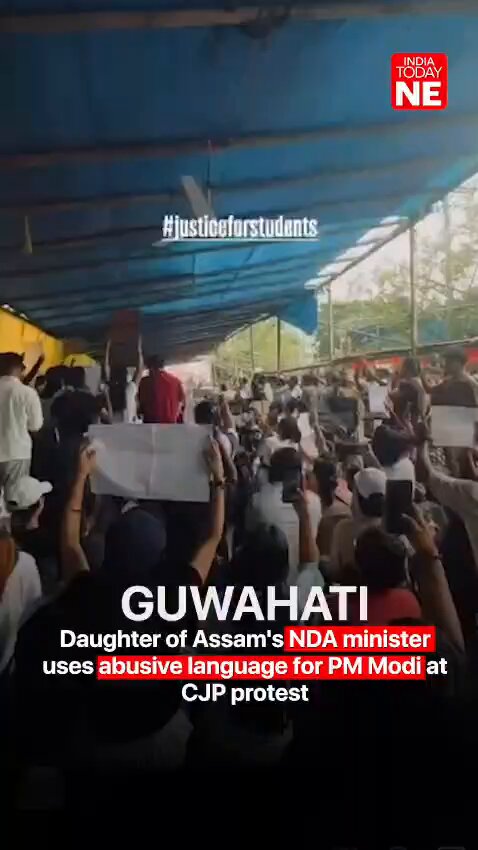

In a recent statement, Assam Chief Minister Himanta Biswa Sarma addressed the participation of Keshab Mahanta’s daughter in a protest against irregularities in the NEET examination. Sarma emphasized that her actions should not be linked to her father’s political ideology and pledged to discuss her protest with her. However, critics have pointed out the double standards in how similar actions by ordinary students or individuals from marginalized communities might be treated under laws like UAPA or NSA.
Context of the Protest
The protest where Keshab Mahanta’s daughter was seen chanting slogans against Prime Minister Narendra Modi was held to highlight perceived irregularities in the National Eligibility cum Entrance Test (NEET). This issue has been a significant point of contention among students in Assam, who have raised concerns over fairness and transparency in the examination process. Such protests are part of a larger discourse on educational policies and their impact on students across the country.
Political Reaction
In response to the students’ protests, Chief Minister Himanta Biswa Sarma made a public statement suggesting that the daughter of his Cabinet colleague should not be subject to trolling or backlash. Sarma acknowledged that once children reach adulthood, their opinions may diverge from their parents’ beliefs. This position seems to reflect a desire to uphold the individuality of young adults, while simultaneously aligning with the political narrative of student activism opposing governmental policies.
Allegations of Double Standards
While Sarma’s defense of Mahanta’s daughter puts forth a narrative of political autonomy for young adults, it raises questions about the perceived double standards within the legal system regarding dissent. Critics argue that if a student from a marginalized background were to engage in similar protests with strong slogans against the government, they could potentially face severe repercussions, including arrest under stringent laws such as the Unlawful Activities (Prevention) Act (UAPA) or the National Security Act (NSA). This inconsistency points to broader issues around privilege and protection within the political framework of India.
Why This Matters
The incident and ensuing discussion highlight critical issues within Indian politics, including the treatment of dissent, student rights, and the implications of privilege. As young people become increasingly vocal about their rights, the government’s response to different groups of protesters could shape the political landscape. The perceived inequity in how dissent is treated can affect public trust in legal systems and governmental institutions, making this a pivotal moment for young activists and their supporters across the nation.
Frequently Asked Questions
What was the protest about?
The protest was focused on alleged irregularities in the NEET examination, with students demanding fairer practices in the conduct of these important tests.
What did Himanta Biswa Sarma say regarding Keshab Mahanta’s daughter?
Sarma stated that his Cabinet colleague’s daughter should not be trolled for her protest actions and that he would speak to her about her slogans to explain their inappropriateness.
What concerns have been raised about the government’s response to protests?
Critics have pointed out that there is a potential double standard in how protests are managed, with concerns that individuals from marginalized backgrounds may face harsher penalties for similar actions compared to those linked to political elites.
Why is the treatment of dissent significant in India?
The handling of dissent reflects broader issues of freedom of expression, youth political engagement, and potential biases in law enforcement, which are crucial for shaping democratic values in India.