
In a recent call for assistance, prominent Indian political commentator Mohammed Zubair (@zoo_bear) has been seeking help to identify a protester injured during the Jantar Mantar protest on July 20th. The individual, reported to have sustained pellet injuries, is said to be from Uttarakhand and currently receiving treatment at Lady Hardinge Hospital in Delhi. Zubair’s appeal underscores the urgency of recognizing and supporting injured activists.
Context of the Protest
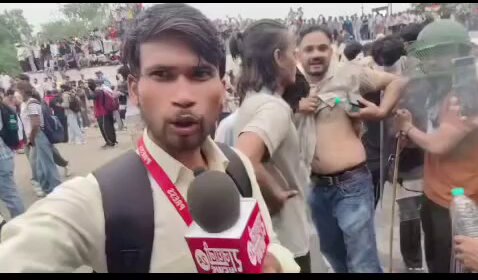
The Jantar Mantar protest on July 20, 2023, was a significant moment in the ongoing resistance against various socio-political issues in India. Protesters gathered to voice their concerns, and the atmosphere was charged with heightened tensions between demonstrators and law enforcement. Reports indicate that clashes broke out, leading to injuries among participants. The use of pellet guns by security forces has been a contentious issue, often criticized for their impact on civilians during such protests.
The Injured Protester
The individual highlighted in Zubair’s appeal is from Uttarakhand, which adds a layer of regional significance to the ongoing protests. His current admission to Lady Hardinge Hospital indicates the severity of his injuries, drawing attention to the risks associated with civic activism in India. Disregard for human rights in situations involving law enforcement action remains a critical discourse, especially in light of increased vigilance against protest movements across the nation.
Public Response and Media Coverage
Zubair’s outreach on social media represents a concerted effort to shed light on the plight of protesters and rally public support for injured activists. The use of platforms like Twitter to crowdsource information reflects a growing trend where individuals mobilize online to address injustices. However, the lack of available contact details for the injured protester also highlights challenges in ensuring immediate medical and emotional support for victims of such incidents, raising questions about the effectiveness of state mechanisms in safeguarding citizens engaged in dissent.
Why This Matters
The significance of this incident extends beyond just one individual’s injuries. It serves as a reminder of the broader struggles surrounding civil rights, state authority, and the safety of citizens in India. The growing number of protests indicates a rising discontent and urge for reforms across various sectors, including governance, social justice, and human rights. Zubair’s search for identification and support for the injured protester encapsulates a critical intersection of activism and social media, showing how digital platforms can be harnessed to create awareness and urgency in real-time concerning vital human rights issues.
Frequently Asked Questions
What was the purpose of the Jantar Mantar protest?
The Jantar Mantar protest aimed to address various socio-political issues that the participants felt required immediate attention from the government and society at large. It served as a platform for expressing dissent and advocating for reforms.
What is the role of social media in such protests?
Social media helps mobilize support, raise awareness, and document events in real-time. It can also facilitate communication among activists and connect them with those who can provide assistance, including medical aid or legal support.
Why are pellet guns controversial?
Pellet guns are often criticized for their potential to cause serious injuries, particularly to civilians. Their use in crowd control raises critical ethical questions about state responses to protests and the protection of human rights.
How can individuals support injured protesters?
Individuals can support injured protesters by spreading awareness, contributing to crowdfunding campaigns for medical expenses, or volunteering with organizations that assist affected individuals. Additionally, recognizing and advocating for accountability regarding law enforcement practices is essential.