
Monsoon Fury in Cox’s Bazar: Rohingya Refugees Face Severe Crisis
Recent heavy monsoon rains in Bangladesh have resulted in devastating consequences for the Rohingya refugee community, including at least 14 fatalities and widespread displacement. Thousands are impacted as flooding and landslides wreak havoc in refugee camps housing nearly one million individuals.
Impact on Refugee Lives
According to humanitarian agencies and the U.N. refugee agency, approximately 15,913 Rohingya refugees from 4,950 families have been affected by torrential rainfall, leading to critical infrastructure damage. Precise reports indicate that over 3,280 individuals have been displaced, with shelters destroyed or rendered unsafe. Additionally, at least 13 injuries have been recorded, and a staggering 170 weather-related incidents—including 59 landslides—have been documented in the past few days.
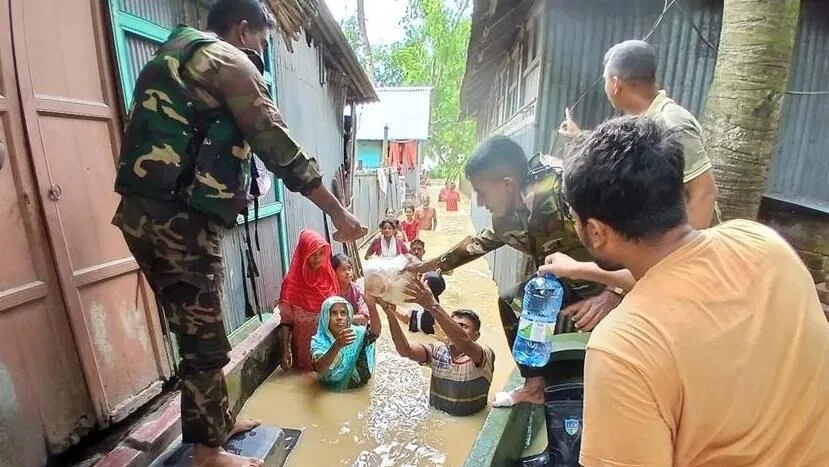
The damage spans 24 different camps in Cox’s Bazar, where emergency responders continue to conduct rescue and relief operations despite ongoing weather challenges. Humanitarian workers and community volunteers are engaged in efforts to relocate families from high-risk areas, clear blocked roads, and provide urgent assistance despite the persistent rain hampering access.
The Humanitarian Response and Ongoing Challenges
Emergency services are being carried out under dire conditions, as the Rohingya camps, plagued by an ongoing humanitarian crisis, remain incredibly vulnerable each monsoon season. Many families live in makeshift shelters constructed from bamboo and tarpaulin on steep, deforested hillsides prone to flooding and landslides. The most recent monsoon has flooded numerous shelters, destroying valuables and damaging vital infrastructure, including roads and drainage systems.
The ongoing rainfall has severely disrupted essential services, with flooded pathways and damaged bridges hindering access to health centers, schools, and water points. Aid agencies warn that the situation is far from over, with future heavy rain expected and further displacement likely. Special considerations are being made for vulnerable groups, including children, women, elderly individuals, and those with disabilities, who face the greatest risks during emergencies.
Systemic Issues Behind the Vulnerability of Refugees
Chronic underfunding of humanitarian efforts exacerbates the vulnerabilities faced by the Rohingya. The settlements have historically struggled with destructive flooding and landslides during the monsoon season, but insufficient resources hinder improvements in shelters, slope stabilization, and drainage systems. As the rains continue, aid organizations emphasize the critical need for ongoing emergency assistance to mitigate further losses and protect one of the world’s largest refugee populations.
Officials are conducting close monitoring of several camps to assess the evolving weather conditions and their implications. The casualty figures and extent of damages may rise as assessments continue, highlighting the urgent need for a robust response to this humanitarian crisis.
Why It Matters
This humanitarian crisis underscores the urgent need for effective international aid mechanisms and policy interventions. The plight of Rohingya refugees serves as a stark reminder of the intersection of environmental challenges with human rights issues. For developers and agencies looking to improve AI-driven disaster response solutions, understanding the dynamics faced by vulnerable populations can lead to better tools and strategies for intervention in similar crises worldwide.
Frequently Asked Questions
What causes the flooding in Rohingya refugee camps?
Flooding in the Rohingya camps is primarily caused by heavy monsoon rains, which lead to waterlogging, landslides, and the destruction of makeshift shelters built on unstable hillsides.
How many refugees are currently affected by the monsoon rains in Bangladesh?
Recent assessments indicate that approximately 15,913 Rohingya refugees from 4,950 families have been affected by the recent flooding and landslides.
What are the humanitarian responses being implemented?
Humanitarian workers are relocating families, clearing blocked roads, and providing emergency assistance to those displaced, although access remains challenging due to ongoing rainfall.
Why are Rohingya refugees particularly vulnerable during monsoon season?
Rohingya refugees are vulnerable due to their living conditions, which often consist of makeshift shelters on deforested hillsides that cannot withstand heavy rains, leading to increased risks of flooding and landslides.




![Community members raise their arms during a gratitude poem at a supper in Westbrook, Maine, in July 2025 [Courtesy of Community Plate]](https://www.indianewsweek.com/wp-content/uploads/2026/09/Potluck-Parties-Surge-in-Popularity-Across-America-A-Culinary-Revival-300x203.jpeg)