
Summary
In a significant counter-terrorism operation, British police arrested 12 individuals linked to far-right groups over an alleged plot to attack an Islamic gathering in Suffolk. The arrests coincide with heightened racial tensions in the UK, particularly concerning the treatment of Muslims and the activities of extremist groups, raising alarming questions about societal tolerance and safety.
Details of the Arrests
The police operation, orchestrated by London’s Counter Terrorism Policing unit, took place over two days and involved the apprehension of 11 men and one woman, with ages ranging from 27 to 82. Eight men are facing terrorism charges, while three are suspected of conspiracy to commit murder; the woman is accused of assisting an offender. None of the suspects has been formally charged as of now.
The targeted event, the Ijtima festival, was attended by approximately 15,000 individuals before being cut short based on police recommendations due to the perceived threat. Authorities noted that while there was no immediate risk to the public, investigations were ongoing across various locations connected to the suspects.
The Context of Rising Tensions
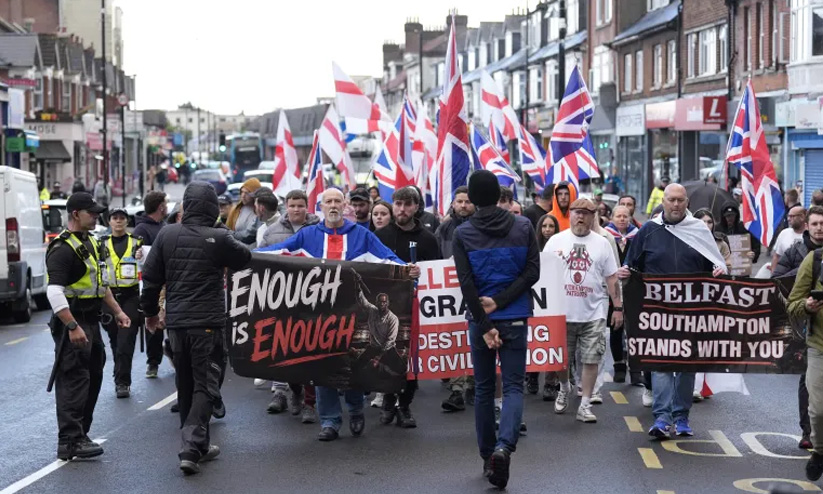
The backdrop to these arrests is marked by escalating racial tensions and an uptick in hate crimes across the UK. Recent data from the Crown Prosecution Service highlights that the country is witnessing the highest number of hate crime cases recorded to date. For instance, between July and September of the previous year alone, there were 4,350 reported hate crimes, illustrating a 14.7 percent increase over the prior quarter.
This rise in intolerance is exacerbated by the influence of far-right groups, including the Reform Party, which have gained traction in recent years. The aftermath of riots two years prior contributes further to a climate of division and hostility. Home Secretary Shabana Mahmood emphasized that the police operation not only thwarted potential violence but also underscored the need for unity against hatred in society.
The Impact on the Muslim Community
The successful police operation brings to light broader concerns regarding the safety and well-being of Muslim communities in the UK. British Muslims are likely to perceive this alleged plot, and the purported motivations behind it, as a reflection of systemic discrimination and marginalization that they face in various spheres of life. The fear of targeted violence is compounded by ongoing socio-political narratives that often alienate minority groups.
Calls for solidarity among all citizens have intensified in the wake of these events; however, the experiences of marginalized communities suggest a lingering divisive sentiment. The government’s focus on combating hate crimes must be matched by genuine efforts to foster inclusive dialogues and policies aimed at bridging divides in a multicultural society.
Why It Matters
The unfolding situation in the UK regarding the treatment of Muslims has implications beyond national borders. It serves as a cautionary tale regarding the rise of far-right ideologies and their impact on social cohesion. For developers and leaders in sectors focusing on artificial intelligence and data analysis, these dynamics emphasize the importance of addressing bias in algorithms and understanding the socio-political factors that shape data application.
In a global context, responses to incidents like these can influence migration patterns, international relations, and socio-economic policies. Countries around the world are watching, and the responses of governments may dictate future discourse on immigration, multicultural acceptance, and human rights.
Frequently Asked Questions
What was the Ijtima festival?
The Ijtima festival is a gathering of Muslims, often attracting tens of thousands of attendees for religious discussions and activities. In this instance, approximately 15,000 people were in attendance in Suffolk before the festival was cut short due to security concerns.
What are the accusations against the arrested individuals?
Among the 12 arrested individuals, eight face terrorism-related charges, while three are suspected of conspiracy to commit murder, and one woman is accused of aiding an offender. None of the suspects have been formally charged yet.
How have hate crimes changed in the UK recently?
Recent data indicates that the UK has seen an increase in hate crimes, with the Crown Prosecution Service reporting the highest number of such cases in its history, suggesting an urgent need for effective measures to combat rising intolerance.
What are the consequences of rising far-right extremism?
The rise of far-right extremism poses significant challenges to social harmony, often leading to increased violence against minority groups, fostering a climate of fear and division, and impacting public policy regarding immigration and social inclusion.