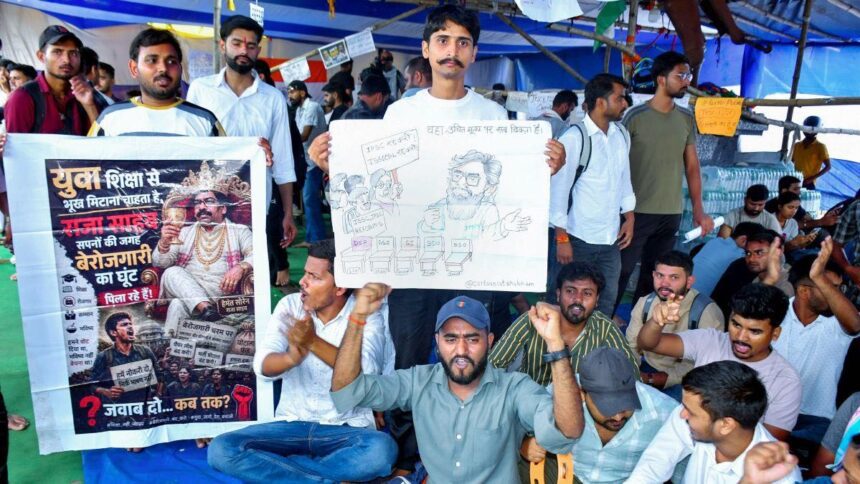

Recent violent protests in Jharkhand sparked by alleged irregularities in recruitment exams have led to multiple FIRs against demonstrators. Over 28 named individuals and more than 900 unnamed protestors are facing charges, highlighting rising tensions in the region regarding governance and employment opportunities, particularly among youth job seekers.
Background of the Protests
The unrest began on August 21, when thousands of students gathered at Gandhi Maidan in Ranchi. Their grievances center on the perceived corruption and mismanagement of recruitment processes, specifically related to the Jharkhand Public Service Commission (JPSC) and Jharkhand Staff Selection Commission (JSSC) exams. Demonstrators burned an effigy of Chief Minister Hemant Soren to express their frustrations. Activists from the ‘JPSC-JSSC Reforms Manch’ claim the government has misled job aspirants, leading to substantial angst among the student population looking for stable employment.
Details of Legal Action Initiated
In response to the protests, local authorities have filed a series of FIRs. Following the incidents in Ranchi, police lodged three FIRs against a combination of named individuals and unidentified protestors for obstructing government operations and engaging in violent confrontations with law enforcement. In Giridih, two separate FIRs were filed, implicating leaders from the ruling Jharkhand Mukti Morcha (JMM) party. Complaints detail attempts to block traffic and confrontations with police, further fueling concerns about political involvement in the unrest.
Meanwhile, the situation escalated in Hazaribag, where an FIR detailed accusations against 18 individuals and 700 unnamed participants who allegedly assaulted police during similar protests. Eight police officers were reported injured, and authorities are currently reviewing CCTV footage for identification.
The Implications for Governance and Social Unrest
These events underline a growing discontent among youth in Jharkhand, particularly regarding employment opportunities and governmental transparency. The legal actions taken against protestors reflect a trend where dissent may be met with punitive measures, raising concerns about freedom of expression and the right to peaceful assembly. Such occurrences may also exacerbate existing divisions within society, especially as marginalized groups—the economically disadvantaged and youth—find themselves increasingly alienated from the political process.
Why It Matters
The situation in Jharkhand is emblematic of broader trends affecting governance and civil society in India. The proliferation of protests over job insecurity and allegations of corruption brings attention to systemic failures in both the education and employment sectors. For the BJP and Sangh administrations, these issues challenge their narrative of effective governance and highlight potential vulnerabilities leading into future elections. Additionally, the handling of dissent may set precedents that could affect how protests and social movements are managed across India, informing international observers’ views on the state of democracy and human rights in the country.
Frequently Asked Questions
What led to the protests in Jharkhand?
The protests were incited by allegations of irregularities in the recruitment process for government positions, with students expressing frustration over the perceived mismanagement by the Jharkhand government.
How many FIRs have been filed in connection with these incidents?
A total of three FIRs have been filed against 28 named individuals and over 900 unnamed persons in Giridih and Hazaribag following violent clashes during protests.
What are the charges against the accused protestors?
The protestors are facing charges for obstructing government work, assaulting police personnel, and unlawful assembly, among others, under the Bharatiya Nyaya Sanhita.
What is the broader significance of these protests?
These protests highlight youth discontent over joblessness and governance issues in Jharkhand, reflecting wider concerns about transparency and accountability in the Indian political system, especially under the ruling BJP and Sangh governments.