
Islamophobia in India has reached alarming levels, impacting not just the socio-political landscape but also the lives of millions of Indian Muslims. This discrimination manifests through economic boycotts, social exclusion, and a pervasive climate of fear, deeply entwined with recent actions and rhetoric from the ruling BJP government and its affiliate groups.
Escalating Discrimination and Othering
The rhetoric from political leaders has fostered a culture of othering, where Muslims are increasingly viewed as outsiders. Remarks made by influential political figures encourage a toxic atmosphere. For example, the Chief Minister of a state recently urged his constituents to “trouble the miyas,” a derogatory term for Muslims, effectively endorsing economic marginalization. Such prejudiced statements resonate across society, encouraging actions against Muslim businesses and individuals.
Moreover, incidents of communal violence and hate speech have intensified. The naturalization of derogatory slogans like “Goli maro saalon ko” has shifted societal norms, making blatant hostility towards Muslims more acceptable. This gradual normalization of hate speech and violence can be traced back to local events in the early 1990s that have laid the groundwork for today’s rising animosity.
The Economic Impact of Exclusion
Economic repercussions for Muslims in India have escalated, particularly affecting those in lower-income brackets. As described in the keynote address delivered at the Goa Arts and Literature Festival, many Muslims fear for their livelihoods. From plumbers to vendors, individuals often avoid using their Muslim-sounding names for fear of being denied employment or services. This impacts not only the personal lives of individuals but also the broader economy, as discrimination pushes capable workers out of the job market based purely on communal identity.
Furthermore, the fear of violence during communal tensions makes them reluctant to operate openly or engage in public spaces. This economic isolation creates a cycle of deprivation, as communities are unable to contribute effectively to the economy or even secure basic necessities without risk.
Lived Experiences of Fear and Anxiety
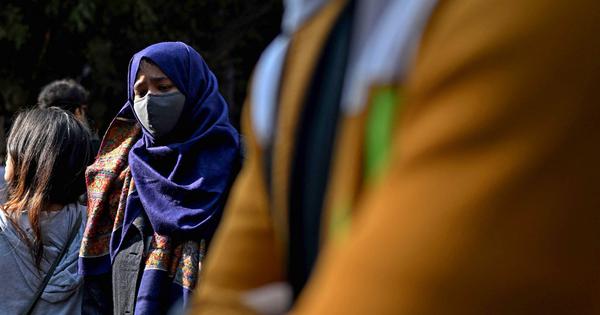
The emotional toll of discrimination is profound. Many Muslims live with an ongoing sense of anxiety, which manifests as fear and depression. As articulated by writer Rakhshanda Jalil, even those who may not “look” like Muslims bear the weight of their identity in an increasingly hostile environment. The fear of violence and marginalization invades daily life, impacting mental health and community cohesion.
This pervasive climate of fear discourages open political engagement among affected communities, further silencing voices that could challenge the status quo. In urban settings, Muslims often withdraw from participation in political debates, hinting at a broader apathy fueled by the dread of repercussions. The normalization of these sentiments leads to a collective identity crisis, eroding the sense of belonging for a vast section of the population.
Why It Matters
The implications of this rising discrimination extend beyond the immediate impacts on social fabric and economic stability in India; they serve as a warning bell for societies globally. When any community faces systemic discrimination, the repercussions can ripple through broader societal dialogues concerning human rights, freedom of expression, and civic duties. The curtailing of rights for a minority group often hints at a larger trend where laws and regulations may become tools for oppression rather than protection. Understanding the plight of Indian Muslims thus provides critical insights into how we might safeguard pluralism and protect identities in increasingly polarized global environments.
Frequently Asked Questions
What specific actions have been taken by the BJP government that affect Muslims?
The BJP government’s policies and public statements often create an environment that marginalizes Muslims, endorsing communal rhetoric that has led to social and economic exclusion.
How does fear manifest among Indian Muslims today?
Many Indian Muslims experience anxiety and depression as a result of pervasive discrimination, leading them to withdraw from public life and political engagement.
What impact does economic boycott have on Muslim communities?
Economic boycotts force many Muslim individuals to conceal their identities for fear of being denied employment or services, contributing to a cycle of poverty and isolation.
How can one combat discrimination against Muslims in India?
Awareness, empathy, and active engagement in conversations are essential. Understanding and acknowledging these fears can help foster solidarity across diverse communities against discrimination.