
Iran and Egypt have faced pressure and scrutiny as they attempt to distance themselves from the upcoming “Pride Match” in Seattle, part of the FIFA World Cup festivities. While FIFA permits rainbow flags at the event, both nations have lodged complaints against the LGBTQ+ celebrations surrounding the match, reflecting their restricted views on LGBTQ+ rights.
The Controversy Surrounding the “Pride Match”
As the World Cup draws closer, the focus on inclusivity has intensified, particularly highlighted by the planned “Pride Match” featuring Iran and Egypt. Both countries face severe restrictions regarding LGBTQ+ rights and have expressed their concerns about these celebrations. Iran’s head coach, Amir Ghalenoei, emphasized their stance by stating, “We seek to bring joy to our people….We are only going to speak about football.” Similarly, Egypt’s coach Hossam Hassan echoed that their focus remains solely on the game.
The coaches’ comments indicate a careful navigation of a sensitive topic, as they maintain that their focus is on football rather than the external social issues surrounding the event. FIFA President Gianni Infantino has attempted to clarify that these celebrations are not officially part of the World Cup, stating that the match and the Pride events are separate occurrences.
FIFA’s Position on LGBTQ+ Celebrations
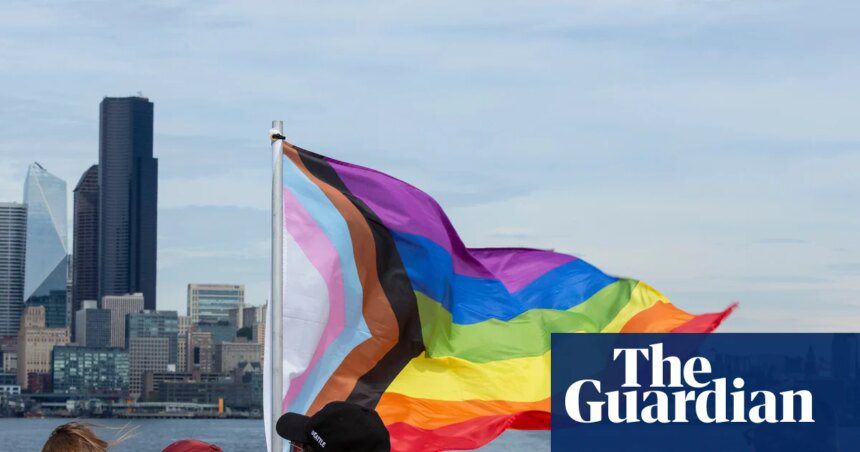
FIFA has taken a stance to allow the display of rainbow flags and symbols within stadiums, provided they align with the World Cup’s stadium code of conduct. A FIFA spokesperson affirmed that general statements of human rights, including those representing sexual orientation and gender identity, are permitted. This stance exemplifies FIFA’s attempt to foster an inclusive environment, while also acknowledging the complicated dynamics that arise when competing with countries where LGBTQ+ rights are heavily suppressed.
Infantino has repeatedly distanced FIFA from being directly involved with the Pride activities, making it clear that they are organized by external parties outside of FIFA’s purview. This statement indicates the balancing act FIFA must maintain while trying to promote inclusivity without upsetting nations with strict social laws.
The Ripple Effects of the World Cup on Social Issues
This scenario is reflective of a larger trend at major sporting events where global attention draws attention to social issues. The World Cup often serves as a microcosm of global societal attitudes, making it a focal point for both celebration and protest. This year’s Pride Match in Seattle is particularly unique, given the juxtaposition of a significant LGBTQ+ celebration with teams from nations that restrict these rights.
As Ghalenoei noted regarding Iranian frustrations: “We have been deprived of our rights.” This sentiment is echoed by many across the globe as they seek to leverage the visibility of global events to advocate for major social changes, particularly regarding human rights and LGBTQ+ rights. The event is expected not only to serve as a sporting spectacle but also as a conversation starter about inclusivity and acceptance, not just in the West but worldwide.
Why This Is Trending
In India, the discussions surrounding the “Pride Match” have ignited conversations about LGBTQ+ rights, especially following recent events where similar topics are gaining attention in the public domain. India’s recent steps towards greater acceptance of LGBTQ+ rights, alongside ongoing debates and social movements, make this international story resonate. The Indian youth, influenced by global narratives, are increasingly advocating for equality and inclusivity, positioning them to connect with narratives like the Seattle Pride Match. Additionally, the juxtaposition of a high-profile sporting event with crucial social issues stirs curiosity and engagement across social media platforms.
Frequently Asked Questions
What is the “Pride Match” in Seattle?
The “Pride Match” is a FIFA World Cup event scheduled in Seattle that coincides with Pride celebrations, focusing on inclusivity for the LGBTQ+ community.
Why are Iran and Egypt opposing the Pride celebrations?
Both Iran and Egypt have strict laws against LGBTQ+ rights, prompting them to file complaints with FIFA to cancel the LGBTQ+ events surrounding the match.
What is FIFA’s stance on LGBTQ+ rights?
FIFA allows the display of rainbow flags in stadiums and emphasizes that the pride-related events in Seattle are organized independently of FIFA, affirming their commitment to inclusivity.
How does this relate to global LGBTQ+ rights?
This scenario highlights the contrasts in global attitudes toward LGBTQ+ rights, showing progress in some areas while acknowledging ongoing oppression in others, thereby amplifying discussions on equality.