
Summary
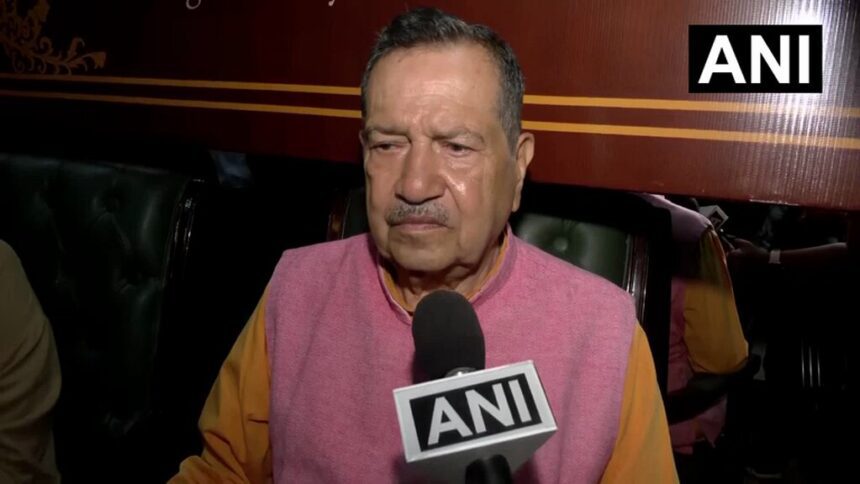
Indresh Kumar, a leader from the Rashtriya Swayamsevak Sangh (RSS), has urged politicians not to politicize the ongoing claims regarding donation embezzlement related to the Ram Mandir construction. He emphasized that the sentiments expressed by RSS General Secretary Dattatreya Hosabale resonate with millions of swayamsevaks and called for trust in the government and organizations involved to ensure justice.
Context: The Ram Mandir Controversy
The Ram Mandir in Ayodhya holds significant cultural and religious importance for many Hindus and has been the focal point of political and religious discourse in India for decades. The construction of the temple has been a contentious issue, marked by legal battles and communal tensions. Recently, allegations surfaced regarding the misappropriation of funds intended for the temple’s construction, igniting a fresh wave of political debate. Leaders from various factions have weighed in, often using the situation to gain political mileage, which has added layers to the existing controversy.
The RSS and Its Stance
The RSS, an influential Hindu nationalist organization, often plays a critical role in shaping the political landscape in India. In light of the recent allegations, Indresh Kumar’s remarks signify an attempt to maintain organizational integrity and morale among its members and supporters. By stating that “politicians should not politicize this,” he suggests that the focus should remain on the principles of justice and trust in the processes established for the temple’s management. His comments reflect a broader desire within the RSS to reaffirm its commitment to ethical governance, as well as a call for unity among its supporters during politically charged times.
Political Reactions and Implications
The response from political parties has varied. Opposition leaders have seized the opportunity to criticize the government, claiming that the charges indicate a larger pattern of corruption within the administration. In contrast, pro-RSS factions argue that the integrity of the Ram Mandir project should not be undermined by political rivalries. This division highlights the ongoing struggle for narrative control in the Indian political arena, particularly concerning issues tied to cultural identity and nationalism. Kumar’s call for politicians to refrain from politicizing the matter signals a tactical move to shift focus away from criticisms and back towards the principles that the RSS champions.
Why This Matters
The ramifications of the Ram Mandir donation embezzlement case extend well beyond a mere financial scandal; they touch upon fundamental questions of trust, governance, and cultural identity in contemporary India. For a nation where religious sentiments are often intertwined with political agendas, the way this case unfolds could significantly influence electoral dynamics and party strategies. As the RSS attempts to steer the narrative towards justice and ethical governance, how various stakeholders respond will likely shape public sentiment ahead of upcoming elections.
Frequently Asked Questions
What are the allegations concerning Ram Mandir donations?
Recent allegations suggest that there may have been embezzlement of funds intended for the construction of the Ram Mandir in Ayodhya. These claims have raised concerns and ignited political discussions across the spectrum.
Who is Indresh Kumar, and what is his role in the RSS?
Indresh Kumar is a prominent leader of the Rashtriya Swayamsevak Sangh (RSS), known for his public speeches advocating for Hindu unity and cultural nationalism. His comments often reflect the organization’s stance on various political issues.
Why is the Ram Mandir significant in Indian politics?
The Ram Mandir symbolizes not just religious faith but also has been a focal point for Hindu nationalist politics in India. It embodies the historical, cultural, and religious narratives that are integral to the identity of many Hindus, making it a powerful symbol in political discourse.
What are the implications of politicizing the Ram Mandir issue?
Politicizing the Ram Mandir issue could lead to heightened communal tensions and polarize public opinion further. It may also distract from larger governance issues, complicating the relationship between the governing bodies and the electorate, and potentially impacting election outcomes.