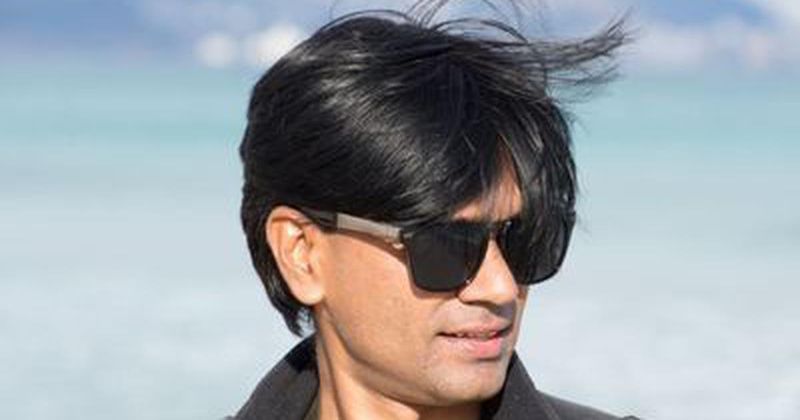

Following a controversial tweet, Mohammed Zubair, co-founder of Alt News, faces legal repercussions in the form of FIRs filed by the Delhi Police and Raipur Police. The complaints, based on a grievance by the National Commission for Protection of Child Rights (NCPCR), allege that Zubair harassed a minor through social media, raising questions about the misuse of legal mechanisms against journalists.
Context of the Complaint
On August 6, 2020, Mohammed Zubair shared a post on Twitter responding to online harassment from another user, Jagdish Singh. In his tweet, Zubair included a blurred image of a young girl alongside Singh’s profile picture, questioning whether Singh’s granddaughter was aware of his behavior online. This tweet sparked severe backlash, resulting in the NCPCR raising concerns about the implications for the minor mentioned in Zubair’s tweet.
Legal Proceedings
In light of the incident, the NCPCR lodged a complaint, ultimately leading to two FIRs being filed under the Protection of Children from Sexual Offences (POCSO) Act, the Information Technology Act, and provisions of the Indian Penal Code regarding electronic harassment. The filing of these FIRs indicates the seriousness of the allegations leveled against Zubair, but this move has also been criticized as an act aimed at suppressing dissent, particularly considering Zubair’s history of combating misinformation in Indian media.
Reactions and Consequences
The response from Zubair and Alt News has been assertive, with Zubair deeming the accusations “frivolous” and announcing plans to respond legally. Alt News issued a statement supporting Zubair, claiming that the legal actions against him are an attempt to intimidate and silence individuals who challenge prevailing narratives. Furthermore, Zubair’s emphasis on the legal misuse highlights broader concerns about the weaponization of legal frameworks against dissenting voices in contemporary political discourse.
Why This Matters
The situation surrounding Mohammed Zubair is emblematic of a larger trend in India where legal instruments are increasingly used against journalists and activists. The implications are significant for freedom of expression, press freedom, and the overall health of democracy in India. If the legal system is exploited to silence critical voices, it threatens not just individual journalists like Zubair but also public discourse and accountability in governance. The case serves as a litmus test for the robustness of India’s democratic institutions and their ability to protect citizens against harassment for exercising free speech.
Frequently Asked Questions
What are the specific charges against Mohammed Zubair?
Mohammed Zubair has been charged under section 509B of the Indian Penal Code for electronic sexual harassment, section 12 of the POCSO Act, and section 67 of the IT Act for publishing obscene material.
What prompted the NCPCR to take action against Zubair?
The NCPCR took action following a complaint from the Forum for Indigenous Rights- North-East India regarding Zubair’s tweet that allegedly implicated a minor girl in online harassment.
How has Alt News responded to the FIRs against Zubair?
Alt News has publicly criticized the FIRs as an attempt to misuse legal mechanisms to harass Zubair. They reiterated their support for Zubair, emphasizing that he has been a key figure in battling misinformation in the Indian media landscape.
What broader impact could this case have on journalism in India?
This case could set a worrying precedent for journalists in India, suggesting that those who challenge the status quo may face legal action rather than protection for their activities. It raises concerns about the future of press freedom and the ability of the media to operate independently.