
A recent tweet by Rishi Bagree has stirred controversy by suggesting that Sonam Wangchuk’s comments on a potential Chinese invasion of India were irresponsible. Bagree’s take suggests that Wangchuk was inciting violence during a fasting protest, but this interpretation has been disputed, particularly since it’s noted that Wangchuk was quoting a Ladakhi comedian, a context that Bagree allegedly omitted.
Context of the Controversy
Rishi Bagree, known for his provocative political commentary, recently posted a tweet that has drawn significant attention. He quoted Sonam Wangchuk, a prominent Ladakhi engineer and social activist, saying, “If China invades India through Ladakh, we will not stop China but will show the path to China getting inside”—a remark made during a fasting protest that Wangchuk was leading, which aimed to address pressing local issues in Ladakh amid broader geopolitical tensions. Bagree argues that Wangchuk’s comments were not only dangerous but also contributed to a volatile atmosphere that led to riots, resulting in loss of life.
The Missing Context
A key aspect that Bagree’s commentary overlooked is that Wangchuk was quoting a Ladakhi comedian, referencing a satirical take on the situation rather than advocating surrender. This important backdrop changes the nature of Wangchuk’s remarks and emphasizes that they were intended as a form of social critique rather than an actual strategy for handling aggression from China. Critics of Bagree argue that his selective editing of Wangchuk’s statements strips them of their humor and context, thereby spreading misinformation and potentially escalating tensions.
The Broader Political Landscape
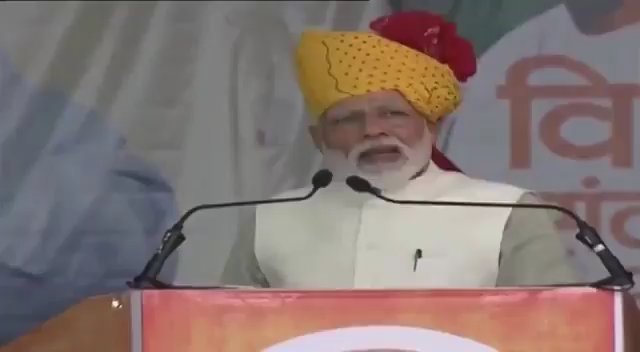
The comments made by both Modi and Wangchuk reflect a broader narrative surrounding India’s political landscape and its relationship with China, particularly in the context of the ongoing border disputes in Ladakh. Modi’s statement, “Main Pathan ka bachha hu,” quoted in a different context, underscores his political identity and connection to the region, as he attempted to evoke a collective historical narrative of resistance and resilience against aggression. The interplay between humor, social activism, and political commentary in this environment is increasingly complex and contentious, often leading to misunderstandings or misrepresentations in the public arena.
Why This Matters
The implications of this controversy are significant for Indian readers as it touches upon themes of national identity, the impact of social media on public discourse, and the role of cultural context in political commentary. Discerning facts from misleading interpretations is crucial in an age where misinformation can rapidly circulate and influence public opinion. Understanding the nuances behind remarks made by public figures helps cultivate a more informed citizenry, imperative for a healthy democracy. Furthermore, this incident demonstrates how regional issues and voices can be overshadowed by political narratives, which may exploit local sentiments for broader ends.
Frequently Asked Questions
What was the original quote by Sonam Wangchuk?
Sonam Wangchuk stated, “If China invades India through Ladakh, we will not stop China but will show the path to China getting inside,” during a protest. However, he was quoting a Ladakhi comedian, framing societal issues in a humorous context.
Why did Rishi Bagree tweet about Wangchuk’s comments?
Rishi Bagree aimed to criticize Wangchuk’s remarks, arguing that they were dangerous and contributed to violence during protests in Ladakh. His interpretation, however, omitted crucial context regarding the original intent of Wangchuk’s comments.
What is the significance of Modi’s quote about being a “Pathan”?
Modi’s quote, “Main Pathan ka bachha hu,” highlights his connection to historical narratives of resistance against external threats, reinforcing his political identity. It reflects broader themes of nationalism and regional pride that resonate in contemporary political discourse.
What are the implications of social media in shaping public opinion surrounding such controversies?
Social media platforms can amplify certain interpretations of events while minimizing others, leading to misinformation. This situation illustrates the need for critical analysis and context in understanding public commentary, especially in politically charged environments.