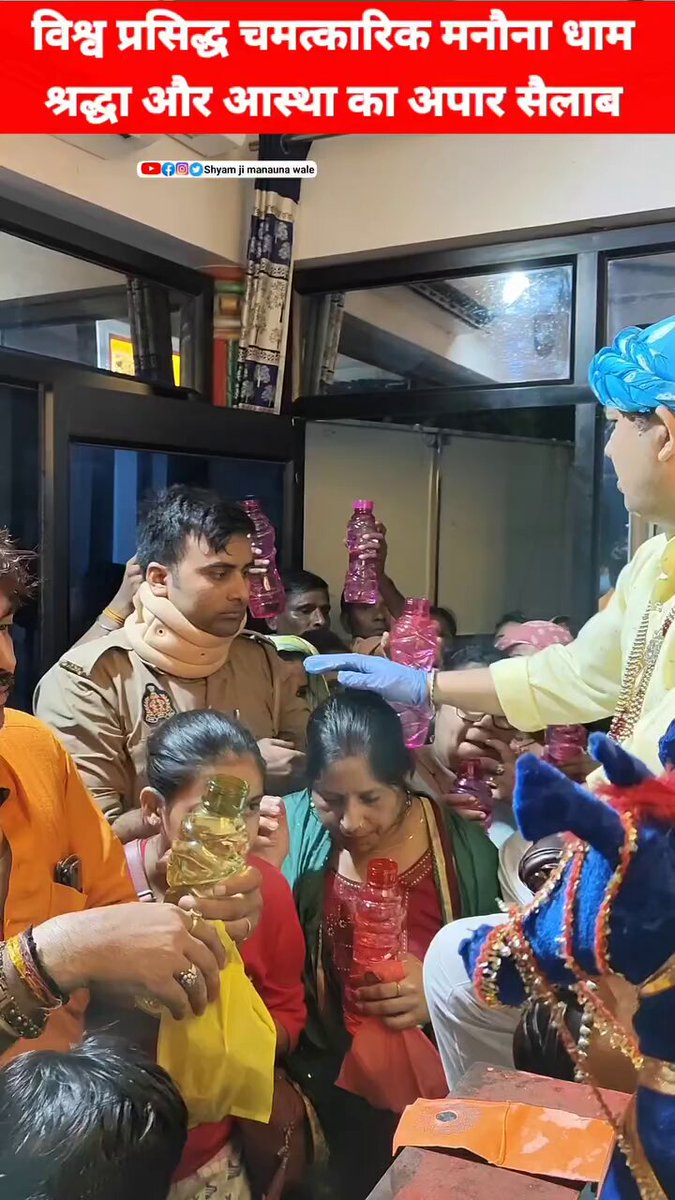

In a striking shift from activism and motivational speaking to spiritual healing, Omendra Chauhan, now known as Baba Manauna Dham Sarkaar, claims to cure serious ailments, including cancer, simply by sprinkling water. His self-proclaimed superiority over established medical professionals has raised eyebrows, igniting discussions about the credibility of alternative healing practices in India.
Background on Baba Manauna Dham Sarkaar
Omendra Chauhan, previously known as an activist and motivational speaker, has made a controversial transition into the realm of spiritual healing. Renaming himself Baba Manauna Dham Sarkaar, he advocates a practice resembling a faith-based alternative to conventional medicine. This change has drawn attention, particularly for his claims of curing numerous diseases, including life-threatening conditions like cancer, merely by using water.
This kind of spiritual healing is not without precedent in India, where many such figures exist, often gaining large followings. However, the boldness of Baba Manauna’s assertions—claiming to be “1,000 times more accomplished” than renowned heart surgeon Devi Shetty—challenges both medical ethics and public trust in healthcare systems. The stark contrast between established medicine and these spiritual claims raises important questions about patient safety and the role of belief in health treatment.
The Role of Alternative Healing in Indian Society
India has a rich tapestry of healing traditions, from Ayurveda and Yoga to homeopathy and various spiritual practices. While many people turn to these alternatives for holistic approaches to health and well-being, cases like Baba Manauna’s highlight a growing concern regarding the legitimacy and safety of such claims.
Parallels can be drawn with other individuals who have positioned themselves as miraculous healers, sometimes leading vulnerable individuals away from appropriate medical care. The sentimental value of faith healing often collides with medical science, which can lead to severe consequences, particularly in cases involving serious illnesses. This issue is magnified given India’s healthcare challenges, including access and affordability, making emotions surrounding health even more potent.
Public Response and Controversy
The public reaction to Baba Manauna’s claims has been one of skepticism and criticism. Various segments of society—including medical professionals, patient advocates, and rationalists—have condemned his practices as reckless or dangerous. Many emphasize the ethical responsibility that comes with claiming to heal people, especially those grappling with severe health conditions.
Moreover, the rise of figures like Baba Manauna reflects a broader trend of distrust toward institutionalized medicine, often exacerbated by socioeconomic disparities. This creates fertile ground for alternative claims that exploit hopes for quick and miraculous cures. Discussions surrounding Baba Manauna’s statements have served to reignite debates on healthcare ethics, misinformation, and the responsibilities of those who promote alternative healing practices.
Why This Matters
The emergence of figures like Baba Manauna Dham Sarkaar signifies profound implications for healthcare in India. As more individuals turn to alternative healing in search of solace, it is crucial to assess the impact on public health. The implications extend beyond personal belief; they reflect larger societal tensions regarding medical legitimacy and accessibility.
Politically, the situation underscores the need for robust regulatory frameworks governing alternative medicine. Protecting vulnerable populations from potentially harmful practices must be prioritized, positioning healthcare as a collective responsibility rather than an individual pursuit. For Indian readers, understanding the dynamics of faith-based healing versus conventional treatment is critical in navigating their own health journeys.
Frequently Asked Questions
Who is Baba Manauna Dham Sarkaar?
Baba Manauna Dham Sarkaar, formerly known as Omendra Chauhan, is a self-proclaimed healer who claims to cure serious diseases, including cancer, by sprinkling water.
What are the concerns surrounding his claims?
Critics argue that his claims could mislead vulnerable individuals away from necessary medical treatment, raising ethical questions about the responsibility of alternative healers.
How does this relate to the broader context of alternative medicine in India?
The rise of figures like Baba Manauna highlights existing societal challenges regarding trust in medical professionals and the search for holistic healing methods.
What should people consider when exploring alternative healing options?
Patients should critically evaluate the credibility of claims, consider consulting medical professionals, and prioritize their safety and well-being when exploring healthcare options.