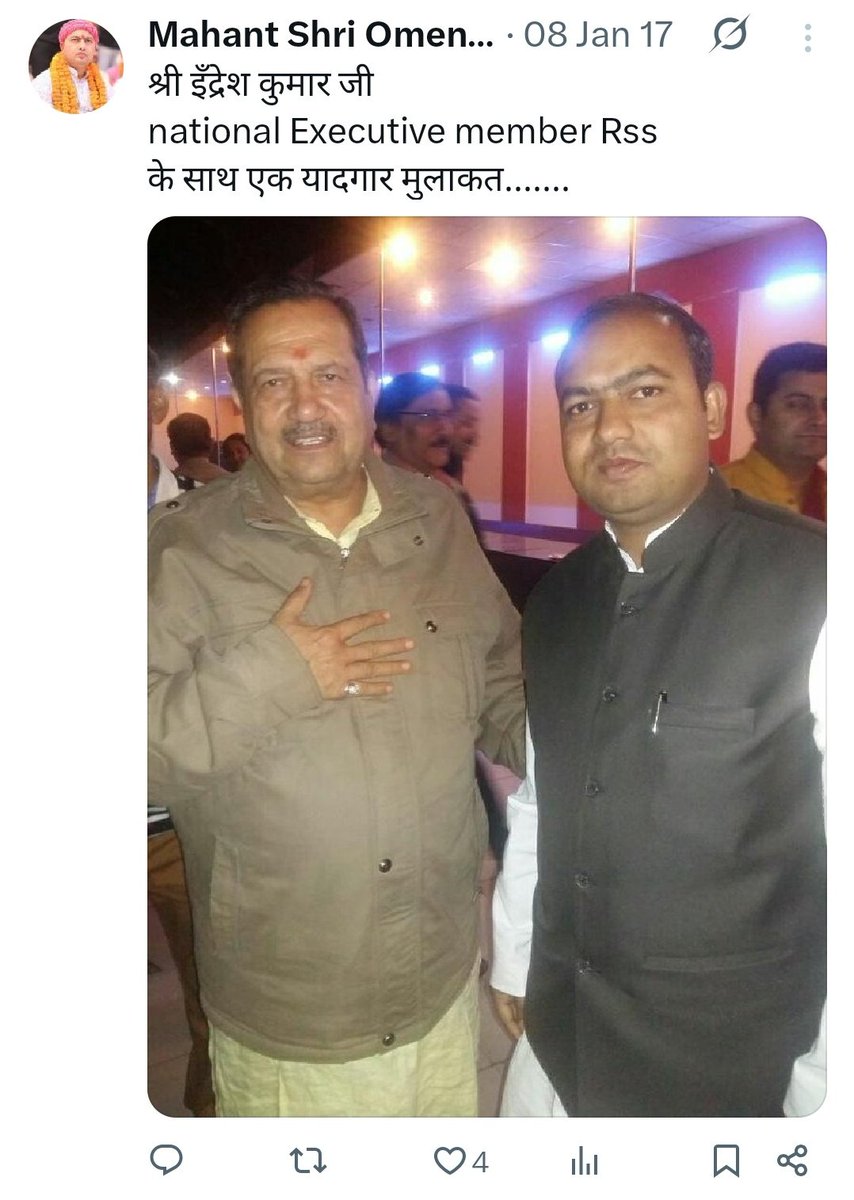

Former cancer specialist Omendra Singh Chauhan has transitioned into a spiritual leader known as Baba Manauna Dham Sarkaar amid the COVID-19 pandemic. He controversially claims to cure various diseases, including cancer, simply by sprinkling water, positioning himself as more accomplished than renowned surgeon Devi Shetty.
Omendra Singh Chauhan’s Transformation
Omendra Singh Chauhan, prior to his shift in profession, was recognized as a cancer specialist. His career path took a dramatic turn during the pandemic, as he adopted the title of Baba Manauna Dham Sarkaar. This transformation has raised eyebrows, particularly given the ongoing health crisis and the desperate need for credible medical professionals. His claims to heal serious illnesses through seemingly mystical methods have sparked debates and skepticism.
Chauhan’s approach reflects a growing trend in India where individuals with scientific backgrounds sometimes veer into spiritual or alternative healing practices. During the pandemic, many people turned to alternative treatments, often out of fear, desperation, or mistrust of established medical systems. Chauhan’s assertions utilizing simple water as a cure for complex diseases emphasize a troubling intersection between health and faith amid a global health crisis.
The Controversial Claims
Baba Manauna asserts that his spiritual practices have healed thousands, including those afflicted with cancer. In a world still grappling with the devastating effects of COVID-19, such claims can be both alluring and dangerous. The reliance on pseudoscience or unverified treatments in lieu of conventional medical advice poses significant risks to public health.
Chauhan’s self-comparison to well-respected figures in the medical community, such as Devi Shetty, highlights a perceived shift in value within society. As COVID-19 has underscored the fragility of life, many have gravitated toward spiritual leaders who promise comfort and healing, albeit without substantiated evidence. This trend raises ethical concerns about the responsibility such leaders have towards the health and well-being of their followers.
Public Reaction and Backlash
The public reaction to Chauhan’s transformation has been mixed. Supporters praise him for providing hope during difficult times, while critics argue that he is exploiting vulnerable individuals facing dire health challenges. Prominent activists like Mohammed Zubair have called out such practices, emphasizing the dangers of misinformation in healthcare.
Social media plays a crucial role in this discourse, with platforms like Twitter amplifying both his supporters and detractors. Videos circulating online showcase his claims, stirring further debate. As the conversation continues to unfold, it raises essential questions about medical ethics, the influence of social media, and the relationship between faith and health care in India.
Why This Matters
Chauhan’s emergence as a spiritual healer speaks volumes about the current landscape of healthcare in India. The blending of spirituality with medical claims highlights societal shifts in how people seek treatment and solace. Amidst widespread skepticism toward healthcare systems, figures like Chauhan can gain traction quickly, leading to potentially harmful practices becoming widely accepted.
This situation is not just a reflection of individual beliefs but also indicative of broader issues such as access to healthcare, trust in the medical community, and the socio-economic factors that play into health narratives in India. Understanding these dynamics is crucial for navigating future healthcare initiatives and policies, particularly in a nation where traditional beliefs often intertwine with modern medical practices.
Frequently Asked Questions
Who is Omendra Singh Chauhan?
Omendra Singh Chauhan was a cancer specialist who has transitioned into a spiritual leader known as Baba Manauna Dham Sarkaar, claiming to cure various diseases through spiritual practices.
What are his claims regarding health cures?
Chauhan claims to treat thousands of diseases, including cancer, simply by sprinkling water, asserting that he is more accomplished than established medical professionals like Devi Shetty.
Why is his transformation controversial?
His shift from a respected medical professional to a spiritual leader raises ethical concerns, particularly as he promotes unverified treatments at a time when the public seeks credible medical guidance, especially during the ongoing impacts of the COVID-19 pandemic.
What is the public’s reaction to his claims?
Reactions are divided; some support him for providing hope during troubling times, while others criticize him for exploiting vulnerable individuals and spreading misinformation about healthcare.