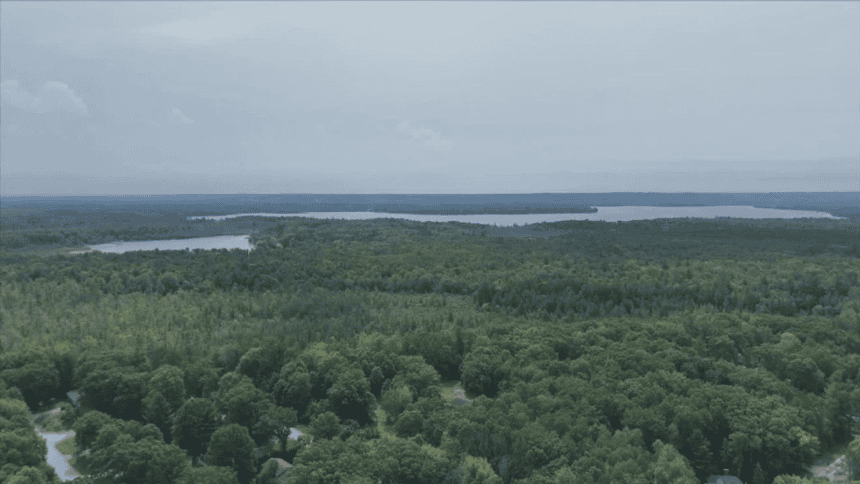

An Air Quality Alert has been issued for Northern Michigan due to elevated smoke levels from active wildfires in Canada. Residents in the region are advised to limit outdoor activities, especially those susceptible to respiratory issues.
The Impact of Canadian Wildfires
As of July 14, there are approximately 800 active wildfires across Canada, with smoke expected to travel into parts of Northern Michigan. This influx of smoke is prompting health alerts, particularly for sensitive groups, indicating possible health risks for those with pre-existing conditions.
The conditions are classified as being in the ‘unhealthy for sensitive groups’ range, which may include children, the elderly, and individuals with lung diseases or heart conditions. It is crucial for these populations to take precautions to safeguard their health during such episodes.
Health Risks and Recommendations
According to health experts, symptoms to watch for during this air quality alert include wheezing, coughing, chest tightness, dizziness, and irritation in the eyes, nose, or throat. Those affected are urged to stay indoors when possible and refrain from strenuous outdoor activities.
For more detailed guidance on how to protect yourself from wildfire smoke, you can visit the EGLE website. It’s vital to stay informed about local air quality levels, especially during wildfire season.
Forecast and Further Developments
The Upper Peninsula of Michigan is expected to feel the effects of the smoke starting around midnight Wednesday, with conditions predicting a southward movement into the northern Lower Peninsula. Air quality issues may persist into Thursday and potentially beyond, according to the MiAir.
The ongoing wildfires and the resultant plumes of smoke serve as a cautionary reminder of the far-reaching effects of wildfires, with air quality being compromised even in distant regions.
Why This Is Trending
The topic of air quality, particularly in relation to wildfires, is currently trending as more people are becoming aware of the link between climate change and increased wildfire activity. With the summer season now in full swing and heightened risks of respiratory issues, individuals are actively seeking information to safeguard their health. Furthermore, as many people plan outdoor activities in the summer, understanding the air quality status has become essential for safe enjoyment.
Frequently Asked Questions
What should I do if I experience symptoms from wildfire smoke?
If you experience symptoms such as wheezing, coughing, or dizziness, it is advised to seek medical attention immediately and stay indoors to limit exposure to smoke.
How long can we expect poor air quality to last?
Air quality concerns are expected to linger through Thursday and potentially longer, depending on weather patterns and the status of the wildfires.
Are children and the elderly more at risk from smoke exposure?
Yes, individuals in these groups are generally more susceptible to the harmful effects of smoke, and it is strongly recommended that they limit outdoor activities during such alerts.
Where can I find real-time updates on air quality?
Real-time updates can be accessed through the EGLE website or the MiAir platform.