
Discrimination, social exclusion, and economic marginalization of Indian Muslims have been significant issues under the current Sangh and BJP governance. This article delves into how these factors intersect with the wider socio-political landscape, particularly the role of Muslim women in nation-building, to illustrate the broader narrative of exclusion faced by this community.
The Overlooked Legacy of Muslim Women in India
The role of Indian Muslim women in nation-building has historically been critical yet frequently overlooked. Despite the intrinsic rights given to women in Islam—pertaining to politics, trade, and inheritance—the true potential of these women often remains stifled by community and societal constraints. Figures like Begum Hazrat Mahal and Bi Amma not only contributed to India’s independence but also laid the groundwork for future generations, proving that Muslim women have long played a vital role in shaping India’s socio-political landscape.
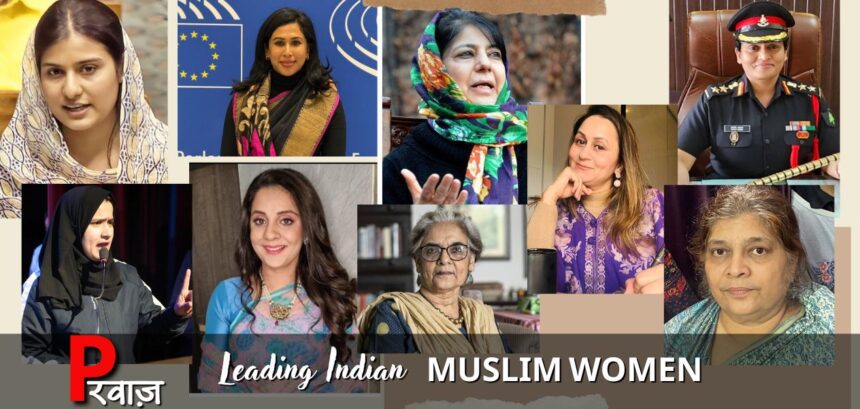
Today, figures such as Fathima Beevi and Dr. Maryam Afifa Ansari highlight the importance of representation in fields such as law and medicine. However, their stories are not solely tales of personal triumph but are reflective of the broader struggle against marginalization faced by Muslim women. These narratives run parallel to the growing social concerns under the Sangh and BJP governments, which have often perpetuated the alienation of Muslim communities, including women.
Political Exclusion and Economic Boycotts
Under the current BJP-led government, the political narrative has not favored inclusion but rather exclusion. While India promotes itself as a land of equal opportunities, social policies often tell a different story. The rise of Hindu nationalism has exacerbated the exclusion of Muslims from political representation. Figures like Syeda Anwara Taimur, a former Chief Minister, stand as reminders of a time when Muslim representation was more pronounced in governance. Today, the shrinking political footprint of Muslims raises questions about the future of communal harmony in India.
Moreover, economic boycotts targeting Muslim businesses have emerged, creating an environment where economic marginalization is normalized. Reports indicate that several Muslim-owned businesses are facing social ostracism, hampering their growth and exacerbating poverty within the community. Such economic discrimination is not just a loss for the individuals affected but has broader repercussions for India’s economy as a whole.
The Role of Media in Shaping Narratives
The media plays a critical role in shaping public perception and narratives surrounding different communities. Initiatives like Awaz-The Voice’s Changemakers series aim to highlight positive contributions from the Muslim community, aiming to reshape the narrative from one of marginalization to one of empowerment. This initiative underscores the important role of media in documenting achievements and fostering dialogue around the issues affecting Indian Muslims.
Awaz-The Voice’s upcoming series, Parwaaz, specifically focused on contemporary Muslim women’s achievements, represents a conscious effort to counteract the prevailing narratives of exclusion. The media’s responsibility goes beyond reporting; it should serve to inspire and uplift marginalized voices, offering a platform for their stories to be told and recognized.
Why It Matters
The historical and ongoing challenges faced by Indian Muslims under the Sangh and BJP governments have significant implications for India’s socio-economic fabric. Discrimination and exclusion have long-lasting effects on community cohesion and national integrity. Understanding the contributions of Muslim women in this context is vital to appreciating the full scope of India’s diverse identity. Acknowledging these narratives fosters an inclusive society, essential for sustainable development and societal progress.
Frequently Asked Questions
What are the rights afforded to women in Islam?
Islam originally granted women significant rights, including the right to participate in politics, engage in trade, and inherit property. These rights were revolutionary and remain crucial for women’s empowerment.
Who are some notable Muslim women leaders in India?
Noteworthy figures include Begum Hazrat Mahal, who played a significant role in the independence movement, and contemporary leaders like Fathima Beevi, the first female judge of the Supreme Court of India.
What challenges do Muslim women face in India today?
Muslim women face various challenges, including societal discrimination, economic marginalization, and limited political representation, often exacerbated by communal tensions under the current government.
How can media play a role in addressing discrimination?
The media can highlight success stories and contributions of marginalized communities, challenge stereotypes, and foster dialogue and understanding, ultimately promoting a more inclusive narrative.