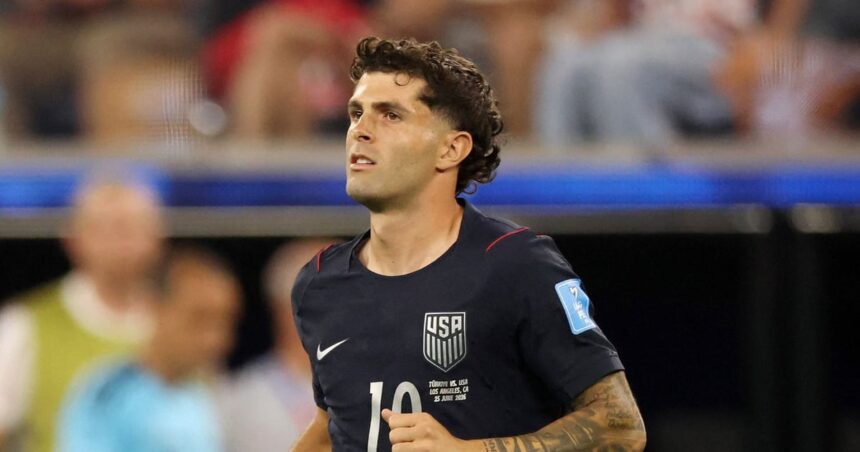

Turkey faced disappointment in their opening match of the ongoing tournament against Australia, raising concerns about their offensive strategy, despite a roster teeming with talent. The team’s reliance on a traditional setup may hinder their performance against faster, more agile opponents.
A Reflection on Turkey’s Squad Dynamics
As fans and analysts excitedly anticipated Turkey’s squad, the hope resided in its abundance of creative playmakers. With up to five players capable of donning the coveted No. 10 jersey, Turkey’s attacking prowess seemed secure. However, their defeat showcased a sobering reality: without pace in wide areas and a dependable striker who can handle pressure, such potential can evaporate quickly. The spotlight is now on the coaching staff to adapt strategies that leverage the squad’s strength while addressing glaring weaknesses.
Comparing Past and Present Play Styles
This brings to mind the 1994 World Cup, a moment in football history where playmakers dominated the field. The nostalgia for that era often highlights how teams relied on classic styles, characterized by two distinct haircuts among players. Fast forward to today, and the game has evolved significantly. Turkey’s challenge lies in merging traditional playmaking skills with modern requirements—like speed and agility—to compete on the global stage. Historical comparisons can provide insights, but adaptability is key to success in contemporary football.
The Role of Strikers in Modern Football
A critical analysis of Turkey’s front line reveals the need for a striker who can thrive under pressure. The current situation has shown that forwards who seem startled when the ball arrives lack the necessary instincts that top-tier strikers possess. In pivotal moments, a calm presence in the box can be the difference between winning and losing. Turkey’s future games will test whether they can find such a player within their ranks, or if they need to alter their tactical approach to accommodate their existing talent.
Why This Is Trending
Interest in Turkey’s football performance is surging in India as the nation increasingly embraces international football tournaments. With the World Cup capturing the public’s imagination, fans are keenly observing teams beyond the usual powerhouses. Turkey’s blend of potential and recent disappointments resonates with Indian viewers, many of whom are enthusiastic about underdog stories. Analysts and fans alike are debating tactical frameworks, hoping their discussions may reflect new strategies that could alter tournament outcomes.
Frequently Asked Questions
What went wrong for Turkey in their opening match against Australia?
Turkey struggled to effectively utilize its player talent, particularly in pacing and execution. The absence of dynamic wingers and an assertive striker limited their attacking capabilities.
What historical context is important when discussing Turkey’s football?
The 1994 World Cup marked a significant period in football history where traditional roles, such as the playmaker, were vital for team success. Insights from this era can help current teams re-evaluate their strategies.
How can Turkey improve their chances in upcoming matches?
Turkey needs to enhance their tactical flexibility, prioritize speed in wide areas, and find a striker capable of handling pressure. Adapting their strategy to current football trends is essential.
Why are Indian fans interested in Turkey’s football performance?
As Indian fans embrace international football more vigorously, there is a growing curiosity about lesser-known teams like Turkey. The excitement around potential upsets and underdog stories draws in viewers looking for diverse narratives in football.