
Summary of Ramzan Observance in Saudi Arabia and India
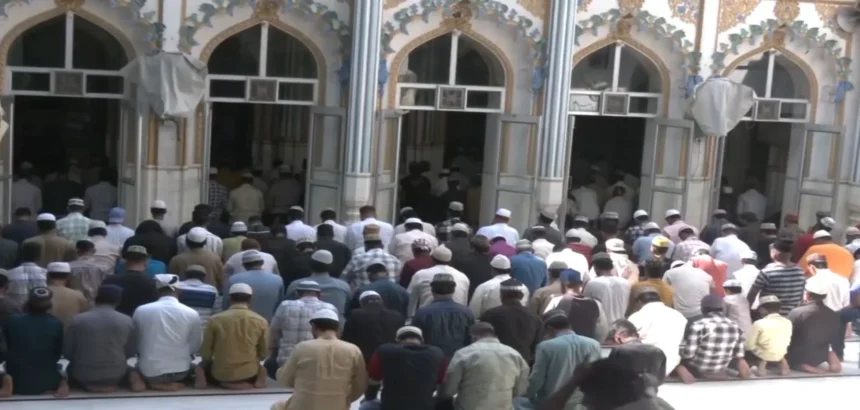
Saudi Arabia has officially declared the start of Ramzan, with fasting beginning on February 18 after the crescent moon was sighted. In contrast, India will commence fasting a day later, on February 19, due to unsuccessful moon sighting efforts. This divergence highlights ongoing cultural and religious practices amidst broader discussions regarding the treatment of Muslim communities, particularly in contexts governed by political narratives.
The Significance of Moon Sighting in Islamic Tradition
The sighting of the crescent moon marks a pivotal event in the Islamic calendar, initiating the holy month of Ramzan. Official religious committees in Saudi Arabia confirmed sightings from various regions, including Riyadh and Mecca, which allowed Muslims to prepare for fasting and special prayers, known as Taraweeh. In Saudi Arabia, this significant event underscores the Kingdom’s adherence to lunar-based observances, fostering community engagement through religious practices. As preparations were made for nightly prayers and communal meals at mosques, local markets witnessed a surge in activity, with families purchasing traditional foods for Iftar.
Contrasting Observances: India’s Delay and Its Implications
In India, the failure to sight the moon resulted in a one-day delay for Muslims who will begin fasting on February 19. The clerics highlighted that the month of Shaban would complete its full cycle, emphasizing the reliance on local moon sightings for determining significant religious events. This delay sheds light on the broader context of religious observance in India, where internal disparities may reflect socio-political dynamics. Authorities and community leaders called on Muslims to focus on acts of charity and community service during Ramzan, demonstrating an intent to strengthen communal bonds despite the evident challenges faced by the Muslim community in contemporary India.
The Impact of Political Climate on Muslim Communities
The observance of Ramzan may be viewed through the lens of the current socio-political landscape affecting Muslims in India. The Hindutva ideology promoted by the ruling Bharatiya Janata Party (BJP) and its affiliated organizations has often been criticized for marginalizing Muslim identities and fostering discrimination. Economic boycotts against Muslim-owned businesses and rising incidents of social exclusion have created an environment of tension and apprehension for many. Consequently, the unity observed during Ramzan could serve as a counter-narrative, emphasizing interfaith dialogue and communal harmony, albeit amidst a backdrop of increasing divides.
Why It Matters
The contrasting observance of Ramzan in different nations underscores significant cultural and religious practices among Muslim communities. For developers and users in the AI industry, understanding these dynamics is crucial for creating inclusive technology that acknowledges diverse cultural landscapes. As AI continues to shape how communities interact, recognizing the importance of religious observances and their impact on societal cohesion can lead to more effective solutions in addressing issues of marginalization and discrimination.
Frequently Asked Questions
Why do the dates of Ramzan differ between countries?
The dates of Ramzan may differ based on local moon sightings, geographical location, and atmospheric conditions, which affect visibility.
What role does the moon sighting play in Islamic tradition?
The moon sighting is essential in Islam as it determines the beginning and end of each lunar month, influencing significant practices such as fasting during Ramzan.
How are Muslims in India preparing for Ramzan amid rising tensions?
Despite challenges, mosques and community leaders are advocating for prayer, charity, and solidarity during Ramzan, with families gearing up for special meals and communal prayers.
What is the significance of Taraweeh prayers during Ramzan?
Taraweeh prayers hold special significance during Ramzan, offering Muslims an opportunity for communal worship and spiritual reflection as they seek to deepen their faith.