
US Open to Diplomacy with Iran Amid Ongoing Tensions
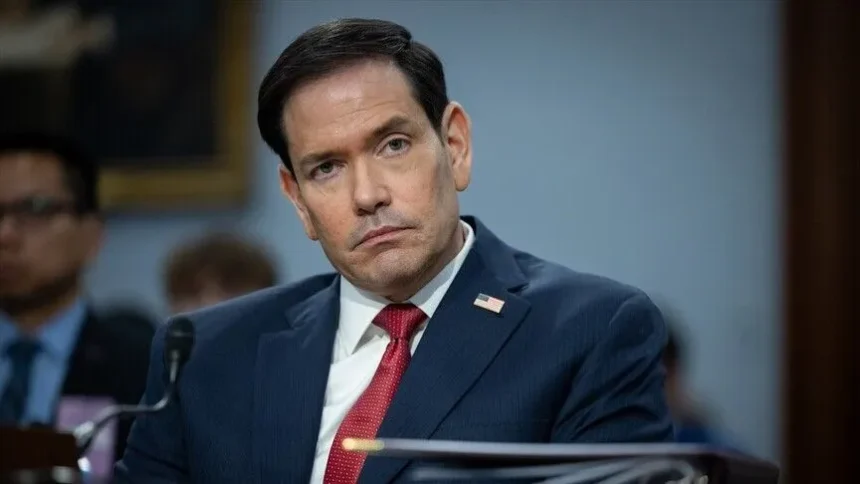
In a recent statement at the ASEAN meeting in Manila, US Secretary of State Marco Rubio confirmed that the United States remains open to diplomatic engagements with Iran, despite rising tensions following military confrontations. He highlighted the necessity for both parties to be serious about negotiations to resolve their differences effectively.
Commitment to Diplomatic Solutions
Rubio emphasized that the Biden administration is committed to engaging in constructive dialogue, stating, “The United States is always committed to diplomacy.” He noted that Iran has been in communication with Washington regarding potential discussions but expressed frustration with their level of seriousness in pursuing these talks. The Secretary of State urged that any diplomatic efforts will be contingent on Iran’s willingness to adhere to agreements made in the negotiation process.
“If they’re serious, we’re serious. If they’re not, then we will do what is necessary to protect our interests and also the interests of our allies,” Rubio said, underlining that military action could be on the table if a diplomatic resolution fails.
Strategic Concerns Over the Strait of Hormuz
A focal point of concern for the US is the Strait of Hormuz, a crucial maritime passage for global oil shipments. Rubio warned against any attempts by Iran to control this international waterway. “If we create a precedent in the Middle East where a nation state can decide that they are going to control an international waterway… we have created a very dangerous precedent,” he added. Such a shift could set troubling examples for maritime laws and international trade routes globally.
The statement comes amid increasing regional tensions, particularly following a joint offensive by the US and Israel against Iranian targets that began in February. This has provoked retaliatory actions from Iran, leading to drone and missile strikes targeting Gulf nations housing US military assets. The US Central Command reported that it conducted its 11th consecutive night of strikes against Iranian positions in response to these threats.
Escalating Military Engagement and Casualties
The military operations have not been without significant costs. U.S. Defense Department figures indicate that 18 service members have been killed and 447 injured since the escalation began on February 28. This underscores the ongoing human cost of the heightened confrontations, raising questions about the long-term sustainability of military engagements in the region without an underlying diplomatic framework.
Additionally, last month, the US and Iran signed a memorandum of understanding mediated by Pakistan, aiming to stabilize the fractious relationship and end their ongoing conflict. However, renewed hostilities last week regarding the Strait of Hormuz have brought renewed urgency to the situation, demonstrating that while talks may occur, tangible progress remains elusive.
Why It Matters
The implications of US-Iran relations are critical, not just regionally but globally. For the AI industry, developers, and users, the geopolitical climate can influence technology trends, including cybersecurity, as tensions between nation-states rise. These external pressures may drive companies to alter their operational strategies and data protection policies to mitigate risks associated with international conflicts. Moreover, regional instability could affect energy prices and supply chains, subsequently impacting tech projects reliant on stable energy supplies and logistical frameworks.
Frequently Asked Questions
What is the significance of the Strait of Hormuz?
The Strait of Hormuz is a vital shipping lane through which a significant percentage of the world’s oil supply is transported. Control over this waterway is critical for both global energy security and international trade.
What did Secretary Rubio say about US-Iran negotiations?
Rubio stated that the US is committed to diplomacy and is open to serious discussions with Iran as long as both parties respect the commitments made. He stressed that failure to adhere to agreements would lead to consequences.
How has military engagement impacted US service members?
Since the escalation of conflict beginning on February 28, 18 US service members have died, and 447 others have been injured, highlighting the dire human cost of the ongoing military involvements in the region.
What was the outcome of the recent US-Iran memorandum of understanding?
The memorandum, signed last month with Pakistani mediation, aimed to cease hostilities and secure a lasting peace agreement; however, renewed escalations have complicated these efforts, indicating that tension persists.