
Colin Farrell Discusses Death and Aging on ‘The View’
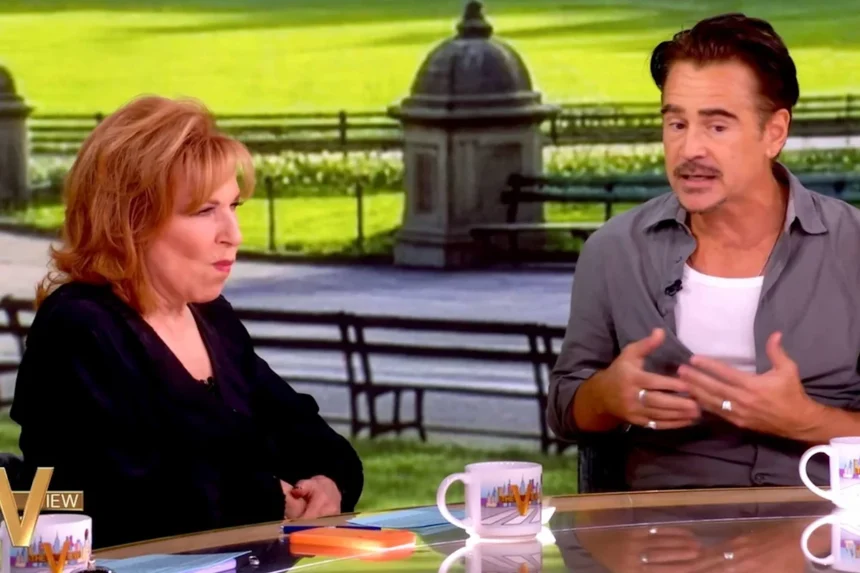
During a recent appearance on The View, actor Colin Farrell candidly discussed themes of aging and mortality with cohost Joy Behar, sparking a lively and thought-provoking conversation. This lively exchange touched on the significance of discussing death openly, a subject often considered taboo.
A Candid Conversation on Mortality
Colin Farrell, known for his role in the series Sugar, engaged in a compelling dialogue about turning 50 this year. When Behar questioned him about reaching this milestone, he turned the conversation towards the inevitability of death, making a light-hearted yet poignant remark: “the grim reaper is coming” for her at some point. This remark drew laughter but also prompted deeper thoughts about the nature of life.
Farrell asserted, “Life is so short. If you’re lucky to live to 80 or 90, it’s just a blip.” He expressed that while he enjoys getting older, he believes society doesn’t talk about death enough. Behar, in agreement, added her own light-hearted touch by singing a line from Dreamgirls saying, “Not me! I’m not going.” Farrell, undeterred, poignantly responded, “That grim reaper is coming for you as well, sister! All of us!”
The Humor Amidst Seriousness
The conversation balanced humor with gravity, showcasing how discussions about death can be approached light-heartedly while still being serious. Farrell emphasized that conversations about mortality shouldn’t be viewed as daunting. He expressed unease with the idea of death despite his fascination with aging, stating, “I don’t want to die! I want life to slow down.”
The discussion took an unexpected turn when Farrell jokingly mentioned how turbulence in airplanes leads to him feeling anxious, saying, “I s— myself” before being censored on-air. This candid vulnerability sparked laughter and highlighted the human fear surrounding mortality.
Implications for Popular Culture
This dialogue sheds light on a broader cultural trend where celebrities use platforms to discuss heavy topics like death and mental health. These conversations resonate with audiences who may feel overwhelmed by societal expectations regarding aging and longevity. Farrell’s openness is especially impactful as it normalizes discussions about aging in Hollywood, a place often preoccupied with youth.
Farrell stressed that such discussions should not be intimidating—calling for more openness about our fears and anxieties. This approach aligns with celebrities like Whoopi Goldberg, who have previously emphasized that death is a universal experience everyone will face. The normalization of talking openly about death and legacy, especially in high-profile settings, signals a shift in cultural attitudes.
Why This Is Trending
In India, discussions around mortality and aging have gained traction, especially as more people are acknowledging mental health and existential concerns. The dialogue, led by public figures, encourages audiences to confront topics they might otherwise avoid. The rising interest in celebrity interviews where these subjects are covered signifies a cultural shift toward being more open about mortality, resonating deeply with Indian audiences who often grapple with similar fears and questions.
Frequently Asked Questions
What prompted Colin Farrell’s discussion about death on ‘The View’?
Colin Farrell’s conversation was sparked by cohost Joy Behar asking him about turning 50, which transitioned into a broader talk about mortality and the inevitability of aging.
How did Joy Behar react to Colin Farrell’s comments about the grim reaper?
Behar initially joked about not wanting to go anytime soon, lightening the mood, but ultimately engaged with Farrell’s serious perspective on the subject.
What was Colin Farrell’s overall message about aging and life?
Farrell emphasized the importance of discussing death openly, suggesting that while he loves getting older, he still fears death and wishes life could slow down. He believes these conversations shouldn’t be daunting.
Why are conversations about aging becoming more common in media?
As societal norms evolve, many public figures and celebrities are beginning to openly discuss aging and mortality, reflecting a growing cultural acceptance of these topics and resonating with broader audience concerns.