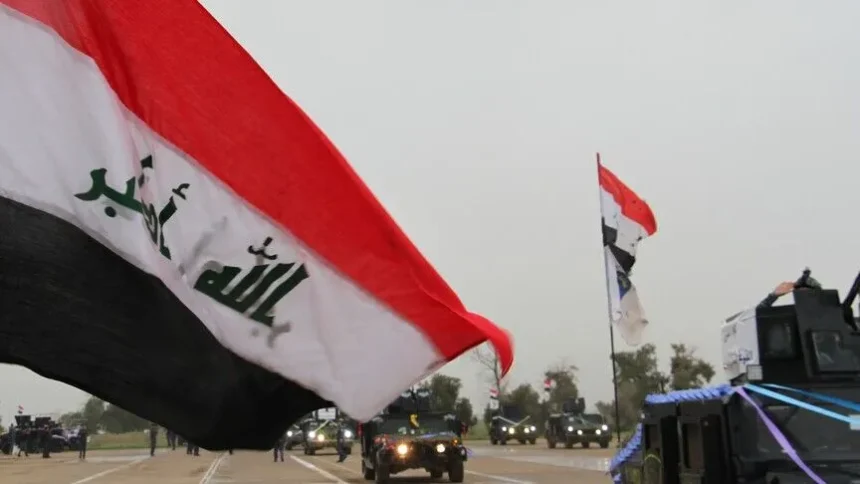

The Iraqi government is firmly committed to centralizing military power and ensuring all weapons are under state authority as it prepares for the upcoming withdrawal of the US-led Global Coalition. This initiative aims to solidify the state’s control over armed forces and transition national security responsibilities to Iraqi security entities.
The Centralization of Military Power in Iraq
Maj. Gen. Sabah Al-Numan, spokesperson for Iraq’s Commander-in-Chief of the Armed Forces, announced ongoing negotiations with various armed factions regarding the transfer of weapons to state authority. He affirmed that there has been little to no resistance to this weapons-transfer initiative. The establishment of a central committee overseeing this process has reportedly made significant strides, with weapons already being catalogued and secured in designated storage.
The motivation behind this effort stems from Prime Minister Ali al-Zaidi’s broader strategy to consolidate military and security decisions within the state. Iraqi authorities maintain that any weapons operating outside official state institutions pose a risk to national stability and cannot be condoned. The urgency of this initiative is heightened by the imminent September 30 deadline for the US-led Coalition’s military withdrawal.
Coalition Support and Political Implications
The Iraqi State Administration Coalition, comprising major political forces from Shiite, Sunni, and Kurdish backgrounds, has publicly supported the government’s policy. They have expressly warned that armed groups that choose to operate independently after the September deadline could face legal consequences under Iraq’s counterterrorism laws. This stance reflects a unified political approach to reducing the power of non-state armed groups, highlighting the complexities surrounding the country’s security landscape.
As the government navigates this sensitive transition, several armed factions have already shown willingness to submit their arms and personnel to the state. Notably, the Asaib Ahl al-Haq faction has recently handed over weapons from one of its bases south of Baghdad. However, some groups are hesitant and demand conditions for relinquishing their arms, illustrating the deep-seated divisions and tensions present within Iraqi society.
The Challenge of a Fragmented Security Landscape
Despite the formal integration of the Popular Mobilization Forces into the state security apparatus, many armed groups retain significant influence in Iraq, complicating the central government’s efforts. The weapons issue remains a politically sensitive point as the government strives to diminish independent armed activities while enhancing the credibility and authority of national security institutions.
Furthermore, as Iraqi security forces prepare to take full responsibility for national security, the government is recalibrating its international relations. Future interactions with coalition countries are expected to focus more on bilateral security and intelligence collaboration, which is critical for maintaining stability during this transition period.
Why It Matters
The implications of Iraq’s consolidation of military power extend beyond national security; they resonate within the larger context of regional stability and international diplomatic relations. As the Iraqi government seeks to centralize authority, the outcome will largely influence the dynamics among various political factions and armed groups. The effectiveness of this initiative could serve as a benchmark for governance and control in a region where state authority often faces challenges from non-state actors.
Moreover, the situation is pertinent for understanding the complexities of post-conflict reconstruction in the Middle East. The success or failure of this weapons-transfer initiative may set a precedent for similar efforts in other conflict-affected nations seeking to restore state authority and public trust in security institutions.
Frequently Asked Questions
What is the significance of the September 30 deadline?
The September 30 deadline coincides with the planned completion of the US-led Global Coalition’s military withdrawal from Iraq, marking a critical transition point for the Iraqi government to assert control over national security.
What challenges does Iraq face in consolidating military power?
Iraq’s government faces challenges due to the significant influence wielded by various armed factions, which may resist surrendering their weapons and autonomy. Navigating these complexities is crucial for the government’s success.
How are armed groups responding to the weapons-transfer initiative?
While some groups, like Asaib Ahl al-Haq, have cooperated with the weapons transfer, others have expressed resistance and demanded conditions, indicating a divided landscape among Iraq’s armed factions.
What are the implications for Iraq’s national security?
The initiative aims to strengthen national security institutions by reducing the number of independent armed groups, which could enhance the Iraqi government’s control over security matters and promote stability within the country.