
A woman was injured by a brown bear while hiking in Bear Valley, Alaska, highlighting rising tensions between wildlife and human activity in outdoor spaces. The incident is a stark reminder of the growing challenges faced by hikers and campers in bear-populated areas.
The Incident: A Closer Look
On a Saturday evening around 5:30 p.m. local time, an unidentified woman was hiking on a trail above Bear Valley, south of Anchorage. She was accompanied by another individual and three dogs when they unexpectedly encountered a brown bear. The Alaska Department of Fish and Game reported that high winds and poor visibility conditions at the time may have surprised the bear, contributing to the attack.
Authorities confirmed that the bear fled the area after the encounter. First responders arrived promptly and found the woman suffering from non-life-threatening injuries. She was assisted off the trail and subsequently transported to a local hospital for treatment.
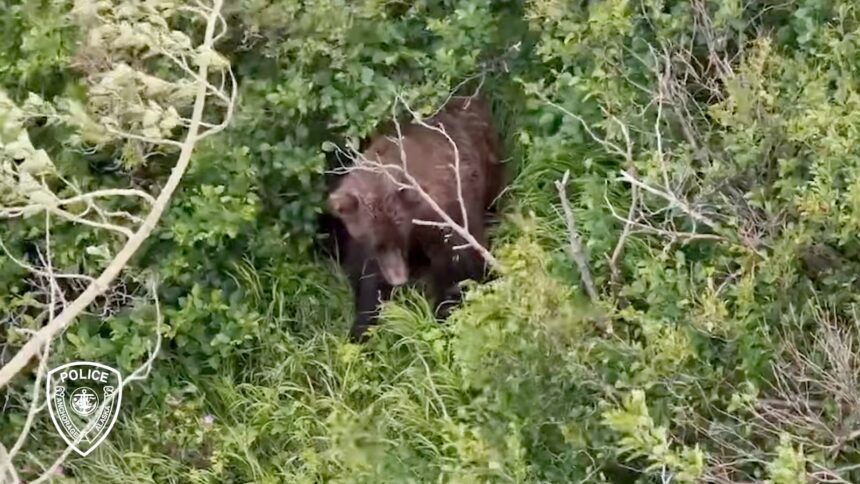
In a bid to ensure the safety of other hikers and pets in the area, police utilized drone technology to track the bear and assess the situation, confirming that it posed no further risk.
Recent Bear Encounters in Alaska
This incident follows another alarming bear attack that occurred just over a week prior, when another woman was attacked by a bear on her front porch in Alaska. This woman had attempted to scare the adult bear and its cubs away from her dogs by wielding a shotgun but was unsuccessful, resulting in hospitalization. The bears eventually retreated when a nearby person intervened.
These recent attacks have contributed to growing concerns among locals and outdoor enthusiasts about the safety of bears and humans coexisting in close proximity. Alaskan authorities are advocating for heightened awareness and caution among residents and visitors, especially during the bear’s active seasons.
Understanding Bear Behavior
Bears are often encountered in national parks and mountainous regions where human activities intersect with their habitats. To reduce the frequency of dangerous bear encounters, experts recommend several safety measures:
- Make noise while hiking to alert bears of your presence.
- Avoid hiking alone, particularly in bear-inhabited regions.
- Carry bear spray and be prepared to use it as a deterrent if necessary.
- Keep food stored and out of reach to avoid attracting bears.
Bear encounters, though terrifying, can often be mitigated with proper precautions, highlighting the importance of awareness and education among outdoor enthusiasts.
Why This Is Trending
Indian audiences are increasingly interested in stories about wildlife encounters, especially as adventure trekking and outdoor expeditions gain popularity. With more Indians traveling to areas known for their rich biodiversity, such incidents serve as a crucial reminder of the inherent risks associated with these activities. Furthermore, the evolution of social media means that such events quickly gain attention, prompting discussions about wildlife conservation and safety strategies among hikers and campers in India.
Frequently Asked Questions
What should I do if I encounter a bear while hiking?
If you encounter a bear, remain calm and do not run. Speak softly to the bear while slowly backing away. Use bear spray if the bear approaches.
Are bear attacks common?
Bear attacks are relatively rare, but they do occur, especially when bears feel threatened or surprised. Awareness and caution significantly decrease the likelihood of an encounter.
What can be done to prevent bear encounters?
To prevent bear encounters, hikers should make noise, travel in groups, and store food securely. It’s also advisable to research local bear activity before traveling to certain areas.
How can I stay safe while trekking in bear country?
Staying safe involves understanding bear behavior, having proper gear like bear spray, and being prepared to handle an encounter. Familiarize yourself with the area and follow local guidelines for bear safety.