
Summary
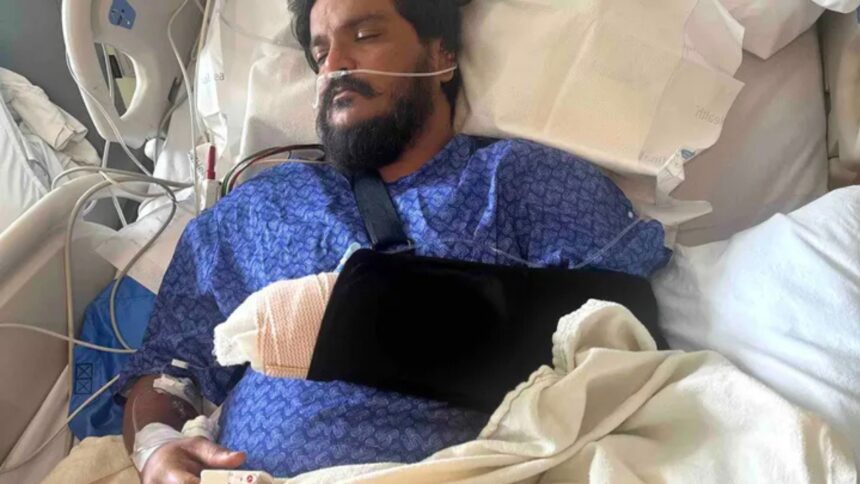
An alarming incident involving an Indian-origin Muslim man, Syed Sohail Uddin, occurred at a shopping mall in Utah. Uddin was brutally attacked in what authorities are treating as a religiously motivated assault, highlighting ongoing issues of discrimination and violence against minorities in the United States.
Details of the Attack
On a fateful Monday at Valley Fair Mall in West Valley City, Syed Sohail Uddin, who was working at a kiosk, was targeted by 48-year-old Peter Michael Larsen. Court documents reveal that Larsen approached Uddin, inquired about his faith, and then launched a violent assault, inflicting over 15 stab wounds. Remarkably, bystanders intervened, subduing Larsen and preventing further harm to Uddin.
Witnesses reported that during the attack, Larsen stated his intent to kill Uddin because he was Muslim, emphasizing the religious motivations behind such violence. After being restrained, Larsen was arrested on charges of attempted murder and carrying a prohibited weapon. Authorities expressed concern about Larsen’s extremist beliefs; he was previously on parole for a violent felony.
Community Response and Its Implications
The attack has sent shockwaves through the local Muslim community and beyond. Imam Shuaib Din of the Utah Islamic Centre condemned the violence, calling it unprecedented in severity against Utah’s Muslim community. This incident has prompted discussions about the safety of religious minorities in the U.S., particularly in light of rising discrimination against Muslims. Adnan Mohammed, Uddin’s employer, expressed fears for his own family’s safety after witnessing the attack’s aftermath.
Prominent Muslim leaders have called for unity and support for Uddin and his family. The attack isn’t just a singular event; it reflects a broader pattern of social exclusion and marginalization faced by Indian Muslims and other minority communities, especially in the context of rising nationalist sentiments that some say are fostered by political entities like the BJP in India and their affiliates.
Legal Proceedings and Future Outlook
The ongoing investigation led by Salt Lake County District Attorney Sim Gill is examining the case to determine further charges against Larsen. With religious discrimination at the forefront, this case may become a significant point of discussion in legal and social frameworks around hate crimes in the U.S.
In addition to the criminal case, the incident raises questions about laws governing hate crimes and how systematically they are enforced. As Uddin continues to recover, the community’s response may galvanize efforts towards greater protection for minority groups facing violent discrimination.
Why It Matters
This attack illustrates a critical need for heightened awareness and legal action against hate-motivated violence in the U.S. The implications extend beyond individual safety to encompass broader social dynamics related to discrimination, community integration, and religious tolerance. Lawmakers and community leaders face pressing questions about the efficacy of current protections for minorities and what strategies could work to reduce the prevalence of such attacks in the future.
Frequently Asked Questions
What motivated the attack on Syed Sohail Uddin?
The attacker, Peter Michael Larsen, confessed that he targeted Uddin because of his Muslim faith, indicating a clear religious motive behind the assault.
How has the community responded to this incident?
The local Muslim community, along with leaders and advocates, has condemned the attack and expressed increased fears for their safety, calling for unity and support for Uddin and his family.
What are the legal implications for the suspect?
Peter Michael Larsen has been arrested on charges of attempted murder and carrying a prohibited weapon. He faced these charges due to the violent nature of the attack and the potential threat posed to public safety.
What can be done to prevent similar attacks in the future?
Preventing hate-motivated violence requires a multifaceted approach including stronger hate crime legislation, community engagement programs, and educational initiatives to foster tolerance and understanding among diverse groups.