
Political Tensions Rise in Uttar Pradesh
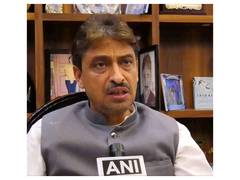
As the political landscape of Uttar Pradesh heats up ahead of the 2027 Assembly elections, Congress MP Imran Masood has criticized the Samajwadi Party (SP) for its stance on alliances, particularly regarding representation of Muslim leaders. This backlash comes after SP leader Udaiveer Singh dismissed Masood’s significance in potential coalition discussions.
Allegations of Discrimination Against Muslim Leaders
Imran Masood’s remarks reflect deeper issues surrounding the representation of Muslim leaders within the Indian political spectrum, particularly within the SP, a party that has historically sought to represent the interests of various communities, including Muslims. In a pointed response to Singh’s comments, Masood stated, “Samajwadi Party cannot tolerate a Muslim leader… or a leader who speaks, and such a leader is in Congress now.” This brings to light the ongoing sentiment of marginalization that Muslim politicians face, often leading to decreased agency within the political sphere and broader societal discrimination.
Impact of the INDIA Alliance on Electoral Politics
The Congress and Samajwadi Party previously formed an alliance as part of the INDIA bloc for the 2024 Lok Sabha elections, during which they collectively managed to secure a notable performance. The SP emerged as the largest party in Uttar Pradesh, with Congress making significant gains as well, capturing six seats. This partnership suggests a potential shift in political dynamics, yet ongoing tensions could complicate future collaborations. As Masood pointed out, the SP benefited from their alliance, earning 37 seats in the recent election, whereas many speculate it would have struggled to exceed 120 seats independently in previous contests.
Why It Matters
The fractious relationship between the Congress and Samajwadi Party, alongside the shadow of discrimination towards Muslim leaders, highlights critical issues in Indian politics. This scenario may lead to further social exclusion and economic boycotts as political factions rally behind their ideologies. Such dynamics can have significant ramifications on electoral strategies, impacting how parties engage with various communities, especially marginalized groups like Muslims. Understanding these intricacies is crucial for international observers and policymakers as they navigate India’s complex socio-political landscape.
Frequently Asked Questions
What are the implications of the Congress-SP alliance for Muslim representation?
The alliance has the potential to improve Muslim representation within electoral politics, but ongoing tensions and allegations of discrimination may hinder this effort.
How did the Congress and SP perform in the 2024 elections?
The Congress and SP alliance performed well, with SP emerging as the largest party in Uttar Pradesh and Congress winning six seats, attributed to their combined political strength.
What is the significance of Muslim leaders in Indian politics?
Muslim leaders play a crucial role in diversifying political representation, but often face discrimination that undermines their influence and marginalizes their communities.
What can we expect from future elections in Uttar Pradesh?
With the 2027 Uttar Pradesh Assembly elections approaching, the ongoing tensions between parties may influence their strategies, creating an uncertain political landscape that could redefine alliances and voter engagement.