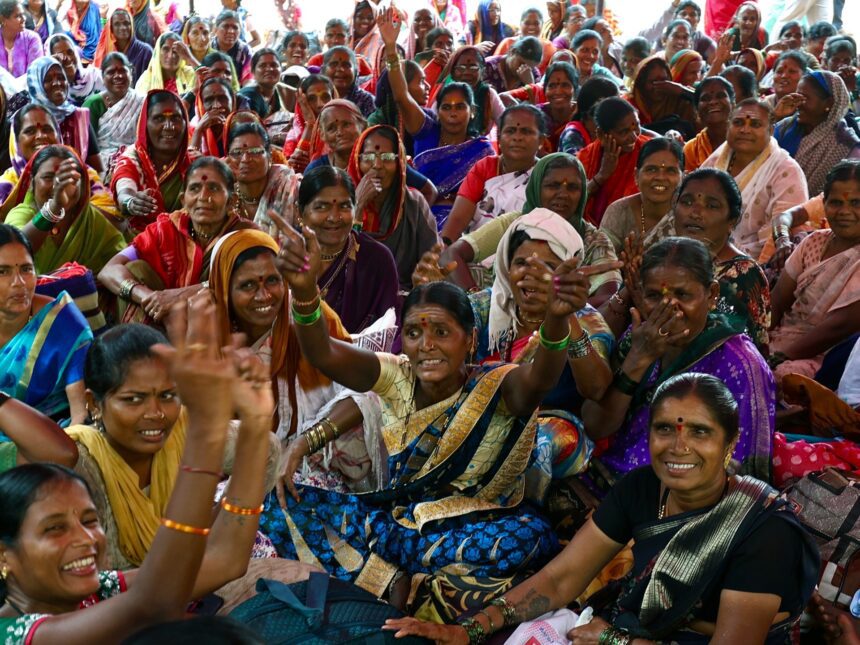

The United Nations Committee on the Elimination of Racial Discrimination (CERD) has issued a critical report urging India to enhance protections for marginalized communities, particularly Bengali-speaking Muslims, and to address systemic abuses against tribal peoples and lower castes. These findings underscore rising concerns about hate crimes and extrajudicial actions by law enforcement against these groups under the current government led by the Bharatiya Janata Party (BJP).
Context of Discrimination and Violence
The CERD’s recent release highlights significant violations occurring within India, where law enforcement has been implicated in acts ranging from excessive use of force to extrajudicial killings. These violations predominantly target ethnic and ethno-religious groups, including Indigenous and Tribal Peoples, Scheduled Castes such as Dalits, and non-citizens, particularly Bengali-speaking Muslims and Rohingya migrants. The committee noted that these groups face increased risks of unlawful arrests, torture, and mistreatment, particularly amid law enforcement operations.
The report expressed grave concerns regarding the systematic violence and discrimination that these communities endure, emphasizing the need for an urgent investigation into these violations. It stated, “These included racially motivated violence, excessive use of force, extrajudicial killings, arbitrary and prolonged detention without due process, torture, ill-treatment and sexual violence.” Such statements starkly reflect the alarming climate of fear and persecution that these communities experience.
Government Response and Ongoing Challenges
During its appearance before CERD, India’s delegation, led by Solicitor General Tushar Mehta, defended the country’s multi-faceted approach to governance, citing constitutional safeguards meant to protect equality and dignity. However, the committee’s report suggests that these protections are inadequately implemented. The increase in racially charged law enforcement initiatives, particularly against Rohingya and Bengali-speaking Muslims, has exacerbated existing tensions and vulnerabilities.
The committee’s recommendations, while non-binding, carry significant reputational weight and call for India to “urgently address discrimination, hate speech and hate crimes” against marginalized communities. The report highlights the importance of ensuring that law enforcement agencies adhere to legal obligations, emphasizing that arbitrary detentions and collective expulsions undermine international legal standards.
The Social Impact of Caste and Ethnic Discrimination
Caste remains a deeply entrenched social system within India, governing access to resources and opportunities. Those from Scheduled Castes and other marginalized backgrounds continue to face social exclusion and economic discrimination. The impact of such systemic inequality extends beyond individual hardships; it contributes to a broader climate of fear and division within society.
The CERD underscored that the discrimination faced by these communities is often legitimized by the prevailing political discourse, which has increasingly normalized hateful rhetoric and actions. As the world’s largest democracy grapples with these issues, the echoes of historical injustices remain audible, complicating the path toward genuine progress and social harmony.
Why It Matters
The findings by the UN Committee are significant not only for humanitarian reasons but also for India’s global standing. Increasing international scrutiny could impact India’s foreign relations, economic agreements, and investment opportunities, particularly in sectors sensitive to human rights practices. The ongoing discrimination against Bengali-speaking Muslims and tribal peoples raises serious ethical questions for industries looking to engage with India, compelling stakeholders to consider the implications of their partnerships.
Frequently Asked Questions
What is CERD and what does it do?
The Committee on the Elimination of Racial Discrimination (CERD) is a group of independent experts that monitors the implementation of the Convention on the Elimination of All Forms of Racial Discrimination by nations around the world, aiming to ensure compliance and address human rights violations related to racial discrimination.
What specific issues were highlighted in the UN report about India?
The report highlighted extrajudicial killings, torture, and racially motivated violence against Bengali-speaking Muslims and tribal communities, urging India to investigate these claims and ensure protections for these groups.
How does the caste system contribute to discrimination in India?
The caste system dictates social status and access to resources, perpetuating inequality that affects education, job opportunities, and social mobility for those in lower castes, particularly Dalits and tribal groups.
What was the Indian government’s response to the CERD’s findings?
The Indian government, represented by a delegation during the CERD review, emphasized its legal framework and commitment to pluralism, while the report suggests that these legal protections are not being effectively realized on the ground.