
US Calls for De-Escalation Between Israel and Syria
The United States has urged both Israel and Syria to engage in dialogue and reduce tensions following a series of Israeli airstrikes on a Syrian military base. US officials emphasize the need for diplomatic solutions to avoid further escalation amidst ongoing regional instability.
Israeli Airstrikes and their Impact on Syria
On August 18, Israeli warplanes executed airstrikes targeting the Abu al-Duhur military airbase located in northwestern Syria’s Idlib province. The strikes, comprising eight separate attacks, focused on the base’s runway and resulted in significant damage to its infrastructure. This military action is part of a pattern that has intensified since the fall of Bashar al-Assad’s government, with Israel taking control of portions of the Syrian buffer zone and subsequently declaring the 1974 disengagement agreement void.
Syria, still grappling with the aftermath of years of conflict, is now trying to rebuild its institutions and restore stability. The ongoing military operations from Israel complicate these efforts, presenting additional challenges as the Syrian government seeks to restore its credibility both domestically and internationally.
US Diplomatic Engagement with the Region
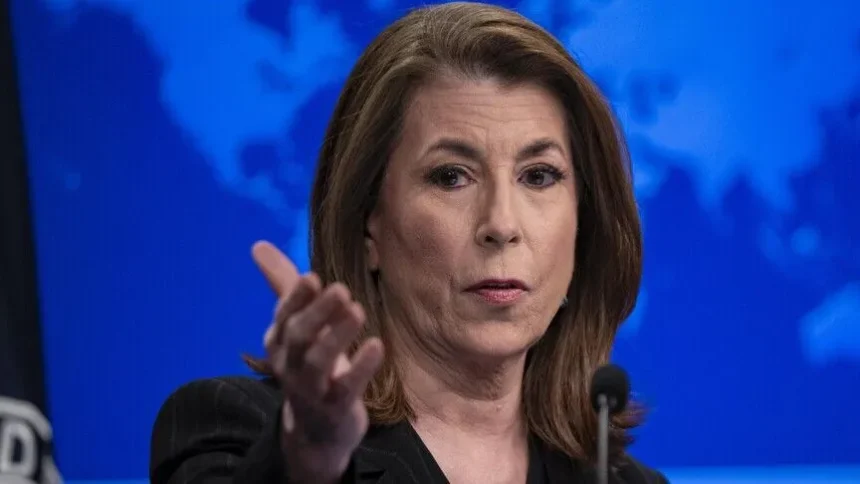
US Deputy Representative to the United Nations, Tammy Bruce, addressed the UN Security Council, reaffirming Washington’s commitment to engaging with both Israel and Syria. She noted that this engagement also extends to other regional players in an effort to encourage peaceful negotiations and de-escalation. Bruce underscored a significant US decision made on August 24, which removed Syria from its list of state sponsors of terrorism. She characterized this step as a “historic milestone” that reflects progress in Syria on various fronts including political, humanitarian, and security matters.
This shift in US policy is also expected to facilitate greater international trade and investment, potentially aiding in Syria’s reconstruction efforts. However, it raises questions about how these diplomatic efforts can coexist with the underlying tensions exacerbated by frequent Israeli military actions.
Significance of US Engagement and Regional Dynamics
The US call for de-escalation represents a recognition of the complex dynamics at play in the region. While the US pushes for diplomatic solutions, the Israeli military incursions serve as a potent reminder of the volatility that continues to define Israel-Syria relations. The impact of ongoing Israeli airstrikes not only affects military infrastructure but also contributes to a broader pattern of instability that significantly hampers Syria’s recovery.
If the US is to effectively foster peace through dialogue, it will need to navigate these contradictions between military actions and diplomatic rhetoric. The potential for improved economic conditions within Syria hinges on a stable political environment, which remains jeopardized by Israel’s military strategy. Maintaining diplomatic channels may ultimately lead to a more comprehensive approach in dealing with the burgeoning crises facing both nations.
Why It Matters
The implications of US diplomatic efforts in the Israel-Syria tension extend beyond mere regional politics. For developers and users of international analytics tools, understanding the multifaceted interactions among countries is essential for forecasting geopolitical risks and economic opportunities. The decision to ease restrictions on Syria is pivotal for industries that could potentially engage in investment and reconstruction but also signals the complexity of balancing interests in volatile regions. For sectors focusing on AI and data analytics, this evolving situation underscores the necessity for adaptable models that consider the dynamic nature of international relations.
Frequently Asked Questions
What led to the recent Israeli airstrikes in Syria?
The airstrikes on August 18 targeted the Abu al-Duhur military airbase, with Israeli forces conducting multiple strikes aimed specifically at the base’s runway and infrastructure as part of an ongoing effort to assess and neutralize perceived threats from Syria.
What is the current status of US-Syria relations?
The United States recently removed Syria from its list of state sponsors of terrorism, suggesting a shift towards increased diplomatic engagement aimed at supporting Syria’s reconstruction efforts after years of conflict.
How do Israeli military operations affect Syria’s recovery efforts?
Israeli military operations add layers of complexity to Syria’s recovery, disrupting governmental efforts to restore stability and rebuild institutions while also complicating Syria’s efforts to regain its international standing and economic ties.
What are the implications of US calls for dialogue between Israel and Syria?
The US call for dialogue highlights a strategic attempt to lower tensions in the region, reflecting an understanding that sustained military operations could hinder potential progress towards stability and cooperation between these two nations.