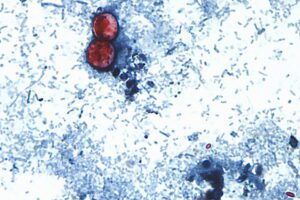
The recent outbreak of cyclosporiasis linked to recalled iceberg lettuce has affected over 11,000 individuals across 20 states in the U.S., marking one of the largest foodborne illness incidents in history. With cases confirmed stemming from a farm in central Mexico operated by Taylor Farms, health officials are closely monitoring the situation as they work to prevent further spread.
The Scope of the Outbreak
According to the latest information from the Food and Drug Administration (FDA), there has been a significant surge in confirmed cases of illness caused by the microscopic parasite Cyclospora. The total number of sickened individuals has increased to 11,458, rising from approximately 10,900 reported just a week earlier. This dramatic rise showcases the importance of quick identification and response to foodborne illness outbreaks.
Additionally, cases have now been identified in three new states: Georgia, Tennessee, and Texas. The CDC and FDA are investigating the outbreak’s origins, with a strong focus on iceberg lettuce sourced from a farm in central Mexico. These agencies are actively collaborating with the Mexican government to ensure that food safety measures are stringent and comprehensive.
Understanding Cyclospora and Its Health Impacts
Cyclospora is a microscopic parasite that causes a gastrointestinal illness known as cyclosporiasis. The illness is characterized by symptoms of watery diarrhea—often with frequent and explosive bowel movements. According to the CDC, while Cyclospora infections are less common than those caused by germs such as salmonella and E. coli, they can still lead to severe health impacts, particularly if left untreated.
This year alone, there have been nearly 29,000 confirmed or suspected cases of cyclospora in the U.S., leading to 922 hospitalizations. Previously, the highest number of reported infections occurred in 2019, with about 4,700 cases nationwide. The increase in cases this year highlights the need for ongoing research and public awareness regarding food safety.
Investigative Actions by Authorities
The FDA has been diligent in its response to the outbreak, stating that its personnel are continuing to inspect and test produce at the implicated farm in Mexico. The agency has expressed confidence that all iceberg lettuce tied to this outbreak has been effectively removed from the market.
Federal health officials emphasize the importance of food safety regulations and public awareness concerning the origins of produce. The collaboration between U.S. and Mexican authorities aims to ensure that similar outbreaks do not occur in the future. Public health officials are urging consumers to stay informed and report any suspected foodborne illness to health departments.
Why This Is Trending
The surge in interest around cyclosporiasis and the recent lettuce outbreak is primarily due to its widespread impact across a range of states in the U.S. With social media and news outlets sharing updates, many individuals, particularly in the Indian community with ties to the U.S., are monitoring the situation closely. Concerns about food safety, especially regarding imported produce, are heightening discussions and inquiries about how to maintain safe eating practices.
Moreover, as people become more aware of foodborne illnesses, there is a growing demand for information on how to identify and prevent them, ultimately leading to a surge in searches about cyclospora and other foodborne pathogens.
Frequently Asked Questions
What is Cyclospora?
Cyclospora is a microscopic parasite that causes an intestinal infection known as cyclosporiasis, primarily characterized by watery diarrhea and gastrointestinal discomfort.
How can one contract cyclosporiasis?
The parasite spreads through contaminated food or water, often linked to fresh produce, especially when it is improperly washed or handled.
What are the symptoms of cyclosporiasis?
Symptoms typically include watery diarrhea, stomach cramps, nausea, and fatigue. The illness is marked by episodes of explosive bowel movements and can lead to serious complications if untreated.
What should I do if I think I’m infected?
If you suspect you have cyclosporiasis, it is crucial to seek medical attention. Proper diagnosis and treatment are essential for recovery and to prevent complications.