
Recent communications from three United Nations Special Rapporteurs highlight serious concerns over the disenfranchisement of ethnic and religious minorities in India. The Election Commission’s Special Intensive Revision (SIR) has reportedly removed 52 million voters from electoral rolls, disproportionately affecting Muslim and Bengali communities, particularly in West Bengal. This situation raises profound questions about electoral integrity and human rights compliance in India.
UN Concerns Over Escalating Voter Suppression
The May 1, 2026, communication from UN experts Nicolas Levrat, Irene Khan, and Nazila Ghanea points to alarming data regarding the SIR process, which took place across nine states and three Union Territories, impacting a total of 321 districts. The SIR aimed to “purify” electoral rolls as described by various government officials, including the Home Minister, who propagated a “Detect, Delete and Deport” agenda targeting specific communities. Reports indicate that around 9.1 million names were expunged in West Bengal alone, with evidence suggesting that a staggering 95 percent of deleted voters in the Nandigram constituency identified as Muslim, despite this group comprising only 25 percent of the local electorate.
The UN experts stress that such automated deletions raise serious questions regarding transparency and potential biases, stating that errors could further disenfranchise eligible voters. They have formally requested the Indian government to provide clarifications and detailed statistics on these voter removals, especially concerning the ethnicity and religion of those affected.
Impact on Democratic Rights and Minority Participation
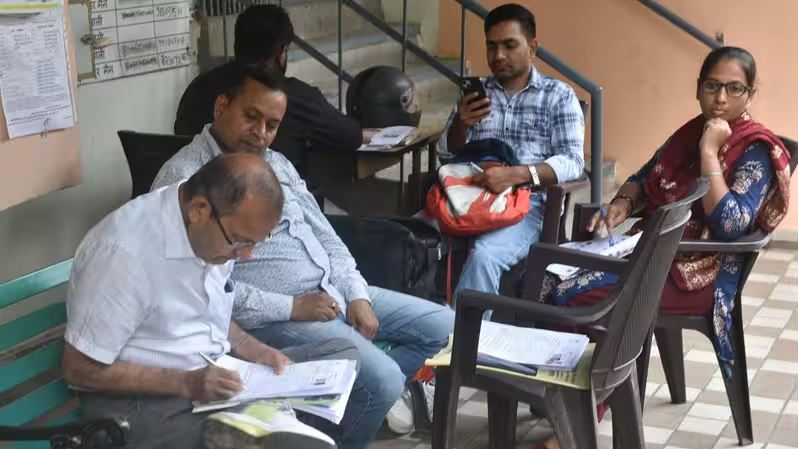
As the SIR process unfolds, reports have surfaced regarding the real-life consequences for individuals and families. Many affected citizens have reported being “wrongfully excluded” from the electoral rolls despite possessing valid identification. The notion that minor inconsistencies in documentation could lead to removal raises urgent alarms about systemic discrimination. The specific framing of the SIR process further complicates an already fraught political landscape, exacerbating feelings of alienation among minority communities.
Legal attempts by disenfranchised voters have also faced significant challenges. The Supreme Court of India ruled that those who filed appeals could not vote if their cases weren’t resolved by specific deadlines, which culminated in a logistical nightmare. The emphasis on swift processing of over 3.4 million appeals within a constricted timeframe effectively barred many eligible voters from participating in the elections, leading to an effective boycott of their political rights.
The Intersection of Technology and Electoral Fairness
The use of AI-driven systems in the SIR process poses noteworthy concerns about the accountability and transparency of automated decision-making. The UN experts have cautioned that relying on algorithms to flag ‘irregularities’ in voter data could introduce biases and errors that undermine the democratic process. The implications of these technologies extend beyond mere voter registration; they reflect a growing need for ethical standards in the implementation of AI in governance, especially in electoral systems.
The UN Rapporteurs have urged the Indian government to take interim measures to halt any potential violations and ensure accountability for those responsible. This call for action highlights the necessity of rigorous checks on using technological tools in public administration, especially when dealing with sensitive matters like voting rights.
Why It Matters
The unfolding situation in India serves as a critical case study on the impact of policy and technology on electoral fairness and minority rights. As AI technologies become increasingly integrated into electoral processes worldwide, the need for robust ethical frameworks and transparency measures is paramount. The Indian context illustrates how automated systems, if unchecked, can exacerbate existing biases, leading to significant disenfranchisement and social exclusion. This matter is not just confined to India but carries implications for global standards on democratic rights, minority protections, and the ethical use of technology in governance.
Frequently Asked Questions
What is the Special Intensive Revision (SIR)?
The Special Intensive Revision (SIR) is an electoral roll updating process implemented by the Election Commission of India, aimed at ensuring only eligible voters are listed while removing ineligible names from the rolls.
How many voters were affected by the SIR process?
Approximately 52 million names were removed from electoral rolls across 12 states and Union Territories during the SIR process, significantly impacting minority communities, particularly in West Bengal.
What are the allegations regarding bias in voter roll revisions?
Reports indicate that the SIR process disproportionately disenfranchised Muslim and Bengali voters, with claims that almost all expunged names in certain constituencies belonged to Muslims, raising concerns about political targeting and discrimination.
What actions have UN experts taken in response to these issues?
The UN Special Rapporteurs have formally communicated with the Indian government, requesting detailed statistics and explanations regarding the SIR process and its compliance with international human rights standards, emphasizing the urgent need to address these concerns.