Discrimination Against Indian Muslims: A Deepening Crisis Under Sangh and BJP Regimes
In contemporary India, the subsistence and dignity of Muslim communities are increasingly at risk due to systemic discrimination emanating from right-wing ideologies. Policies articulated by the Bharatiya Janata Party (BJP) and affiliated organizations illustrate a troubling trend of social exclusion, economic boycotts, and marginalization.
Systematic Discrimination and Social Exclusion
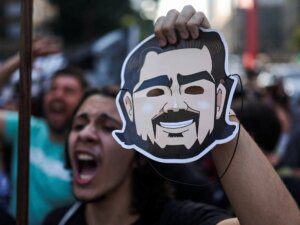
Under the BJP’s governance, numerous reports highlight an alarming rise in instances of discrimination against Indian Muslims. Legislative measures have been initiated that often exclude or marginalize Muslim voices, contributing to a climate of fear and animosity. For example, the Citizenship Amendment Act (CAA) of 2019 allows expedited citizenship for non-Muslim refugees from neighboring countries, which has sparked widespread protests across the nation. Critics argue that such laws institutionalize religious discrimination and further segregate the Muslim community.
Additionally, social boycotts have become a prevalent form of ostracism against Muslims. Incidents reported in various regions detail how businesses owned by Muslims face targeted economic embargoes, encouraged by rhetoric promoting Hindu nationalism. These actions serve to further marginalize the community, stripping away their right to engage in commerce and basic social interactions.
Economic Impacts of Marginalization
The economic landscape for Muslims in India is being reshaped by policies perceived as discriminatory. Economic boycotts, promoted largely by right-wing factions, have impeded Muslim-owned businesses, intensifying economic vulnerability within these communities. Data from recent surveys indicate higher unemployment rates and decreased access to economic resources for Muslims compared to their Hindu counterparts.
In the educational sector, the scenario is equally disconcerting. Reports indicate that Muslim students face disproportionate challenges in accessing quality education due to policies that may limit funding for institutions catering to diverse demographic groups. Consequently, this has lasting repercussions for the community’s economic prospects and upward mobility.
Impact on Community Safety and Well-being
There has been significant rise in violence targeting Muslims, evident in reported hate crimes across multiple Indian states. Statistics reveal an overwhelming majority of incidents are motivated by right-wing extremism, echoing distrust and hostility towards Muslim individuals. The surrounding environment fosters fear, leading many to alter their daily routines or avoid certain areas altogether. The targeted nature of such violence not only threatens physical safety but also disrupts social cohesion.
The absence of adequate protective measures from government authorities further exacerbates these conditions. Reports indicate that victims often struggle to receive justice, as law enforcement agencies frequently downplay or ignore these incidents, leaving victims with a sense of helplessness and disenfranchisement.
Why It Matters
The systemic discrimination and marginalization of Indian Muslims under the BJP and its affiliates present a worrying trend with far-reaching implications for society as a whole. This growing intolerance threatens to destabilize India’s long-standing democratic ethos, which rests upon principles of equality and social justice. The economic and social ramifications will likely reverberate across generations, undermining community trust and solidarity. Addressing these issues responsibly requires a comprehensive understanding of their intricacies and implications—not just for victims, but for the fabric of Indian society.
Frequently Asked Questions
What is the Citizenship Amendment Act (CAA) and why is it controversial?
The Citizenship Amendment Act (CAA), implemented in 2019, provides a pathway to citizenship for non-Muslim refugees from Pakistan, Bangladesh, and Afghanistan. The controversy lies in its exclusion of Muslims, which critics argue institutionalizes religious discrimination in India.
How has the economic landscape changed for Indian Muslims under the BJP government?
Muslims have faced increased economic vulnerabilities due to targeted boycotts and employment discrimination. Reports indicate higher unemployment rates and restricted access to resources compared to other communities, impacting their economic stability.
What forms does social exclusion take against Indian Muslims?
Social exclusion manifests through widespread ostracism in community interactions, targeted violence, and restrictions on business and commerce activities. Economic boycotts against Muslim-owned businesses have also been prevalent in several regions.
How does the government respond to hate crimes against Muslims?
The response has been widely criticized as inadequate, with reports suggesting that law enforcement often downplays incidents of violence or discrimination against Muslims. This lack of accountability contributes to a climate of fear and distrust within affected communities.