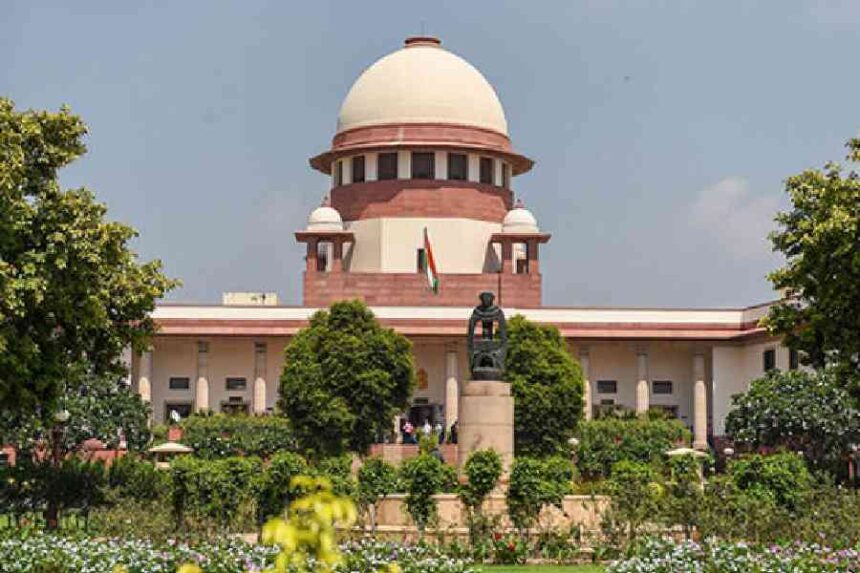

On Friday, the Supreme Court of India requested a response from the Centre regarding a petition filed by five Muslim individuals, challenging the constitutionality of polygamy. The petitioners argue that polygamy should be classified as a criminal offense, akin to the restrictions placed on non-Muslims under Indian law.
The Legal Context of Polygamy in India
Under Section 82 of the Indian Penal Code (IPC), polygamy is criminalized for non-Muslims, carrying a potential punishment of up to seven years for anyone who marries while already married. However, this provision does not apply to Muslims due to the personal laws that govern their marital practices. Specifically, the Muslim Personal Law (Shariat) Application Act of 1937 permits polygamous marriages, which the petitioners argue creates a discrepancy within the legal framework, allowing Muslim men to engage in practices deemed illegal for others.
Pushing for Equality: The Petitioners’ Argument
The joint petition was brought forth by notable activists including Zakia Soman, Noor Jehan Safia Niaz, Javed Anand, Shamsuddin Mohiuddin Tamboli, and Badar Sayeed, represented by advocate Shriya Maini. They contend that the ability of Muslim men to practice polygamy without similar legal repercussions faced by their non-Muslim counterparts undermines the fundamental rights outlined in the Indian Constitution. The petitioners specifically cite Article 14 (right to equality), Article 15 (non-discrimination), and Article 21 (life and personal liberty), arguing that polygamy inflicts significant psychological and physical trauma upon women and children, violating their right to a dignified life.
Social and Psychological Implications
The effects of polygamy extend beyond legal definitions to impact the social fabric and mental health of those involved. The petitioners stress that providing a religious exemption for polygamy creates an environment of legal asymmetry, placing Muslim women in a precarious situation where they lack the same protections afforded to other women in India. This situation not only intensifies discrimination but may also lead to long-term psychological repercussions, including anxiety and depression for women who may feel trapped in an unequal marital arrangement.
Why It Matters
This case highlights the ongoing discourse around personal laws in India and their intersection with human rights. The Supreme Court’s decision to hear this petition may lead to significant legal reforms that could reshape the landscape of marital laws in India. Such changes could influence how personal laws are perceived and integrated with constitutional obligations, especially regarding gender equality and women’s rights. It may also set a precedent for other minority groups dealing with similar issues, reflecting broader societal values on justice and equality.
Frequently Asked Questions
What is the current legal status of polygamy in India?
Polygamy is criminalized for non-Muslims under Section 82 of the IPC, but remains legal for Muslims under the Muslim Personal Law (Shariat) Application Act of 1937.
Who are the petitioners challenging the constitutionality of polygamy?
The petitioners include Zakia Soman, Noor Jehan Safia Niaz, Javed Anand, Shamsuddin Mohiuddin Tamboli, and Badar Sayeed, who advocate for the rights of Muslim women.
What fundamental rights do the petitioners claim are violated by polygamy?
The petitioners argue that polygamy is discriminatory and violates fundamental rights guaranteed under Articles 14 (equality), 15 (non-discrimination), and 21 (life and personal liberty) of the Indian Constitution.
What are the potential implications of the Supreme Court’s ruling on this matter?
A ruling in favor of the petitioners could lead to legal reforms affecting personal laws in India, promoting greater equality and protection for women across various communities.