
Shifting Alliances: Regional Security in Focus
Recent developments in the Middle East highlight a significant shift as nations prioritize their own security arrangements over traditional reliance on Western powers. Iran has underscored this point following the signing of a defense agreement among Pakistan, Saudi Arabia, and Türkiye, known as the Makkah Joint Defence Agreement. This pact signifies a collective commitment to mutual defense against any armed attacks, indicating a broader trend among regional countries to reassess their defense strategies.
Evolving Regional Dynamics
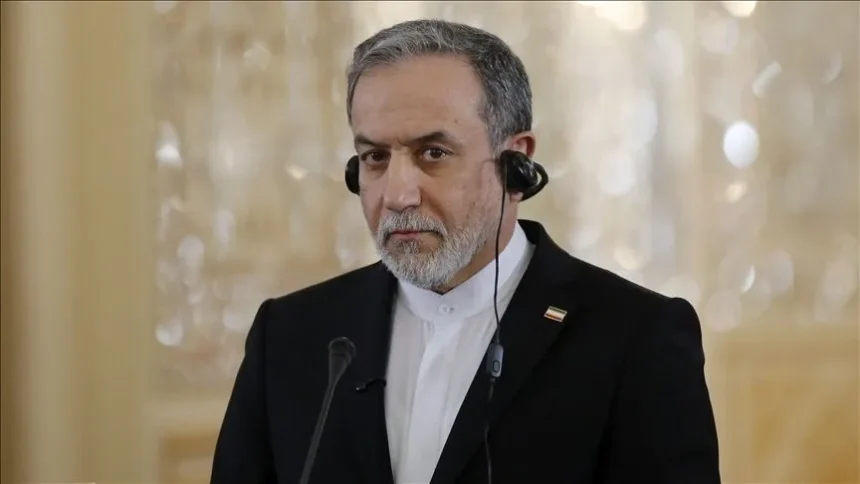
Esmaeil Baqaei, spokesperson for the Iranian Foreign Ministry, noted that the agreement reflects a reassessment of security priorities in light of recent regional developments. He asserts that Middle Eastern countries are increasingly recognizing that lasting security cannot be achieved by dependency on external powers. Instead, they are focusing on leveraging their own capabilities through regional cooperation.
The Makkah Joint Defence Agreement, signed last Friday, obligates the signatory nations to consider an armed assault on any one of them as an attack on all three. Leaders from these nations have framed the agreement as a defensive measure aimed at bolstering deterrence and fostering regional stability. This shift towards intra-regional collaboration may indicate a growing trend of self-reliance in defense.
Iran’s Perspective and Regional Relations
Baqaei expressed that Iran does not perceive the agreement as a direct threat, citing the long-standing religious and cultural ties that link Iran with Pakistan, Türkiye, and Saudi Arabia. He reiterated Iran’s commitment to supporting regional security mechanisms based on collaboration among neighboring states, free from external influences. It suggests that Iran may be positioning itself as a cooperative partner rather than a potential adversary, fostering a spirit of mutual respect and collaboration in the region.
In the context of these relations, Iranian officials are looking to enhance bilateral ties with Pakistan, which they view as increasingly significant. A scheduled visit by Iranian officials to Pakistan has been suggested to further this objective. The dialogue between Pakistan’s Deputy Prime Minister and Foreign Minister Ishaq Dar and Iranian counterpart Abbas Araghchi reflects the ongoing attempts to maintain open lines of communication regarding regional security.
Broader Implications for Regional Stability
The discussions surrounding the Makkah Joint Defence Agreement do not exist in isolation. Pakistan’s engagement with other nations, including Kuwait and Canada, to elaborate on the defense pact’s purpose—strengthening strategic cooperation and bolstering regional peace—emphasizes its significance beyond just the signatory nations. By framing the agreement as defensive and not targeting any specific country, Pakistan aims to foster a narrative of stability rather than division.
This diplomatic outreach suggests that the agreement could pave the way for improved regional dynamics, encouraging dialogue and collaboration among countries with traditionally complex relationships. Concurrently, it poses questions about how such shifts could affect the balance of power in the region and influence international relations, particularly with major powers like the United States, which have historically played significant roles in Middle Eastern affairs.
Why It Matters
The signing of the Makkah Joint Defence Agreement points towards a profound transformation in regional security dynamics. By choosing to collaborate on matters of defense, these nations may influence global governmental approaches to international security. This trend could lead to diminished Western influence, compelling global powers to reconsider their strategies in the Middle East. The focus on indigenous capabilities and regional partnerships marks a pivotal change that could reshape alliances, alignments, and conflict dynamics in the years to come.
Frequently Asked Questions
What is the Makkah Joint Defence Agreement?
The Makkah Joint Defence Agreement is a defense pact signed by Pakistan, Saudi Arabia, and Türkiye, which obligates these nations to consider an attack on one as an attack on all, aimed at reinforcing regional stability and deterrence.
What does Iran think about the Makkah Joint Defence Agreement?
Iranian officials, particularly Foreign Ministry spokesperson Esmaeil Baqaei, have indicated that they do not perceive the agreement as a threat, citing historical and cultural ties with the signatory countries and expressing support for regional cooperation.
How does this agreement affect regional security?
The agreement may lead to increased collaboration among the signatory nations, suggesting a shift towards regional self-reliance in defense and security, which could alter existing alliances and power dynamics in the Middle East.
What are the implications for Pakistan’s foreign relations?
Pakistan’s engagement with various countries to discuss the agreement indicates a strategy to promote peace and security in the region, potentially enhancing its diplomatic relationships and positioning as a facilitator of regional stability.