
Summary
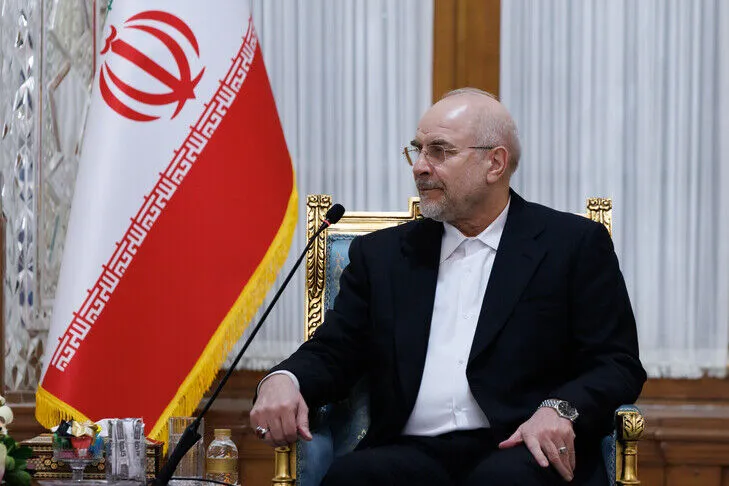
Iran’s chief negotiator, Mohammad Bagher Qalibaf, has stated that the country will not reopen the critical Strait of Hormuz until the U.S. fulfills its commitments, particularly regarding the lifting of economic sanctions and naval blockades. This situation underscores ongoing tensions between Tehran and Washington, as regional stability and global oil supplies remain at stake.
Iran’s Conditions for Reopening the Strait of Hormuz
Qalibaf emphasized the need for the U.S. to remove restrictions on maritime activity, end oil sanctions, and release Iranian assets before Iran will consider allowing the flow of shipping through the Strait of Hormuz. This strategic waterway is essential for global energy supplies, and disruption poses risks to international trade and Middle East security. Iran’s firm stance reflects broader geopolitical challenges and its ongoing conflict with U.S. policies in the region.
Regional Diplomacy and its Implications
On Wednesday, Qalibaf is scheduled to travel to Iraq with a senior parliamentary delegation. The agenda includes discussions on regional developments, enhancing cooperation between Tehran and Baghdad, and exploring strategies to support stability and security. This visit comes amid U.S. pressure on Iraq to disarm Iran-aligned armed groups, which poses a significant challenge for Baghdad, particularly with a deadline set for September 30, coinciding with the conclusion of the U.S.-led anti-Daesh coalition’s mission.
Humanitarian Issues and Detentions
In a separate development, Iran’s ambassador to Kuwait revealed that he met with four Iranian nationals detained in Kuwait for the past three months. This situation has raised concerns following Iranian allegations that Kuwaiti authorities have not provided relevant information about the detainees. This incident reflects ongoing tensions not just between states, but also concerning the treatment and rights of individuals caught in such geopolitical conflicts.
Why It Matters
The developments around the Strait of Hormuz and Iran’s negotiations with the U.S. highlight the fragile state of international relations in the Middle East. For the global community, the implications are clear: any escalation of tensions or failure to resolve existing conflicts could have dire consequences for oil prices and stability in the region. Moreover, understanding Iran’s position can provide vital context for various stakeholders, including global energy markets, policymakers, and scholars observing Middle Eastern dynamics.
Frequently Asked Questions
What is the Strait of Hormuz and why is it significant?
The Strait of Hormuz is a strategic maritime corridor, crucial for global oil transportation, with approximately 20% of the world’s oil passing through this narrow waterway.
What conditions is Iran demanding for reopening the Strait?
Iran has stipulated the removal of restrictions on maritime activity, an end to oil sanctions, and the release of Iranian assets before considering the reopening of the Strait.
What is the diplomatic context of Qalibaf’s visit to Iraq?
Qalibaf’s visit aims to strengthen bilateral cooperation and address regional security concerns amid U.S. pressure for Iraq to disarm Iran-aligned armed groups.
What are the risks associated with the current geopolitical tensions in the region?
The ongoing tensions could disrupt global oil supplies, escalate conflicts in the Middle East, and complicate international diplomatic efforts aimed at achieving stability in the region.