
Summary: In Nagpur, Maharashtra, the arrest of two Muslim men following a woman’s allegations of rape, blackmail, and forced religious conversion has stirred significant public debate. This incident raises broader concerns regarding religious and social discrimination faced by minority communities in India, particularly amid rising tensions attributed to socio-political dynamics.
Details of the Case
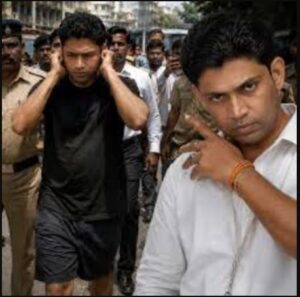
According to police reports, a 24-year-old married woman lodged a complaint against Ayyaz Taj Madare and Ameen Shaikh, accusing them of multiple crimes including rape, blackmail, extortion, and coercion towards religious conversion. A third suspect, Hazrat Maulana, is reportedly evading capture as police continue their efforts to locate him.
The woman asserted that Madare, a former school acquaintance, reconnected with her under the guise of aiding her with a property dispute. During a meeting at a hotel in February 2025, she claims that she was administered an intoxicating substance, which led to the illicit recording of compromising images without her consent.
Allegations of Coercion and Extortion
The victim alleges that the recorded material was used to extort nearly ₹4 lakh from her over a series of months. Furthermore, she detailed experiences involving occult practices associated with the forced religious conversion. According to her testimony, these assertions were corroborated by a video that has gained traction on social media, showing her apparently pleading during what she describes as a religious conversion ceremony against her will.
As the ongoing investigation unfolds, Deputy Commissioner of Police Rushikesh Reddy confirmed that an offence report has been documented at Sonegaon Police Station under laws pertaining to sexual assault, extortion, and Maharashtra’s anti-superstition legislation. The implications of such cases can extend beyond personal trauma, often fueling communal strife in a highly polarized society.
Public and Political Reactions
The case has drawn attention and created a ripple effect in public discourse, especially within the context of religious and ethnic bias in India. Critics argue that rising tendencies towards communalism often disproportionately target minority groups, such as Muslims, leading to social exclusion and discrimination. This scenario raises questions about the safety and autonomy of women in communal settings.
Moreover, certain narratives suggest a deliberate effort to portray these incidents as part of a broader aggressive agenda against Hindu women, thus instigating further divisions within Indian society. Authorities urge caution against unverified claims surrounding the case as it remains under investigation, while also reaffirming the presumption of innocence for the accused.
Why It Matters
This incident reflects not just individual acts of alleged crime but touches on systemic issues of discrimination and social exclusion. It highlights how women from minority backgrounds may be unduly affected by societal tensions and serves as a reminder of the work still needed to ensure their safety and autonomy. Understanding such cases is crucial for policymakers and society as they navigate complex inter-community dynamics and strive for equitable treatment for all citizens, regardless of their background.
Frequently Asked Questions
What are the charges against the accused in this case?
The accused face charges including sexual assault, blackmail, extortion, and illegal religious conversion, as per the FIR registered by the police.
What evidence has been presented in this case?
The woman claims to possess compromising photographs and videos recorded without her consent, and a video reportedly showing her during a forced religious conversion ceremony has circulated widely on social media.
What is the current status of the investigation?
The police are actively investigating the allegations, examining digital evidence, and are also in pursuit of a third accused who remains at large.
Why is this incident significant in the context of Indian society?
This case underscores the ongoing issue of religious discrimination and gender-based violence, raising awareness about the vulnerabilities faced by women in minority communities amidst increasing communal tensions in India.