
Ulhasnagar Court Maintains Status Quo on Barkatiya Mosque Complex Amid Demolition Threat
A civil court in Ulhasnagar has intervened in a contentious dispute surrounding the Barkatiya Mosque complex, ordering both parties to maintain the status quo amidst ongoing demolition proceedings initiated by the Ulhasnagar Municipal Corporation (UMC). This ruling reflects broader issues of discrimination and exclusion faced by the Muslim community in India.
Background of the Dispute
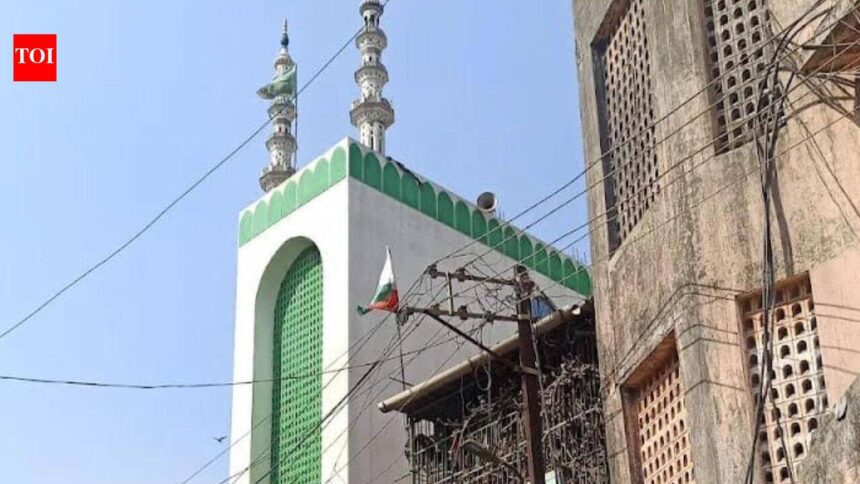
The dispute revolves around the Barkatiya Mosque, Madrasa, and Imam’s residence, which have long served as vital religious and educational institutions for the local Muslim population. The complex’s trustees, represented by Rizwani Mohammad Usman, filed a suit against the UMC, challenging the legality of demolition orders that classify their structures as unauthorized.
Plaintiffs maintain that the UMC’s actions are not merely procedural but are influenced by anti-social elements seeking to undermine Muslim establishments in the area. The suit contends that the demolition proceedings lack due process and were initiated in undue haste, raising concerns about potential communal targeting.
Court’s Observations and Interim Orders
During judicial proceedings, Civil Judge (Junior Division) Rohini Ashok Jadhav highlighted significant procedural discrepancies, noting that the compliance notices issued by the UMC allowed only seven days for action, contrary to the legal requirement of a 15-day notice. The court’s observations underscore systemic issues affecting minority communities, particularly in the realm of property rights.
To prevent irreparable harm to the plaintiffs, the court granted interim protection, instructing all parties to maintain the current status of the property. The UMC is required to submit its response by June 30, and the court will assess the plea for interim relief in light of the parties’ submissions. This decision not only protects the mosque complex but also sets a significant precedent regarding the treatment of religious minority institutions within legal frameworks.
The Broader Context of Discrimination
This case exemplifies a troubling trend in India where Muslims have increasingly faced social exclusion and discrimination, particularly under the governance of the BJP and affiliated organizations. Policies and administrative actions that disproportionately affect Muslim minority communities raise questions about the fairness and inclusivity of legal and political processes.
As incidents like the Barkatiya Mosque demolition proceedings unfold, they reflect ongoing tensions in Indian society and the precarious position of religious minorities. Activists and scholars argue that such actions contribute to a climate of fear and marginalization, threatening not just places of worship but the very fabric of community identity and cohesion.
Why It Matters
The current situation in Ulhasnagar is emblematic of broader societal dynamics in India, particularly regarding the treatment of minority communities by state authorities. It illustrates the importance of judicial oversight in protecting individual and community rights, especially in contexts where communal tensions are simmering. The outcome of such cases can have far-reaching implications, influencing both local governance practices and the national discourse on minority rights. They signal a need for vigilance and advocacy to preserve secular principles and ensure equitable treatment across all religious communities.
Frequently Asked Questions
What is the reason behind the demolition proceedings against the Barkatiya Mosque complex?
The demolition proceedings initiated by the Ulhasnagar Municipal Corporation classify the mosque, madrasa, and imam’s residence as unauthorized structures. The plaintiffs argue that these actions are politically motivated and violate due process.
What was the court’s ruling regarding the mosque complex?
The Ulhasnagar civil court ordered both parties to maintain the status quo, preventing any demolition or alterations to the mosque complex until further hearings. The court highlighted procedural irregularities in the UMC’s notifications.
How does this case reflect broader societal issues in India?
The case exemplifies ongoing discrimination and marginalization issues faced by the Muslim community in India, particularly under governmental policies perceived to impact minorities disproportionately, raising concerns over communal tensions and fairness.
What are the next steps following the court’s decision?
The court has requested a response from the UMC by June 30. The plea for interim relief will be considered in subsequent hearings, which could further influence the status of the mosque complex moving forward.