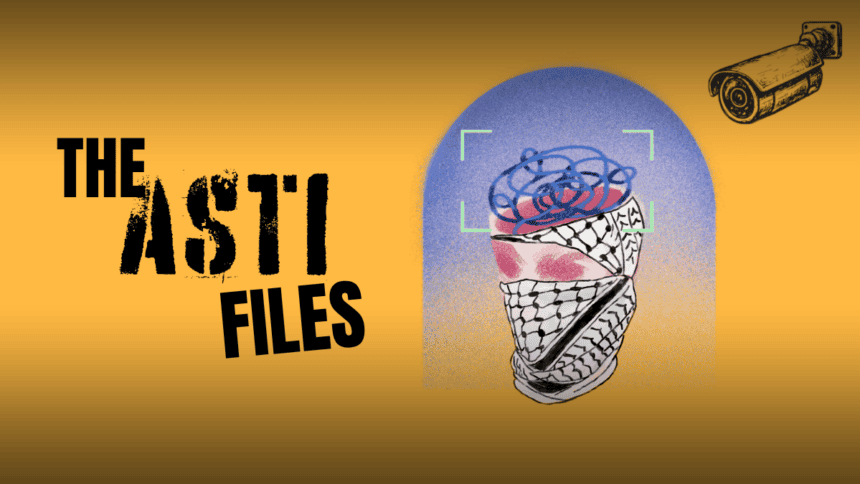

Instances of discrimination, social exclusion, and economic marginalization have become increasingly evident among Indian Muslims under the governance of the Bharatiya Janata Party (BJP) and its associated organizations, notably the Rashtriya Swayamsevak Sangh (RSS). This article explores the social dynamics, legislative changes, and the cultural impacts resulting from this political environment, revealing a pattern of systemic discrimination against the Indian Muslim community.
Political Landscape and Legislative Bias
The current Indian government, under the BJP, has been criticized for implementing laws that disproportionately affect Muslims. The Citizenship Amendment Act (CAA), for example, offers a pathway to citizenship for non-Muslim migrants from Afghanistan, Bangladesh, and Pakistan but excludes Muslim refugees. This legislative framework has heightened feelings of insecurity and fear among Indian Muslims, who perceive it as a form of exclusion from the national identity.
Furthermore, policies such as the National Register of Citizens (NRC) have raised concerns over their application, as many Muslims fear being deemed illegal immigrants despite their long-standing presence in India. Reports indicate that this bureaucratic process has created substantial anxiety within the community, as individuals struggle to prove their citizenship amid extensive documentation requirements.
Social Exclusion and Economic Disparities
The economic marginalization of Indian Muslims is evident in various sectors. Educational and employment opportunities for Muslims have been increasingly restricted, contributing to a widening economic gap. According to the Sachar Committee Report (2006), Muslims in India lag behind other communities in key social and economic indicators, facing drastically lower literacy rates and higher unemployment levels.
The influence of Hindutva ideology, propagated by the RSS and BJP, further marginalizes Muslims in social spheres. Instances of mob violence against Muslims, often labeled as “love jihad” or cow slaughter cases, have instilled a climate of fear. Such actions illustrate the systemic social exclusion experienced by the community, where there are heightened risks just due to religious identities.
Community Responses and Resistance
In response to growing disenfranchisement, Indian Muslim communities have started mobilizing through grassroots organizations and campaigns aimed at political representation and civil rights advocacy. For instance, alliances with secular organizations and advocacy groups have emerged, focusing on legal challenges against discriminatory laws, community outreach, and voter mobilization. Initiatives like these are vital for amplifying the voices of Indian Muslims and addressing systemic injustices.
Moreover, cultural and artistic expressions within the Muslim community reflect a resilience against discrimination. Festivals, literature, and artistic showcases serve as platforms for representation and dialogue, challenging dominant narratives that seek to marginalize them. The cultural renaissance highlights the community’s rich heritage and resilience, reinforcing their contributions to the fabric of Indian society.
Why It Matters
The systemic discrimination faced by Indian Muslims under BJP governance is not merely a domestic issue; it has far-reaching implications for India’s social cohesion and global reputation. Understanding these dynamics is critical for policymakers, social scientists, and human rights advocates. They underscore the necessity for inclusive governance that respects minority rights, thereby fostering secularism and pluralism that are foundational to India’s democracy.
Frequently Asked Questions
What is the Citizenship Amendment Act (CAA)?
The CAA is a law enacted in 2019 that grants citizenship to non-Muslim refugees from Afghanistan, Bangladesh, and Pakistan, leading to accusations of discrimination against Muslim communities in India.
How has the National Register of Citizens (NRC) impacted Indian Muslims?
The NRC has caused significant anxiety among Indian Muslims, as many fear being classified as illegal immigrants despite longstanding residency, which could lead to loss of citizenship and rights.
What are some examples of social exclusion faced by Indian Muslims?
Indian Muslims experience social exclusion through violent incidents targeting their communities, restrictions in employment opportunities, and negative stereotypes perpetuated by political narratives promoting Hindutva ideology.
How are Indian Muslims organizing in response to discrimination?
Muslim communities in India are mobilizing through grassroots organizations, legal challenges to discriminatory laws, and cultural expressions that highlight their contributions and resilience against marginalization.