
Inclusivity in Hiking: The Rise of Muslim Hikers
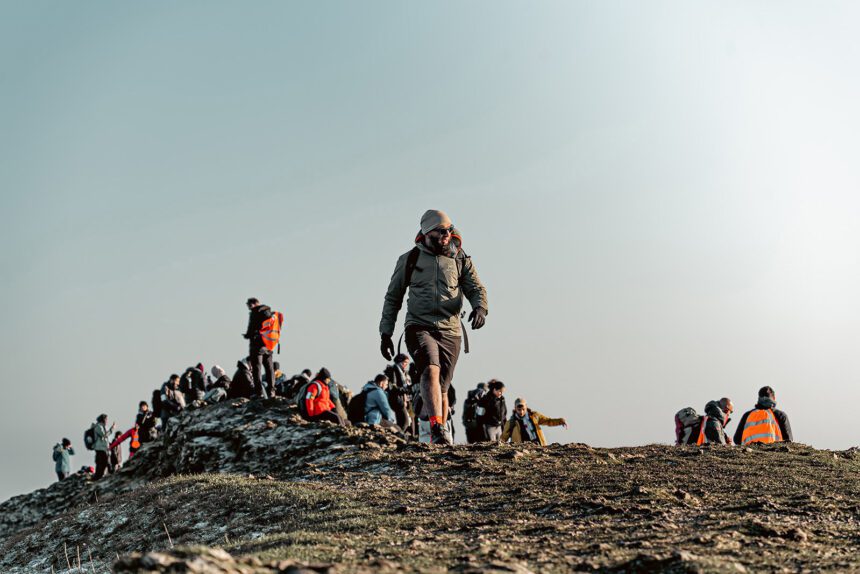
Haroon Mota founded Muslim Hikers to address the lack of representation in outdoor activities for Muslims. The group’s third annual Ben Nevis trek on Sunday, 23 August, offers an inclusive opportunity for individuals from diverse backgrounds to connect with nature and each other.
The Journey of Muslim Hikers
Over two decades ago, Haroon Mota first climbed Ben Nevis, the UK’s highest peak. Captivated by the outdoors, he noted the absence of people who looked like him on the trails. This observation sparked the creation of Muslim Hikers, an initiative aimed at fostering community among Muslims through outdoor adventures.
Since its inception as an Instagram page during the COVID-19 pandemic, the organization has evolved into a nationwide community, bringing together thousands of members for regular hiking events. The first trek to Ben Nevis took place in 2024, quickly growing into one of the group’s highlights, attracting participants from across the UK and beyond. Mota emphasizes that this is more than just a hike; it’s about building connections and changing perceptions about who belongs in nature.
Challenges and Accommodations in Outdoor Activities
While anyone can join, the Ben Nevis trek specifically aims to create an environment where Muslims feel comfortable. Organizers consider essential factors like prayer times, halal food options, and advice on modest clothing. These thoughtful details help to alleviate concerns for those who might feel out of place or worried about being judged.
Community and events coordinator Isma Ashraf highlights that many women have previously hesitated to hike due to uncertainties about attire or the availability of prayer spots. Ensuring a culturally sensitive environment directly addresses these barriers and fosters inclusivity.
Community Impact and Significance
The Ben Nevis trek is projected to attract around 150 participants, who can join independently for £45 or opt for various fundraising packages. The event is organized in partnership with Charity Right, an organization that provides meals for vulnerable children worldwide. For many participants, walking as part of a community makes the daunting challenge of climbing a mountain feel more celebratory.
People like Zara Sheikh, who will participate in her second Muslim Hikers event, highlight the shift in perception; formerly, many felt hiking was an activity closed off to them due to their backgrounds. Zohaib Hussain, returning for a third climb, also underscores the value of shared experience, viewing it as an opportunity for social interaction beyond just physical challenge.
Why It Matters
The rise of initiatives like Muslim Hikers signifies a broader societal shift towards inclusivity in outdoor activities. Addressing the cultural barriers that have historically excluded minorities from nature not only enriches the experience for participants but also helps to transform outdoor communities into more welcoming environments. The movement aligns with global trends towards diversity and representation, demonstrating that the outdoors can and should be accessible to everyone.
Frequently Asked Questions
What is Muslim Hikers?
Muslim Hikers is a community initiative founded by Haroon Mota that aims to bring Muslims together through hiking and outdoor activities, addressing underrepresentation in these spaces.
When is the next Ben Nevis trek?
The next Ben Nevis trek is scheduled for Sunday, 23 August.
How much does it cost to join the hike?
Participants can join independently for £45 or choose from a variety of fundraising packages.
What accommodations are provided for Muslim participants?
Organizers plan for prayer times, halal food options, and provide guidance on modest clothing to create a culturally sensitive environment for participants.