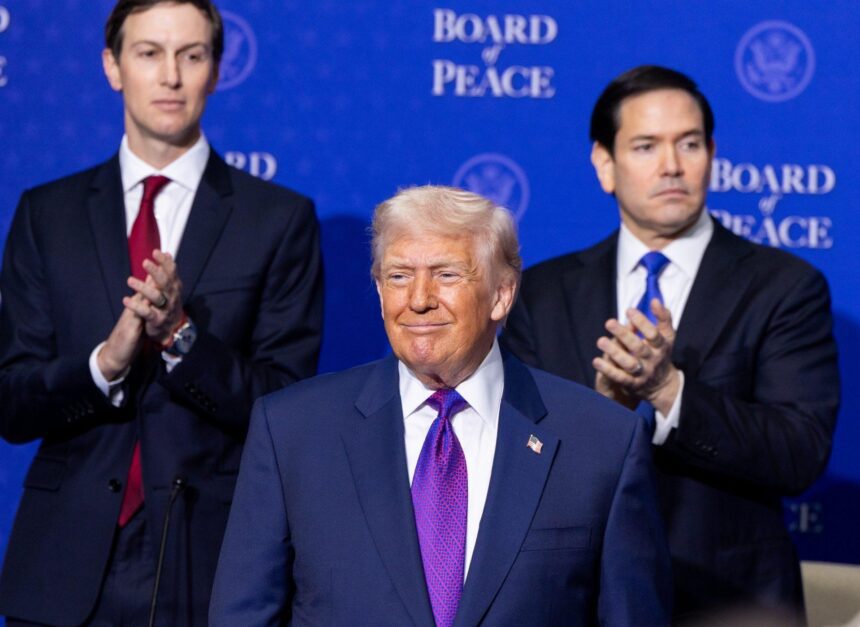

U.S.-Iran Diplomatic Tensions Highlight Fragile Relations
Amid heightened tensions between the United States and Iran, President Donald Trump announced potential discussions to take place in Doha, Qatar, on Tuesday. While Trump asserted that Iran had requested the meeting to address ongoing issues, Iranian officials have denied any formal negotiations, indicating a deepening mistrust overshadowing diplomatic dialogues.
Contradictory Statements from Both Sides
Trump made the announcement via a post on his Truth Social platform and later spoke to reporters at the White House, expressing cautious optimism about the impending meeting. He stated, “The meeting in Doha is going to be perhaps important, perhaps not. We’re going to find out,” emphasizing the U.S. commitment to preventing Iran from acquiring nuclear weapons.
In stark contrast, Iranian officials quickly rebutted Trump’s claims. Deputy Foreign Minister Kazem Gharibabadi clarified that there were no technical discussions scheduled for the week, although he highlighted ongoing communication with mediators. This contradiction has created a murky landscape regarding the nature and goals of the discussions, indicating the fragility of the diplomatic overtures.
U.S. Administration’s Position and Strategy
White House spokesperson Karoline Leavitt confirmed that two American envoys, Steve Witkoff and Jared Kushner, would attend the talks in Qatar, which she characterized as high-level discussions. Leavitt reiterated the administration’s commitment to upholding a ceasefire but cautioned that military action could still be on the table. She warned, “Violence will be met with violence,” suggesting a strong stance by the U.S. should tensions escalate further.
The situation is further complicated by recent military actions in the region, particularly following U.S. and Israeli operations that led to the closure of the Strait of Hormuz by Iran. This closure has intensified the ongoing debate about military presence and intervention, reflecting historical animosities between the two nations.
Context of Ongoing Tensions
The backdrop of these developments includes previous agreements, such as the Islamabad Memorandum, which aimed to facilitate technical discussions focused on de-escalation. However, conflicting narratives from Washington and Tehran regarding the Doha meeting point to a broader challenge in the pursuit of effective diplomatic relations. Historical grievances stemming from economic sanctions, military engagements, and subsequent retaliatory actions continue to raise skepticism on both sides regarding any meaningful agreements.
This hostile backdrop underscores how both nations are navigating a complex dynamic of diplomatic discourse while maintaining national interests that often clash. Particularly for Iran, a perceived lack of sincerity from U.S. administrators may fuel further skepticism about the talks.
Why It Matters
The fragile state of U.S.-Iran relations not only affects bilateral discussions but also has global implications for international peace and security. For the AI industry and developers, understanding such geopolitical dynamics is crucial, especially given how technological advancements can be impacted by regulatory decisions shaped by foreign policy. Additionally, the fluctuation of diplomatic relations can influence the global economy, affecting market stability, trade dynamics, and investment opportunities in technology sectors.
Frequently Asked Questions
What was announced about the U.S.-Iran meeting in Doha?
President Trump announced that U.S. and Iranian officials would meet in Doha, where discussions could focus on nuclear weapons, although Iranian officials denied any negotiations were scheduled.
What did Iranian officials say about the upcoming meetings?
Iran’s Deputy Foreign Minister and the Foreign Ministry spokesman confirmed that no official negotiations were planned, focusing instead on implementing existing agreements to end hostilities.
What is the U.S. government’s stance on military action regarding Iran?
White House spokesperson Karoline Leavitt indicated that while the U.S. aims to maintain a ceasefire, it will consider military force as a response to any acts of violence from Iran.
How have recent events affected U.S.-Iranian relations?
Recent military actions by the U.S. and Israel, including strikes leading to Iran’s closure of the Strait of Hormuz, have heightened tensions and fostered distrust, complicating diplomatic efforts.