
Summary
Renovation work at the historic Gouripur Jama Masjid, also known as Bankra mosque, located within Kolkata’s Netaji Subhas Chandra Bose International Airport, has led to a three-day suspension of namaz prayers. This decision has reignited discussions about the mosque’s presence in the airport’s high-security zone and the implications for local Muslims in the context of rising scrutiny and allegations of discrimination from political figures.
The Suspension: Reason and Context
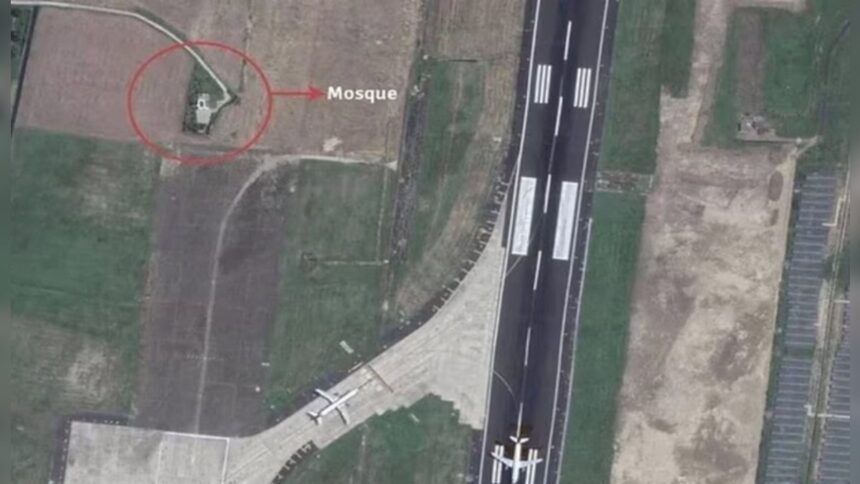
The 130-year-old Gouripur Jama Masjid is located just a few hundred meters from the secondary runway of Kolkata’s airport. As confirmed by airport officials, the mosque will remain closed for three days to facilitate necessary renovation work. This temporary closure, however, has raised concerns among local politicians and the Muslim community regarding access to worship and religious practices, particularly given the mosque’s long-standing history as a place of prayer.
The decision to suspend namaz has been characterized by political commentary, primarily from the Bharatiya Janata Party (BJP). Dum Dum Uttar MLA Sourav Sikdar has expressed serious concerns about the mosque’s operational impact on airport activities, arguing that its location complicates the security dynamics of a high-traffic and VVIP-inhabited area. Sikdar pointed out the lack of biometric passes or background checks required for mosque visitors, contrasting it with other airport entrants, a comment steeped in the ongoing discourse surrounding security and religion.
Political Reactions
Reactions to the mosque’s temporary closure have been polarized. Former Trinamool Congress (TMC) MLA and minister Siddiqullah Chowdhury has spoken out against the decision, emphasizing the mosque’s long-standing role in the community. Chowdhury condemned the suspension of namaz prayers and argued that discussions with authorities could yield more amicable solutions. His stance highlights a broader struggle faced by Muslim communities in India, where political narratives often lean towards exclusion rather than inclusivity.
This clash between political representatives underscores a growing tension in India regarding religion, social inclusion, and the treatment of minorities within established frameworks. Chowdhury’s call for dialogue stands in contrast to the BJP’s concerns, marking an ongoing struggle for the representation and rights of Muslims within the political landscape.
Societal Implications
The issues surrounding Gouripur Jama Masjid reflect broader themes of discrimination, social exclusion, and marginalization affecting Indian Muslims. The juxtaposition of a historical site against modern security protocols sheds light on the complexities of religious minority rights in high-security environments. The mosque’s location within such a sensitive area poses challenges that are unique to the evolving nature of urban spaces and governance in India.
As Muslims increasingly face scrutiny in various realms — from operational buffers like airport security to social acceptance — the debate surrounding this mosque highlights a significant intersection of faith, politics, and identity. This ongoing discussion raises essential questions about how governmental policies may inadvertently contribute to the alienation of religious communities.
Why It Matters
This situation captures key dynamics in the discourse surrounding minority rights in India, particularly in terms of maintaining religious practices in public spaces. The renovation of a historic mosque indicates that while cultural heritage is acknowledged, it remains vulnerable to contemporary socio-political pressures. Understanding these tensions helps illuminate the delicate balance required between security and the right to worship, essential in fostering social cohesion in a multicultural society.
Furthermore, the repercussions of such actions, whether intended or not, can reinforce existing divides within communities, affecting social structures and economic participation among marginalized groups. Highlighting these narratives is crucial as they contribute to a more informed perspective on the many layers of Indian society and the urgent need for inclusive governance.
Frequently Asked Questions
What is the Gouripur Jama Masjid?
The Gouripur Jama Masjid, also known as Bankra mosque, is a historic mosque located within the premises of Kolkata’s Netaji Subhas Chandra Bose International Airport, established over 130 years ago.
Why were prayers suspended at the mosque?
Namaz prayers were suspended for three days to facilitate renovation work at the mosque, as confirmed by airport officials.
What are the political implications of this event?
The suspension has reignited discussions about the mosque’s presence in a high-security area, leading to concerns voiced by BJP politicians regarding operational safety and security risks at the airport.
How does this reflect broader issues within Indian society?
This incident illustrates ongoing challenges faced by Indian Muslims, including themes of discrimination and social exclusion, emphasizing the need for a balanced approach to governance that accommodates the rights of religious minorities.