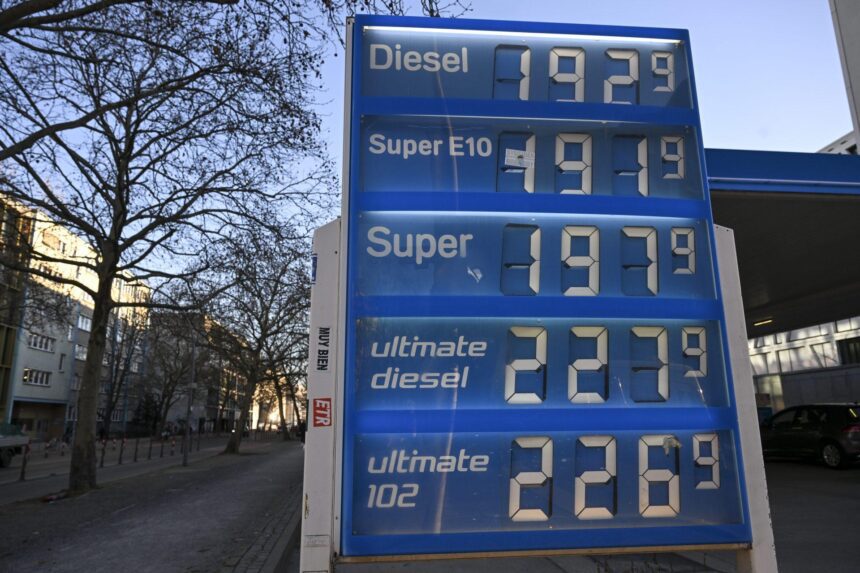

The ongoing conflict with Iran has had far-reaching consequences for American consumers, revealing a deeper connection between geopolitical tensions and domestic economic conditions. As gas prices soar amid the war, the stain on the administration’s credibility is increasingly apparent, pushing economic concerns to the forefront of political discourse.
The Rising Cost of Fuel
Regular gasoline prices soared to an average of $4.006 per gallon by August 10, according to the US Energy Information Administration. This increase has posed significant political challenges for leaders across party lines. The original forecast in January anticipated a 6% decrease in fuel prices throughout the year, yet the revised outlook predicts an annual average of $3.78—still notably higher than the $3.10 Americans paid in 2025.
Beyond the gas pump, the pressure on the budget can be felt in everyday transactions. While gasoline prices dipped slightly in July, they remained nearly 25% above prices from a year earlier. Overall energy costs climbed by almost 15% according to the Bureau of Labor Statistics, contributing to a troubling rise in headline inflation that increased from 2.4% to 3.4%.
The Broader Economic Impact
The cost implications of the war extend beyond fuel for drivers. As crude oil prices dictate the expenses across various sectors, the ripple effects reach freight, manufacturing, and even grocery prices. While some economists caution against attributing all inflation to the conflict, disruptions in global supply and tariffs only complicate an already intricate landscape.
Airlines illustrate this pressure point sharply, with airfares rising more than 25% compared to last summer as jet fuel prices surged. This demonstrates how the broader economic landscape is directly influenced by the volatility of oil prices, primarily driven by geopolitical events.
Shifting Political Priorities
The administration’s response to this economic strain has shifted from national security to household budgeting. In recent discussions, Vice President JD Vance emphasized the importance of affordable energy, framing it as a primary goal of U.S. policy regarding the conflict, overshadowing other concerns such as nuclear nonproliferation.
Polling data reveals the impact of inflation on public sentiment, with a Pew Research Center survey showing that by spring, 70% of Americans anticipated higher fuel bills—a worry that transcends partisan lines. An Ipsos poll from midsummer indicated significant opposition to strikes on Iran, with 58% against and just 37% in favor. Furthermore, Republicans showed a decline in public trust regarding cost of living issues, trailing behind Democrats by eight points.
Why It Matters
The implications of rising fuel prices amidst the Iran conflict serve as a critical reminder of how global affairs can dramatically shape domestic economics. For policymakers, understanding and addressing the concerns of voters regarding living costs is essential for maintaining public support. For consumers, rising prices can shift purchasing power and influence broader economic behavior. This situation underlines the importance of adaptable policy frameworks that can respond to rapid changes in the global landscape, emphasizing the need for economic resilience in times of geopolitical uncertainty.
Frequently Asked Questions
What is the average gasoline price currently in the U.S.?
As of August 10, the average price for regular gasoline in the U.S. is $4.006 per gallon.
How has the war in Iran affected domestic fuel prices?
The ongoing conflict has caused significant increases in fuel prices, contributing to broader economic inflation and affecting household budgets.
What impact does rising oil price have on other sectors?
Rising oil prices impact various sectors such as transportation, manufacturing, and agriculture, leading to higher costs for goods and services.
How has public sentiment shifted regarding the war with Iran?
Recent polls show a significant opposition to military strikes on Iran among Americans, highlighting concerns over rising costs and their impact on everyday life.