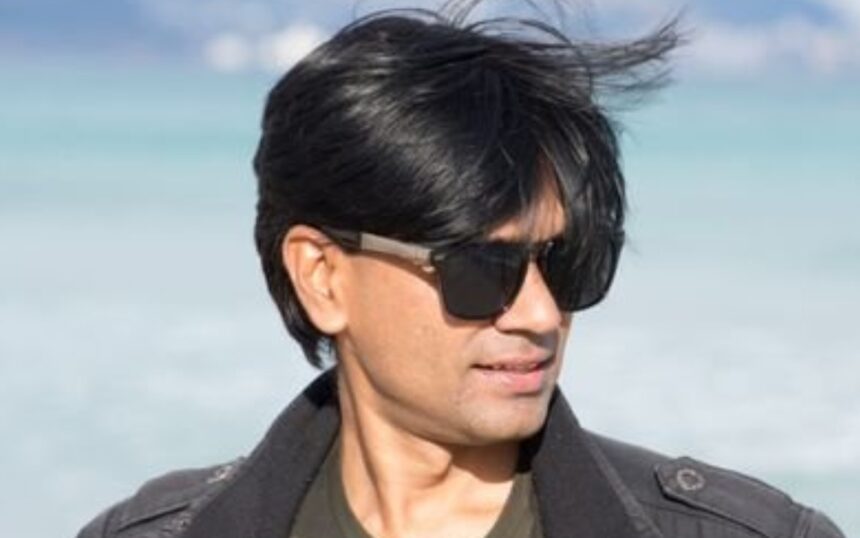

Mohammed Zubair’s Account Flagged by Delhi Police
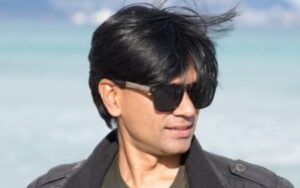
Fact-checker and journalist Mohammed Zubair has disclosed an email from social media platform X (formerly Twitter) that shows the Delhi Police has flagged his account, requesting either the removal of specific content or a suspension of his entire account.
Background on Mohammed Zubair
Zubair is the co-founder of Alt News, a reputable fact-checking platform known for countering misinformation on social media. He has gained a significant following, boasting 1.1 million followers on X. The flagged content reportedly violates India’s Information Technology Act, though the specifics have not been provided in the notification from X. This lack of clarity raises questions about whether the issue pertains to individual posts or his entire account.
In a tweet regarding the situation, Zubair stated, “They want X to take down my account as it violates India’s Information Technology Act.” His history with legal scrutiny is noteworthy. In 2022, Zubair was arrested by the Delhi Police over a tweet made in 2018 that contained a screenshot from a 1983 Hindi film, which authorities claimed “hurt religious sentiments.” He faced multiple cases during his incarceration until the Supreme Court ultimately granted him bail.
Government Surveillance and Media Censorship
The current incident raises parallels with past instances of government surveillance and censorship in India. Jack Dorsey, the former owner of Twitter, revealed in a 2023 interview that the Indian government had made repeated requests to remove content posted by journalists who were critical of it during the farmers’ protests. According to Dorsey, there were even threats of shutting down Twitter in India and raids on the homes of its employees.
Since Elon Musk’s acquisition of Twitter, X has been reported to comply more readily with government directives regarding censorship and surveillance, particularly in India. This trend is concerning for journalists and fact-checkers like Zubair, who play a vital role in maintaining transparency and accountability in governance.
Political Implications for India
The actions taken against Zubair highlight the increasing risks faced by journalists and social media users who challenge narratives pushed by those in power. As a prominent figure dedicated to combating misinformation, Zubair’s situation reflects a broader struggle for press freedom and the protection of dissenting voices in India. This clampdown on free expression could have chilling effects on journalism, leading to self-censorship among journalists wary of legal repercussions.
Why This Matters
For Indian readers, Zubair’s ongoing challenges symbolize a larger battle for media freedom and the protection of fundamental rights. The increasing compliance of platforms with government censorship threatens to undermine democratic institutions and stifle critical discourse. As fact-checking and independent journalism come under fire, the public’s right to information and accountability is jeopardized, fundamentally altering the landscape of political discourse in India.
Frequently Asked Questions
What was the reason for Delhi Police’s request to X?
The Delhi Police flagged Mohammed Zubair’s account for allegedly violating India’s Information Technology Act, although the specifics of the content in question were not disclosed.
Has Mohammed Zubair faced legal issues before?
Yes, in 2022, Zubair was arrested for a tweet dating back to 2018 that was claimed to have hurt religious sentiments. He faced multiple legal cases before being granted bail by the Supreme Court.
What implications does this situation have for journalists in India?
This incident signifies a worrying trend for journalism in India, where the government may seek to suppress dissent through legal avenues, potentially leading to self-censorship and a constricted media landscape.
How has the attitude of social media platforms changed under Elon Musk?
Since Elon Musk acquired Twitter, now X, reports suggest that the platform has become more compliant with government orders regarding censorship and surveillance, particularly in response to content critical of the government.