
Tata Motors Passenger Vehicles (TMPV) shares rose by over 5 percent following the company’s March quarter earnings, which demonstrated strong momentum in its India passenger vehicle segment, countering investor concerns regarding the underperformance of Jaguar Land Rover (JLR).
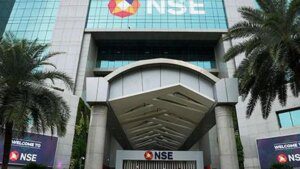
The stock closed up 5.25 percent at ₹356.55 on the NSE, having peaked at ₹366.95 from the previous close of ₹338.75.
The market response was driven by record domestic passenger vehicle sales, enhanced margins across various sectors, and management’s optimistic demand outlook for FY27, despite a significant drop in consolidated profit and ongoing uncertainties surrounding JLR’s global operations.
For Q4FY26, Tata Motors reported a 7.2 percent year-on-year increase in consolidated revenue, totaling ₹1.05 lakh crore, up from ₹98,355 crore a year earlier. However, consolidated net profit fell by 31.7 percent to ₹5,783 crore from ₹8,470 crore, missing analysts’ expectations as JLR struggled with lower sales volumes and pressures from tariffs.
The performance in the March quarter highlighted a growing disparity within the company. While JLR’s global luxury vehicle division faced challenges, the Indian passenger vehicle division achieved record quarterly sales and improved profitability, reinforcing its status as Tata Motors’ fastest-growing revenue generator.
Reactions from brokerages on the stock’s outlook varied following the results.
Macquarie maintained a neutral rating on Tata Motors Passenger Vehicles with a target price of ₹367, citing improved margins across different divisions and a favorable domestic growth outlook. The brokerage noted that the surprising margin improvements could bolster near-term stock performance, though risks around margins remain.
Jefferies kept an underperform rating and lowered its target price to ₹300 from ₹310. The brokerage acknowledged that EBITDA saw significant quarterly improvements and that JLR’s margins exceeded expectations, while the impacts of previous cyberattacks seemed to have been resolved. Nonetheless, Jefferies highlighted concerns about competitive pressures on JLR in China, increased discounting, and aging product lines. It pointed out that, although the Indian passenger vehicle sector is performing well, it may not fully compensate for JLR’s weaknesses.
Citi retained a sell rating and decreased its target price to ₹330 from ₹345. The brokerage reported that the Q4 results surpassed estimates and that domestic passenger vehicle demand remained robust, forecasting 10 percent year-on-year industry volume growth. However, Citi expressed caution regarding the sustainability of JLR’s margins and noted that hedging gains contributed to the EBITDA beat.
Elara Capital maintained a reduce rating, lowering its target price to ₹354 from ₹363. The brokerage emphasized the strong outlook for domestic demand and potential market share gains in FY27, while warning that high raw material costs could pressure margins. Additionally, it raised concerns about elevated vehicle market expenses (VME) at JLR amid weakening global demand and indicated that management commentary in June would be closely watched.
Published on May 15, 2026.