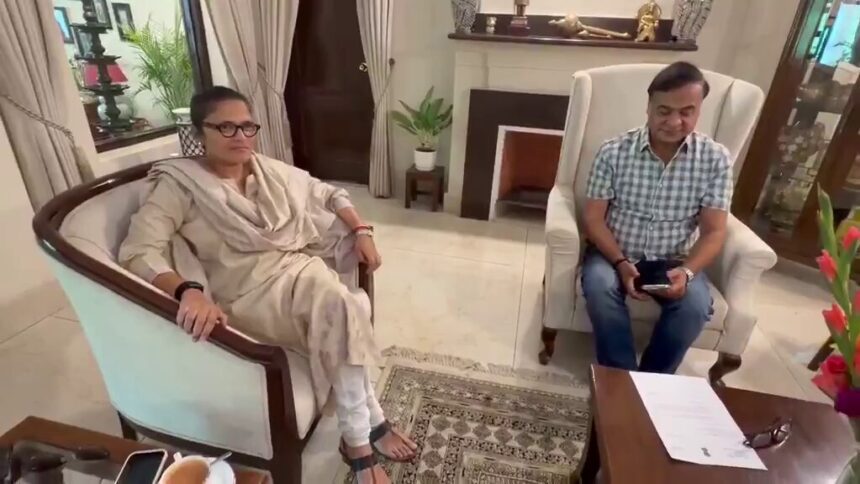

In a recent discussion, TMC MP Sushmita Dev raised concerns over the alleged NEET (National Eligibility cum Entrance Test) paper leaks, emphasizing the detrimental impact such incidents have on countless aspiring medical students. Dev’s resignation from the Rajya Sabha and subsequent meeting with Assam’s Chief Minister Himanta Biswa Sarma also captured public attention, shedding light on internal political dynamics.
Context of the NEET Paper Leak Concerns
The NEET is a critical examination for students aspiring to enter medical colleges in India. Over the years, there have been multiple allegations of paper leaks, which throw into question the integrity of the examination system. Dev’s statements come at a time when youth aspirations hang in the balance due to these complexities. Each leak not only undermines the credibility of the examination but also impacts the future of thousands of students who invest time and resources into preparation.
Sushmita Dev’s claims highlight broader systemic issues within the examination framework, calling for accountability from various stakeholders involved in organizing the test. Her emphasis on “collective responsibility” suggests that multiple entities—including education boards, government bodies, and law enforcement—must collaborate to uphold the sanctity of the examination process.
Sushmita Dev’s Political Landscape
Sushmita Dev, a member of the Trinamool Congress (TMC), has often been a vocal critic of prevailing issues affecting the youth, particularly in the context of education. Her recent resignation from the Rajya Sabha signifies a strategic shift in her political endeavors, possibly aimed at returning to grassroots politics in Assam.
By meeting Assam Chief Minister Himanta Biswa Sarma, she potentially signals an openness to dialogue, regardless of party lines. This move raises questions about her future political maneuvers and whether it could signify a broader coalition on crucial issues such as education.
This interaction may also reflect her commitment to addressing regional concerns, particularly in Assam, where educational institutions face unique challenges.
The Implications of NEET Scandals
Educational policy and examination integrity have crucial implications on societal trust in government institutions. Sushmita Dev’s remarks underscore a pressing need for reforms in how educational assessments are conducted. Given the competitive nature of NEET, leaks or scandals can result in unprecedented anxiety and frustration among students and their families.
Moreover, issues of corruption must be addressed to restore faith in the system. It’s vital for the government to implement stricter protocols around the administration of exams, potentially using technology to secure papers better and monitor exam centers more effectively.
As Dev points out, failing to address these issues leads to a loss not only of lives focused on these careers but also of faith in public institutions. As echoed by her statement, “Future of lacs of youth destroyed again and again,” it becomes essential for officials to prioritize reforms.
Why This Matters
The implications of such political discourse and educational integrity issues are far-reaching for Indian society. With millions relying on NEET for their medical aspirations, allegations of corruption can unsettle public trust in governance and the educational system. As young people represent the future of the country, their disillusionment could have longer-term socio-political consequences.
Political leaders acknowledging these matters open avenues for necessary dialogue and legislative reform. As Sushmita Dev engages in these discussions, it reflects an emerging awareness among political actors about the importance of addressing youth-centric issues.
A cohesive approach involving different stakeholders may help reinstate faith in examinations, improving not only individual outcomes but also the overall educational landscape in India.
Frequently Asked Questions
What are the NEET paper leak allegations about?
NEET paper leak allegations refer to claims that portions of the examination paper have been leaked prior to or during the exam, leading to unfair advantages.
Why did Sushmita Dev resign from the Rajya Sabha?
Sushmita Dev’s resignation appears to be a strategic move that may signal her intention to engage more actively in grassroots efforts or regional politics.
Who is Himanta Biswa Sarma?
Himanta Biswa Sarma is the Chief Minister of Assam and a prominent leader in the Bharatiya Janata Party (BJP), known for his influence in state politics.
What does “collective responsibility” mean in this context?
“Collective responsibility” suggests that multiple stakeholders, including government entities and educational institutions, must work together to address and rectify the flaws in the NEET examination system to ensure fairness and integrity.