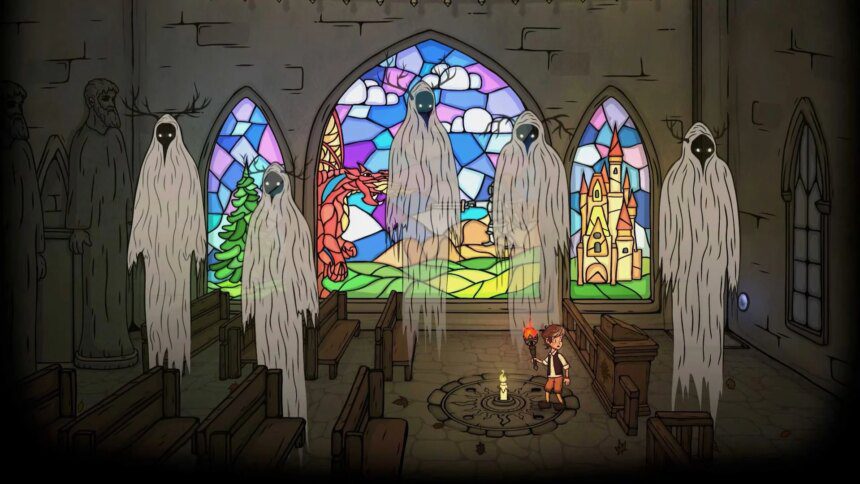

Three games, namely Creepy Tale, Creepy Tale 2, and Strike Force Kitty, have recently been hard delisted from the Xbox Store due to a dispute between the developer and publisher. The controversy stems from allegations of unpaid royalties, highlighting a worrying trend in digital gaming and the complex relationships between developers and publishers.
Understanding Hard Delisting
Hard delisting refers to the permanent removal of games from digital storefronts, making them inaccessible for download, even for existing owners. This is a stark contrast to standard delisting, where purchased games often remain available for re-download. The recent hard delisting of the aforementioned titles is notable due to the ongoing controversy surrounding their publisher, No Gravity Games.
According to the game developers, Creepy Brothers, this drastic measure was taken because the publisher allegedly violated their contractual agreement and failed to pay royalties for several years. Such disputes aren’t entirely uncommon in the gaming industry; however, the hard delisting of these titles raises intriguing questions about the extent of influence that such disputes can have on players’ access to games.
The Broader Impact on Gamers
The implications of hard delisting extend beyond the affected titles. Gamers may find their digital libraries vulnerable if significant disputes arise between developers and publishers. With the gaming industry increasingly moving towards digital distribution, issues like this could destabilize player confidence.
While gamers can often install titles they’ve previously purchased, this isn’t guaranteed for hard-delisted games. In the case of these three titles, players have shared their frustrations online, with many expressing their disappointment at losing access to collections they have invested in.
Furthermore, as the situation evolves, the discussion surrounding digital ownership in gaming continues to grow, spotlighting the need for clearer policies and consumer rights in the digital age. The debate is expected to increase, particularly if additional titles face similar fates in the future.
Speculation and Future Outlook
Speculation suggests that Xbox complied with legal demands stemming from the developer-publisher dispute, which thus necessitated the hard delisting. This legal context could set a precedent for how digital storefronts handle similar cases moving forward.
The developers hope to return these titles to platforms once a new publisher is established. However, navigating such disputes is often complicated and slow. The ongoing dialogue emphasizes the precarious nature of digital content and the vulnerability faced by both developers and users alike.
Why This Is Trending
Indians are increasingly tuning into this story due to the rising popularity of digital gaming and the growing concerns over digital ownership. As more gamers in India venture into digital purchases, they are keenly aware of the risks associated with platform policies and the realities of delisting. The discussion resonates with a generation that prefers digital downloads to physical copies, reflecting a broader conversation about consumer rights in the digital era.
Frequently Asked Questions
What does hard delisting mean for gamers?
Hard delisting means that a game can no longer be accessed or downloaded from the platform, even by those who previously purchased it. This creates uncertainty for gamers who invest in digital libraries.
Will the games return to the stores?
While the developers hope to resolve the issues with a new publisher, there is no guarantee that the games will return to digital stores. The resolution of the dispute will influence their availability.
Can I still play hard-delisted games?
In some cases, players may still access hard-delisted games if they have previously installed them. However, specific conditions apply, and this may not always be possible.
Why are developer-publisher disputes happening?
Disputes often arise due to disagreements over contracts, unpaid royalties, and other financial obligations. As the gaming industry grows, such conflicts have become more apparent.