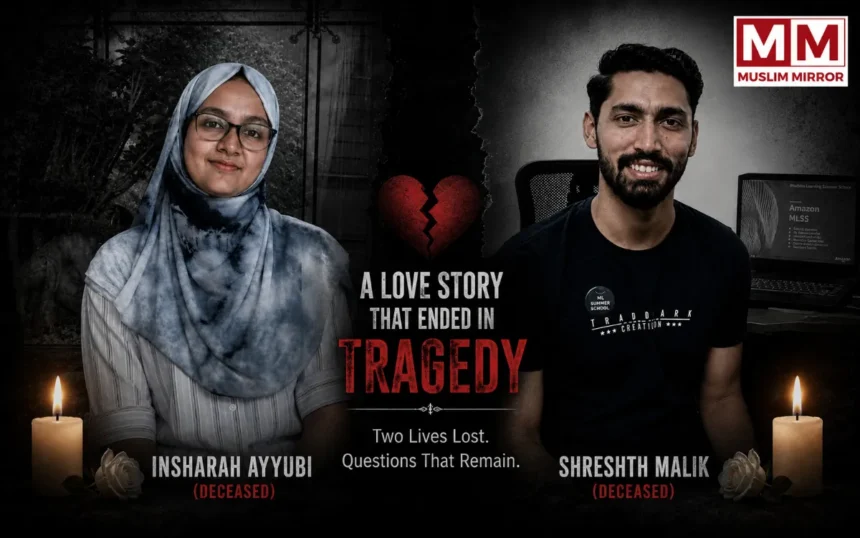

The tragic deaths of two young engineers, Insharah Ayyubi and Shreshth Malik, have ignited discussions about social dynamics and the implications of modern relationships in contemporary India. Both men were employed at Optum Global Solutions in Gurugram and had a shared educational background at Jamia Millia Islamia. The incident highlights broader societal issues, including the pressures faced by youth living away from home, and has unfortunately led to a renewed examination of inter-community relations.
Context of the Incident
Insharah Ayyubi of Sitapur and Shreshth Malik of Bhilai were found dead in what police reports suggest was the outcome of an alleged altercation, wherein Shreshth reportedly stabbed Insharah before taking his own life. This shocking event comes at a time when young professionals are increasingly navigating complex living arrangements and personal relationships away from the familial support systems they typically rely on. The ongoing police investigation aims to establish a chronological account of the events leading up to this tragedy.
Societal Implications and Community Reactions
The incident has reverberated within the Muslim community, reigniting discussions around contemporary lifestyles—especially live-in relationships—and their compatibility with Islamic values. Many view this tragedy not solely as a crime but as a stark reminder of the necessity for moral guidance and active family involvement in the lives of young adults. Such incidents showcase a growing concern about the emotional and ethical challenges faced by youth who often find themselves distanced from their family and cultural support systems.
Political Narratives and Community Dynamics
This tragic event arrives against the politically charged backdrop of “love jihad,” a term frequently invoked by Hindu nationalist organizations and certain BJP leaders to underline perceived threats posed by inter-community marriages. While proponents of this narrative may see issues like violence in relationships as reflective of Muslim communities, critics argue that such polarization oversimplifies a complex issue. They maintain that relationship violence transcends religious boundaries and is symptomatic of broader social strains. The media portrayal risks escalating communal tensions unless approached with sensitivity and nuance.
Why It Matters
This incident underscores the urgent need for a comprehensive dialogue about interpersonal relationships among young adults, particularly in urban landscapes where traditional familial structures may not be as robust. As organizations and leaders weigh in, it becomes critical for educational institutions and families to provide emotional and moral support. The health of communities depends on fostering environments that encourage open communication regarding relationships, responsible behavior, and mental well-being.
Frequently Asked Questions
What were the circumstances of Insharah Ayyubi and Shreshth Malik’s deaths?
Both engineers were found dead in a Gurgaon apartment. Initial police reports suggest Shreshth Malik stabbed Insharah Ayyubi amid an alleged dispute before taking his own life.
How have communities reacted to this incident?
The tragedy has sparked conversations within the Muslim community about live-in relationships and their alignment with Islamic values, emphasizing the need for guidance and support for young adults living independently.
What role does political discourse play in this case?
The incident has been contextualized within broader narratives such as “love jihad,” with various groups interpreting the occurrence through political lenses, potentially exacerbating communal tensions.
Why is this incident significant for Indian society?
This event serves as a critical reminder of the challenges faced by young professionals and the importance of community support systems in ensuring emotional and mental well-being, particularly in a rapidly changing social landscape.